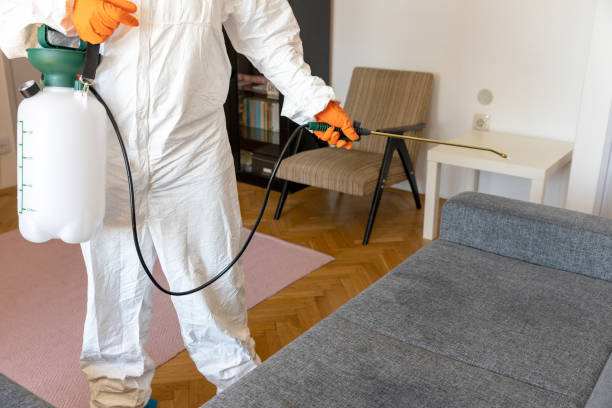
Household pests can disrupt daily life, damage your property, and pose health risks. Identifying these unwelcome guests early is crucial to preventing infestations and maintaining a clean, safe home. Here is a comprehensive guide to help you identify and eliminate common household pests effectively.
Common Household Pests and How to Identify Them
- Appearance: Small insects varying in size (typically 1/16 to 1/2 inch), with a narrow waist and elbowed antennae.
- Signs: Trails of ants near food sources, small piles of dirt (ant nests), or visible colonies around foundation walls.
- Appearance: Flat, oval bodies with long antennae; colors range from brown to black.
- Signs: Droppings resembling coffee grounds or black pepper, unpleasant odors, or shed skins near hidden areas like cabinets or under sinks.
- Appearance: Soft-bodied insects with straight antennae; often mistaken for ants but more robust in build. They may appear pale or white in color.
- Signs: Hollow-sounding wood, mud tubes on walls or foundations, discarded wings near window sills.
- Appearance: Small (under 5 mm), flat-bodied insects that are reddish-brown in color.
- Signs: Rust-colored stains on bedding from crushed bugs, red bites on exposed skin while sleeping, small dark droppings along mattress seams.
- Appearance: Silvery-gray body with a fish-like shape and small bristle tails at the back.
- Signs: Holes in paper products like books or wallpaper; their presence often indicates excess moisture indoors.
Effective Measures for Eliminating Common Pests
Once identified, taking prompt action is critical to curbing pest populations before they spread throughout your home.
- Seal cracks and entry points using caulk or weatherstripping.
- Clean up food spills immediately and store items in airtight containers.
- Use bait traps containing slow-acting insecticides near ant trails.
- Maintain cleanliness by regularly disposing of garbage and vacuuming crumbs.
- Fix any water leaks since cockroaches thrive in moist environments.
- Apply gel baits under sinks or behind appliances where roaches hide.
- For Termites:
| Preventive Measures | Treatment Options | |————————————–|————————————–| | Remove wood debris from around your home.| Use liquid termiticides for soil treatment.| | Ensure proper ventilation in crawl spaces.| Install baiting systems near affected areas.|- Wash infested bedding and linens at high temperatures (over 120°F).
- Vacuum mattresses thoroughly and use protective bed covers to trap bugs inside.
- Consider professional heat treatments for severe infestations.
Best Practices for Preventing Infestations
- Regularly inspect windowsills, door frames, attics, basements, and crawlspaces for signs of pest activity.
- Eliminate standing water sources indoors and outdoors to deter mosquitoes.
- Store firewood away from exterior walls as it can attract termites and other pests like ants.
- Reduce clutter that provides hiding spaces such as cardboard boxes or piles of newspapers.
By practicing vigilant inspection habits combined with targeted elimination strategies tailored to each pest type listed above—homeowners can maintain a hygienic environment free from harmful invaders year-round without resorting solely upon pesticides alone if non-toxic methods suffice early enough toward early stages management efforts prevention overall improvement living standards conditions safely longer-term dividends clarity purpose controlling measures proactively ensuring peace mind security stability assuredly remain ordered calm living spaces families thrive together sustained cleaner smarter ways approaches balance harmony attainable logical paths tasks cleanup manageable scales effort reduced future risks stress burdens alike tackled head-on rational solutions planned progress buildup easily grasp handled simple terms straightforward actionable steps clean healthy results everyone benefits practical manner addressing real concerns.Requires rewrite…
Effective Deltona Pest Control Solutions for Ants, Cockroaches, and Termites
Managing infestations caused by ants, cockroaches, and termites requires a proactive and strategic approach. Each pest presents unique challenges to homeowners and businesses due to their distinct behaviors, habitats, and reproductive cycles. Below is a detailed guide on identifying these pests and implementing comprehensive solutions for their elimination.
Effective Pest Removal in Deltona, FL: Identifying Ants, Cockroaches, and Termites
The first step in pest control is accurate identification. Recognizing the differences among ants, cockroaches, and termites will help you choose the most effective treatment methods.
| Pest | Key Characteristics | Common Locations |
| Ants | Small body segments (head-thorax-abdomen), elbowed antennae | Kitchens, pantries, near food crumbs |
| Cockroaches | Flat oval body shape, long antennae; reddish-brown or black in color | Bathrooms, basements, dark spaces |
| Termites | Soft-bodied insects with straight antennae; similar to ants but lack segmented waists | Wooden structures or furniture |
1. Ant Control
Ant infestations are one of the most common household issues. To eliminate them:
– Sanitation: Regularly clean surfaces to remove food crumbs or spills that attract ants. Store food in sealed containers.
– Natural Remedies: Use a solution of vinegar and water near entry points like windows or door frames.
– Baiting Systems: Place ant baits where trails are observed. These contain slow-acting toxins that worker ants carry back to their colony. – Sealing Entry Points: Inspect your home for cracks around windows and doors. Use caulk or weather stripping to block access.
2. Cockroach Control
Cockroaches are resilient pests that thrive in moist environments with access to food waste. Here’s how to manage them effectively: – Eliminate Moisture Sources: Fix leaky pipes or faucets immediately as cockroaches need water for survival. – Use Gel Baits: Apply gel baits under sinks or behind appliances where cockroach activity is highest. – Insect Growth Regulators (IGRs): These chemicals disrupt the cockroach lifecycle by preventing nymphs from maturing into adults. – Deep Cleaning Practices: Vacuum hard-to-reach areas like baseboards or underneath furniture regularly.
3. Termite Management
Termites can cause extensive structural damage if left untreated. Effective termite control includes both preventative steps and active treatments: – Routine Inspections: Check wooden structures for signs of mud tubes or hollow-sounding wood regularly. – Chemical Barriers: Professional termite treatments often involve soil-applied termiticides that act as barriers against infestations. – Bait Stations: Deploy bait traps around your home’s perimeter to attract termites away from structures while delivering slow-releasing toxins. – Moisture Management: Reduce moisture levels in crawl spaces or basements by improving ventilation and using dehumidifiers.
Preventative Measures
- Keep your kitchen free of food debris by wiping counters immediately after meals.
- Seal cracks in walls or foundations using silicone caulk to eliminate entry points.
- Store firewood at least 20 feet away from your home’s exterior wall to minimize termite risks.
- Regularly dispose of garbage using tightly sealed bins.
- Trim bushes or shrubs near windows as they may serve as bridges for ants or other pests.
By taking these preventative actions combined with targeted pest control methods tailored specifically for ants, cockroaches, and termites, you can reduce the likelihood of recurring infestations significantly while safeguarding your property from future damage effectively.
How to Safeguard Your Home from Bed Bugs, Mosquitoes, and Spiders
Protecting your home from bed bugs, mosquitoes, and spiders requires a combination of prevention techniques, routine maintenance, and strategic pest management approaches. These pests not only cause discomfort but can also pose health risks if left unchecked. This guide outlines effective methods to safeguard your home against these common intruders.
Bed Bugs: Prevention and Control
Bed bugs are resilient pests that spread easily and are notoriously difficult to eliminate once they infest a home. Preventative measures are key in keeping them at bay.
Tips for Preventing Bed Bugs:
– Inspect Secondhand Furniture: Before bringing used furniture or mattresses into your home, thoroughly inspect them for signs of bed bugs, such as reddish-brown stains or live insects. – Use Protective Covers: Encase mattresses and box springs in durable, bed-bug-proof covers to limit hiding spots. – Minimize Clutter: Reduce clutter around beds and furniture where bed bugs can hide. – Wash Bedding Frequently: Launder sheets, pillowcases, and blankets in hot water (above 120°F) to kill any potential insects or eggs.
In case of an infestation:
1. Vacuum affected areas daily – focus on cracks and crevices around the bed frame. 2. Use steam cleaning on furniture upholstery as heat effectively kills both adult bugs and their eggs. 3. Consider hiring professional pest control services for severe infestations.
Mosquitoes: Prevention Strategies
Mosquitoes are not just annoying—they are known carriers of diseases such as West Nile Virus, Zika Virus, and malaria. Controlling mosquitoes begins with eliminating breeding grounds around your home.
Steps to Minimize Mosquito Breeding Sites:
– Remove standing water from buckets, tires, pet bowls, flower pots, or tarps after rain. – Clean gutters regularly to ensure proper drainage. – Keep swimming pools treated with appropriate chemicals when not in use.
For day-to-day protection:
| Method | Description |
|—————-|———————————————–|
| Install Screens | Add fine-mesh screens on windows/doors to block entry. |
| Use Insect Repellent | Apply EPA-certified repellents containing DEET or picaridin when outdoors. |
| Plant Natural Deterrents | Incorporate plants like citronella grass, marigold, or lavender around outdoor spaces.|
Spiders: Minimizing Their Presence Indoors
Although most spiders are harmless and even beneficial by eating other insects, their webs can be unsightly indoors. Certain species may also bite if provoked.
Preventive Measures Against Spiders:
– Seal Cracks and Gaps: Use caulk or weather stripping to close entry points along walls/windowsills. – Reduce Indoor Lighting at Night: Bright lights attract insects that serve as food sources for spiders; consider using yellow bug lights outside instead. – Keep Indoor Spaces Clean: Regularly vacuum corners behind furniture where spiders often spin webs.
Natural Spider Repellents:
Several essential oils repel spiders while being safe for use indoors: – Peppermint Oil Spray: Mix 10 drops of peppermint essential oil with water; spray window frames/sills weekly. – Vinegar Solution: A 1:1 mix of vinegar and water is another effective deterrent.
By implementing these strategies consistently throughout the year—alongside regular inspections—you can significantly reduce the likelihood of infestations by bed bugs, mosquitoes, or spiders in your home while maintaining a comfortable living environment free from unwelcome pests.

The Hidden Dangers of Silverfish and How to Prevent an Infestation
Silverfish are one of the most elusive household pests, often going unnoticed until they cause damage. These small, wingless insects are named for their silvery-gray appearance and fish-like movements. While they do not pose direct health risks to humans, silverfish can cause significant damage to personal belongings, contaminate food sources, and even worsen allergies for sensitive individuals. Understanding their behavior and implementing preventive measures is crucial in keeping your home safe.
Why Silverfish Are a Problem
- Silverfish feed on starchy materials such as paper, glue, books, and wallpaper.
- They may destroy important documents or family heirlooms like photographs over time.
- They are attracted to food items high in carbohydrates like flour, cereals, and sugar.
- Once silverfish infest a pantry or kitchen storage area, they can contaminate food with their droppings and shed skin.
- Their scales and feces are known to accumulate over time, potentially triggering allergies or respiratory issues in sensitive individuals.
Common Signs of a Silverfish Infestation
- Sightings: Spotting live silverfish around sinks, bathtubs, or dark corners.
- Damage: Noticing irregular holes in paper products (books, wallpaper) or chewed-on clothing.
- Droppings: Small black pepper-like droppings near infested areas.
- Shedding: Finding scales or skin left behind by molting insects.
Effective Prevention Strategies for Silverfish
- Silverfish thrive in humid environments (above 75% humidity). Use dehumidifiers and ensure proper ventilation in damp areas like basements and bathrooms.
- Fix leaking pipes or faucets that create moisture-prone conditions.
- Store dry foods like cereals and flour in airtight containers made of metal or glass.
- Keep bookshelves clean and avoid leaving stacks of papers unattended for long periods.
- Inspect your home’s foundation and walls for cracks or gaps that serve as entry points.
- Install weather stripping around windows and doors to limit access.
- Reduce clutter that provides hiding spots for silverfish by organizing storage spaces neatly.
- Avoid keeping piles of old newspapers or magazines lying around for extended periods.
- Diatomaceous earth is an effective non-toxic option that disrupts the exoskeletons of silverfish on contact.
- Cedar oil or lavender-scented sachets can repel these pests from closets and drawers without harmful chemicals.
| Area | Preventive Measure | Tools Needed |
| Kitchen | Store food securely | Airtight containers |
| Bathroom | Address moisture buildup | Dehumidifier; proper ventilation |
| Closets | Organize clothes & add repellents | Cedar oil; sachets |
When Professional Help Is Needed
- Consult professional pest control services experienced with handling silverfish infestations effectively.
- Treatments may include targeted insecticide applications that address problem areas while minimizing exposure risks inside your home.
By addressing environmental factors that attract these pests—such as excess moisture—and adopting targeted prevention methods tailored to their habits, homeowners can avoid substantial damage caused by lingering silverfish populations over time.
Understanding the Behavior of Common Household Pests and Effective Control Methods
Understanding the behavior of common household pests is essential for implementing effective control methods. By learning how pests operate, what attracts them, and their survival strategies, homeowners can take proactive steps to minimize infestations and protect their property. Below is an overview of some common household pests, their behaviors, and actionable control strategies.
Common Household Pests and Their Behaviors
- Behavior: Ants are social insects that work collectively in colonies. They are attracted to food sources, particularly sweet or greasy substances.
- Seal any cracks and crevices around windows, doors, or walls.
- Keep kitchen surfaces clean and free from crumbs or spills.
- Use ant baits near entry points to disrupt the colony.
- Behavior: Cockroaches are nocturnal scavengers that thrive in warm, humid environments with easy access to food and water.
- Store food in airtight containers.
- Fix leaky pipes or faucets to eliminate water sources.
- Use gel baits or traps in areas where cockroaches are spotted.
- Behavior: Termites feed on cellulose materials like wood, paper, and cardboard. They build mud tubes to travel undetected between their colony and food source.
- Inspect wooden structures regularly for signs of damage (e.g., hollow-sounding wood).
- Eliminate moisture around your home’s foundation by ensuring proper drainage systems.
- Consider applying termiticide as a preventive barrier.
- Behavior: Silverfish prefer dark, damp spaces such as basements or attics where they feed on starchy materials like books, wallpaper glue, or fabric.
- Control Tips:
- Dehumidify areas with high humidity using a dehumidifier or ventilation system.
- Store items like books or clothing in sealed plastic bins rather than cardboard boxes.
Effective Pest Control Methods
- Prevention Strategies:
Prevention is the first line of defense against pest invasions:
| Action | Details | |——————————-|————————————————————| | Seal Entry Points | Use caulk or weatherstripping around doors/windows | | Maintain Cleanliness | Regularly sweep floors; dispose of garbage promptly | | Manage Outdoor Landscapes | Trim vegetation away from your home | - Chemical Treatments:
For persistent infestations: - Apply insecticides that target specific pests (read labels carefully).
- Use bait stations for pests like ants or cockroaches that return food to their colonies/nests.
- Non-Chemical Options:
These environmentally friendly solutions can also mitigate pest activity:- Sticky traps for crawling insects.
- Diatomaceous earth sprinkled along floorboards to deter silverfish/cockroaches.
Regular Monitoring for Long-Term Success
- Inspect high-risk areas (e.g., beneath sinks) every few months for droppings/shed skins.
- Look out for structural vulnerabilities such as rotting wood near foundations.
- Engage professional pest control services annually if facing recurring issues.
Taking these steps ensures not only the elimination of existing pests but also long-term protection against potential infestations in your home.
Expert Tips from an Exterminator Deltona FL for Keeping Pests Out of Your Home
Keeping furry or feathery intruders such as rodents and birds out of your home is crucial to maintaining a safe, clean, and pest-free environment. These pests can cause property damage, spread diseases, and create unsanitary conditions. Implementing preventive measures can help ensure that these nuisances stay outside where they belong.
Common Furry and Feathery Pests
- Mice
- Rats
- Squirrels (occasionally invading attics)
- Pigeons
- Sparrows
- Starlings
Why Are These Pests a Problem?
Furry and feathery pests can create significant issues for homeowners:
– Health Risks: Rodents carry diseases like hantavirus and leptospirosis. Birds are often associated with respiratory issues caused by their droppings.
– Property Damage: Rats or mice chew through wires, wood, insulation, and even water pipes. Birds’ nests can clog vents and gutters or block chimneys.
– Contamination: Food stored in kitchens or pantries is at risk when rodents gain access. Bird droppings can corrode metal surfaces over time.
Preventive Strategies to Keep Them Out
1. Seal Entry Points
- Inspect your home for any gaps or cracks in walls, roofs, window frames, and doors.
- Use steel wool or caulk to seal small holes (rodents cannot chew through steel).
- For larger gaps such as those around vents or chimneys, install metal mesh screens.
2. Eliminate Food Sources
- Store food in airtight containers made of metal or heavy plastic.
- Clean up spills promptly from countertops and floors.
- Avoid leaving pet food out overnight.
3. Manage Outdoor Areas
- Trim overhanging branches near your roofline as they provide easy access points for birds and squirrels.
- Keep trash cans tightly sealed to prevent scavenging by rodents.
- Regularly clean gutters as debris may attract nesting birds.
4. Install Barriers
- Add bird spikes on ledges to discourage roosting.
- Use door sweeps under exterior doors to block small rodent entryways.
- Fit attic vents with durable hardware cloth to prevent animals from nesting inside.
5. Use Repellents (Ethical Options)
Natural deterrents such as peppermint oil sprays work well against rodents due to their sensitive sense of smell. For birds, visual deterrents like reflective tape or decoy predators may be effective.
When Should You Call a Professional?
| Pest Type | Signs You Need Professional Help |
| Rodents | Persistent chewing noises at night; gnaw marks on furniture; droppings in hidden spaces |
| Birds | Large accumulation of droppings near windowsills; nests blocking vents; constant bird activity |
A licensed pest control expert can assess the situation thoroughly and apply safe solutions tailored to your specific problem.
By understanding the risks posed by furry or feathery pests and adopting practical prevention methods, you can protect both your property and family from potential harm while maintaining a healthier living environment.
Top Warning Signs of a Pest Infestation and When to Take Action
Pests can be more than just a nuisance—they often pose risks to your home, health, and safety. Identifying the early warning signs of an infestation is crucial for preventing extensive damage and safeguarding your living space. Here’s how you can recognize these warning signs and determine when it’s time to take action.
Common Warning Signs of a Pest Infestation
- Rodents leave behind small, dark droppings resembling grains of rice.
- Cockroach droppings look like ground pepper or coffee grounds.
- Larger pests, such as bats or squirrels, leave larger fecal matter that emits strong odors.
- Scratching noises in walls or ceilings may indicate rodents or raccoons are present.
- Chirping from birds nesting in attics or vents might signal an issue with feathered intruders.
- Buzzing sounds could point to bees, wasps, or even mosquitoes hiding nearby.
- Gnawed furniture, wires, or food packaging suggests the presence of rodents like mice or rats.
- Termite damage appears as hollow wood structures, sawdust-like material (frass), or mud tubes near foundations.
- Chewed holes in fabrics could indicate moths or carpet beetles are active.
- A musty odor may suggest mold caused by pests like termites that increase moisture levels inside walls.
- A strong ammonia-like smell often accompanies rodent infestations.
- Sweet but foul scents can sometimes signal cockroach activity.
- Sighting Live Pests
Spotting insects such as ants crawling across countertops or roaches scurrying when lights are turned on is one of the most obvious indications of a problem. - Nests and Webs
Spiders create webs in corners and undisturbed areas; larger buildups could mean an infestation. Rodents often craft nests out of shredded paper, insulation materials, or other debris hidden in concealed areas.
When Should You Take Action?
| Pest Type | When Professional Help is Needed |
| Termites | Presence of mud tunnels on walls/foundations; hollow wood sounds |
| Rodents | Recurring sightings despite traps; chewed wiring posing fire risks |
| Bed Bugs | Persistent bites at night; visible clusters around mattress seams |
| Cockroaches | Seeing more than just one during daylight hours |
| Mosquitoes | Increased prevalence indoors; standing water sources nearby |
Tips for Preventing Infestations
- Seal Entry Points: Repair cracks in walls, gaps around windows/doors, and fix damaged mesh screens.
- Maintain Cleanliness: Eliminate food crumbs promptly and store pantry items in airtight containers.
- Address Moisture Issues: Fix leaky pipes/faucets and ensure proper ventilation to avoid damp conditions attracting termites/silverfish.
- Declutter Regularly: Piles of clutter provide hiding spots for pests—dispose of unnecessary items regularly.
- Monitor Outdoor Spaces: Keep vegetation trimmed back from your home’s foundation to prevent easy access for pests.
By staying vigilant about these warning signs and knowing when to seek professional services, homeowners can effectively manage pest concerns before they escalate into major infestations with costly consequences.
Top Warning Signs of a Pest Infestation and When to Take Action
Identifying the early warning signs of a pest infestation is crucial for maintaining a healthy and safe home environment. Pests, whether they are rodents, insects, or other invaders, can cause structural damage to your property, spread diseases, and create discomfort. Below are common indicators that you may have an infestation and actionable steps to address the issue promptly.
Common Signs of Pest Infestation
- Scratching or scurrying sounds in walls, ceilings, or floors may indicate rodents such as mice or rats.
- Buzzing sounds can be a sign of flying insects like wasps or bees nesting nearby.
- Rodents leave small pellet-like droppings in dark corners or near food sources.
- Larger pests such as cockroaches also leave visible fecal matter resembling black pepper flakes.
- Chewed wires, furniture edges, or shredded paper are signs of rodent activity.
- Holes in clothing or curtains may point towards moths or other fabric pests.
- Grease Marks and Smudges
Rodents tend to leave greasy marks along walls where their bodies rub while traveling habitual pathways. - Dead Insects or Shed Exoskeletons
Discarded wings from termites or shed skins from bed bugs could indicate active infestations nearby. - A foul smell might indicate decaying pests within walls.
- Musty odors could be linked to bed bugs due to the pheromones they release.
- Nests or Burrows
Rodents build nests using materials like shredded paper and fabrics found around your home. - Bite Marks on Food Packaging
Gnaw marks on cereal boxes and bags could suggest a rodent problem.
When Should You Take Action?
- DIY Measures: For minor infestations:
- Seal cracks and holes around windows, doors, pipes, and vents.
- Set traps for rodents.
- Use natural deterrents like peppermint oil for insects and rodents.
- Professional Help: Seek pest control services if:
- The signs persist even after applying DIY measures.
- Pests like termites are identified (as they can cause significant structural damage).
- You suspect hidden nests that cannot be located easily.
| Pest Type | DIY Efforts Recommended? | Professional Help Required? |
| Ants | Yes | If colonies persist |
| Cockroaches | Yes | If widespread infestation |
| Termites | No | Immediately |
| Bed Bugs | Not Recommended | Yes |
| Rodents | Yes | If population increases |
Preventative Tips
- Store food in air-tight containers to deter pests seeking easy meals.
- Regularly clean kitchen counters and floors to eliminate crumbs.
- Fix leaks promptly; pests such as cockroaches thrive in damp environments.
- Inspect second-hand furniture before bringing it indoors for signs of bed bugs or other pests.
- Conduct regular checks around your home’s foundation for entry points where pests may enter.
By knowing the warning signs of a pest infestation and acting swiftly when they appear, you can protect both your family’s health and your property from costly damage over time.
- How to Properly Prepare Your Home for Effective Deltona Pest Control Treatment
- Understanding Deltona Pest Control and the Different Types of Pest Control Services
- Your Ultimate Guide to Choosing the Best Deltona FL Pest Control Company
- Essential Tips for Choosing the Right Deltona Pest Control Service
- Discover the Advantages of Choosing Deltona Pest Control for Your Home or Business
- How a Deltona FL Pest Control Company Can Help Eliminate Unwanted Pests
- Effective Deltona Pest Control Methods for a Pest-Free Home
- Effective Deltona Pest Control: How Mice Sneak Into Your Home and Ways to Stop Them