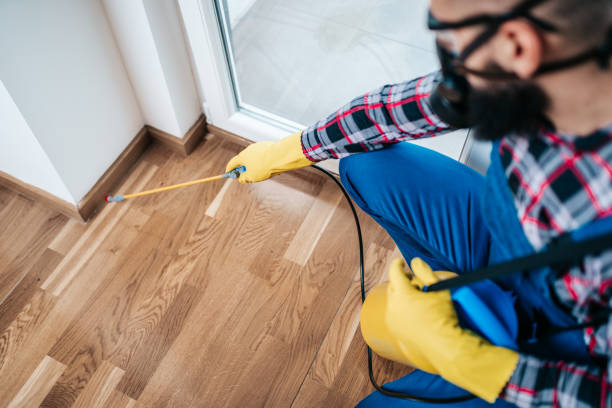
These pests may include insects, rodents, termites, or even fungi that damage crops, food supplies, or structures. The objective of pest control is to minimize the impact of these pests through various techniques and services offered by professionals.
Types of Pest Control Services
1. Residential Pest Control
This type focuses on controlling pests in homes and residential properties.
– Ants
– Cockroaches
– Termites
– Spiders
– Rodents
Services may include targeted treatments for each pest type as well as preventive solutions like sealing entry points.
2. Commercial Pest Control
Commercial pest control ensures that businesses remain pest-free to comply with health regulations and maintain a safe working environment.
– Restaurants and food service providers
– Warehouses and storage facilities
– Offices and retail spaces
Services typically involve routine inspections, ongoing monitoring systems, and quick response treatments.
3. Termite Control Services
Termites can cause extensive damage to wood structures if left untreated.
– Inspection for signs of infestation (mud tubes, hollow wood sounds)
– Liquid barrier treatments around foundations
– Baiting systems for long-term colony elimination
4. Wildlife Removal Services
This service handles larger pests like raccoons, squirrels, or bats that invade attics or other areas of a property.
– Humane trapping methods for relocation
– Sealing entry points to prevent re-entry
5. Integrated Pest Management (IPM)
IPM combines multiple strategies to reduce pest populations while minimizing environmental harm.
1) Biological controls – introducing natural predators
2) Mechanical controls – traps or barriers
3) Cultural practices – removing standing water or improving sanitation
| Service Type | Primary Focus Areas/Pests Treated | Key Methods Used |
| Residential Pest Control | Ants, cockroaches, rodents | Spot treatments & preventative sealing |
| Commercial Pest Control | General workplace infestations | Regular monitoring & inspections |
| Termite Control | Termites damaging wood structures | Bait systems & foundation liquid barriers |
Specialty Services
Certain providers also offer unique services tailored for less common infestations such as bed bugs or mosquitoes. Understanding the diverse range of services allows property owners to choose effective solutions suited for their specific needs.
Effective Pest Solutions by an Exterminator Deltona FL: Common Pests and How They Are Handled
Pests can pose a significant threat to homes, businesses, and overall well-being. Below is an overview of common pests targeted by pest control providers and the methods used to address them effectively.
Rodents are notorious for causing structural damage and spreading diseases like salmonella and hantavirus.
- Identification: Pest professionals inspect for droppings, gnaw marks, nesting materials, and entry points.
- Trapping: Use of mechanical traps like snap traps or live traps.
- Baiting: Placement of rodenticide baits in tamper-resistant stations.
- Exclusion: Sealing cracks, gaps, and other potential entry points to prevent reentry.
Cockroaches are resilient pests that thrive in warm, damp environments. They are known carriers of allergens and pathogens that can impact human health.
- Identification: Signs include droppings (similar to coffee grounds), shed skins, egg cases, or sightings during nighttime.
- Gel Baiting: Application of gel bait in areas frequented by cockroaches.
- Dust Insecticides: Use in voids or cracks where cockroaches hide.
- Sanitation Guidance: Recommendations for reducing food sources such as crumbs or grease residues.
Termites are considered one of the most destructive pests due to their ability to silently damage wooden structures over time.
- Identification: Look for mud tubes on walls or foundations, damaged wood that sounds hollow when tapped, or discarded wings near windowsills.
- Liquid Treatments: Application of termiticides around the building’s foundation to create a barrier.
- Bait Stations: Strategic placement of bait systems that termites consume and carry back to their colonies.
- Wood Treatments: Use of borate solutions on affected wood for added protection.
Ant infestations can range from harmless nuisance ants to more destructive species like carpenter ants that compromise wooden structures.
- Identification: Presence of ant trails (indoors or outdoors), small piles of dirt near entry points (ant nests), or structural damage in wooden areas.
- Baiting Systems: Placement along trails where ants carry poison back to the colony.
- Perimeter Treatments: Spraying insecticides around the foundation or entry points.
- Addressing moisture issues that attract specific species like carpenter ants.
Table Example – Comparison Between Treatment Methods
| Pest | Non-Chemical Methods | Chemical Methods |
| Rodents | Traps, sealing entry points | Rodenticides |
| Cockroaches | Sanitation | Gel baiting, dust insecticides |
| Termites | Physical barriers | Liquid treatments, bait stations |
| Ants | Natural repellents | Perimeter sprays |
Preventive Measures by Pest Type
- Keep food stored in airtight containers.
- Trim vegetation near buildings to reduce hiding spots.
- Regularly clean kitchen surfaces and remove clutter where roaches may hide.
- Ensure proper drainage around your property’s foundation to discourage moist conditions conducive to termite activity.
By addressing both current issues and potential vulnerabilities within a property’s structure or environment, they ensure effective eradication while minimizing future risks.
Common Pests Targeted by a Deltona FL Pest Control Company and How They Are Handled
Pests can pose significant challenges in both residential and commercial spaces, affecting health, property value, and overall comfort. Below, we explore some of the most frequently encountered pests and the methods employed by professionals to address them.
Rodents can cause structural damage, contaminate food supplies, and spread diseases such as hantavirus and leptospirosis.
Handling Techniques: – Inspection:Professionals assess entry points, nesting areas, and signs of activity (e. g. , droppings or chew marks).Trapping:Use of snap traps or live traps placed strategically in high-activity zones.Baiting:Safe placement of rodenticides in tamper-resistant bait stations.Exclusion Measures:Sealing gaps and cracks to prevent future infestations.
Cockroaches are notorious for contaminating surfaces with pathogens like E. coli and salmonella. Their rapid reproduction makes them a persistent problem.
Handling Techniques: – Sanitation Recommendations:Identifying areas of clutter or food buildup that attract cockroaches.Chemical Treatments:Use of residual insecticides in cracks, crevices, and high-traffic zones.Gel Baits:Application in hidden spaces where cockroaches tend to hide during the day.Monitoring Stations:Placement of glue traps to track infestation levels over time.
Termites silently destroy wood structures from within, often causing thousands of dollars in damage before being detected.
Handling Techniques: – Soil Treatments:Application of liquid termiticides around the foundation creates a protective barrier.Bait Systems:Installation of termite bait stations near problem areas to eliminate colonies gradually.Fumigation (in extreme cases):Whole-space fumigation may be necessary for widespread infestations.
| Type | Detection Method | Key Solution |
| Subterranean | Mud tubes along walls/foundations | Soil treatment & baiting systems |
| Drywood | Frass pellets near wood | Spot treatment or fumigation |
Ant infestations often occur in kitchens or pantries due to easy access to food sources.
Handling Techniques: – Identification:Differentiating between species like carpenter ants (damage wood) vs. sugar ants (seek food).Baits:Use slow-release toxic baits carried back to colonies by worker ants.Perimeter Treatments:Spraying insecticides around windows, doors, and other entry points.
Bed bugs are small but highly disruptive pests that feed on human blood during rest periods.
Handling Techniques: – Inspection Tools:Special equipment like bed bug detection dogs may be used for precise identification.Heat Treatments:Professionals use controlled heat systems to kill bed bugs at all life stages.Chemical Sprays:Application in furniture seams, mattresses, and other hiding spots.
While most spiders are harmless, some species like black widows or brown recluses can pose health risks through their venomous bites.
Handling Techniques:- Dusting voids with insecticidal powders for inaccessible spaces. – Removing webs regularly as part of maintenance efforts.
Advantages of Professional Pest Removal Deltona, FL
1. Preventive inspections at scheduled intervals.
2. Education on reducing attractants like moisture or clutter indoors.
3. Implementation of eco-friendly techniques when possible for safe applications around children or pets.
By addressing each pest with specialized approaches tailored to its biology and behavior patterns—professionals ensure long-term solutions rather than temporary relief from infestations.
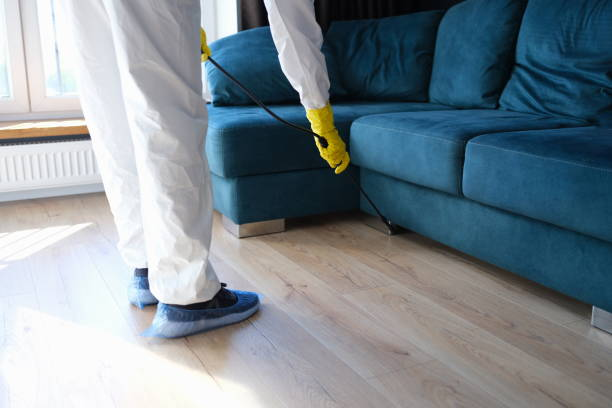
Exploring the Most Effective Methods Used for Professional Pest Extermination
Professional pest extermination involves a range of methods tailored to effectively eliminate pests while minimizing risks to humans, pets, and the environment. Each method is chosen based on the type of pest, level of infestation, and environmental considerations. Below are some of the most effective methods used by pest control experts.
Chemical treatments are one of the most common and effective ways to handle severe infestations efficiently. These involve the application of pesticides that target specific pests.
- Residual Sprays: Applied on surfaces where pests are likely to crawl or nest.
- Bait Stations: Used for pests like ants and cockroaches, these stations attract pests with food before killing them with poison.
- Aerosol Insecticides: Useful for hard-to-reach places such as cracks or wall voids.
While effective, chemical treatments should be administered by licensed professionals to ensure safety and compliance with regulations.
Biological control involves using living organisms to suppress pest populations naturally. This eco-friendly approach is particularly useful in agricultural settings.
- Predatory Insects: Ladybugs and lacewings are introduced to control aphids.
- Parasitic Wasps: Target pests like caterpillars by laying eggs inside them.
- Microbial Agents: Certain bacteria or fungi can be used against insects such as termites or mosquitoes.
This method reduces reliance on harmful chemicals and promotes sustainable pest management.
Physical control techniques focus on blocking entry points or physically removing pests from an environment. These methods work well for small-scale infestations or preventive measures.
- Glue traps for insects.
- Snap traps for rodents.
- Live traps for humane removal.
- Sealing cracks and gaps in walls or windows.
- Installing screens over vents.
- Heat Treatments: Raising room temperatures above certain thresholds can eliminate bed bugs and other heat-sensitive pests.
These solutions are non-toxic but may require professional installation or application to ensure effectiveness.
Integrated Pest Management is a holistic approach combining multiple strategies to manage pests effectively while minimizing environmental impact.
Key elements of IPM include: | Step | Description | |——————–|—————————————————————————–| | Monitoring | Regular inspections to identify pest activity and assess infestation levels | | Identification | Determining the specific type of pest causing problems | | Prevention | Implementing structural changes like sealing entry points | | Control | Applying targeted methods such as baits, traps, or biological agents |
IPM focuses on long-term solutions rather than temporary fixes, making it a preferred approach in both residential and commercial settings.
Fumigation is a method used primarily for severe infestations that cannot be controlled through other means. It involves sealing off an area and releasing gaseous pesticides into the space.
Applications: – Whole-home fumigation for termites. – Grain storage fumigation in agricultural warehouses.
Although highly effective, fumigation requires careful planning and professional oversight due to its potential risks.
By utilizing these diverse approaches, professional pest exterminators can address infestations with precision while promoting safety and sustainability where possible.
Types of Preventive Measures for Long-Term Pest Management and Their Importance
Preventive measures play a vital role in ensuring that pests do not invade your living or working spaces. Rather than just addressing infestations after they occur, preventive pest management focuses on creating an environment that discourages pests from entering or thriving. Below, we explore the various preventive strategies for long-term control and why they are essential.
Key Preventive Measures for Pest Management
- Inspect your home or office for cracks, crevices, and gaps around doors, windows, and foundations.
- Use caulk, weather-stripping, or steel wool to seal these openings.
- Ensure screens on windows and vents are intact and tightly fitted.
- Maintain a clean environment by promptly disposing of garbage and thoroughly cleaning food preparation areas.
- Vacuum carpets and upholstery regularly to eliminate crumbs.
- Keep storage spaces organized to reduce hiding areas for pests.
- Store food in airtight containers to prevent access by pests like ants, rodents, or cockroaches.
- Avoid leaving pet food out overnight as it can attract pests.
- Fix leaks in plumbing systems to eliminate water sources that attract pests such as termites and cockroaches.
- Use dehumidifiers in damp areas like basements to reduce humidity levels.
- Keep shrubs and trees trimmed back from the exterior walls of your property to deter insects from gaining access indoors.
- Remove clutter such as piles of wood or debris around your yard where pests may nest.
- Schedule regular inspections with a professional pest control provider to identify potential vulnerabilities before they develop into major infestations.
The Importance of Preventive Measures
Implementing preventive measures is crucial not only for maintaining a pest-free environment but also for safeguarding health, property, and resources.
| Benefits | Explanation |
| Health Protection | Prevents exposure to diseases carried by pests such as rodents or mosquitoes. |
| Cost Savings | Reduces the need for costly extermination services once infestations occur. |
| Structural Integrity | Protects buildings from damage caused by termites or other invasive species. |
| Environmental Responsibility | Minimizes reliance on chemical treatments by stopping problems before they start. |
Long-Term Outcomes of Effective Prevention
A well-maintained prevention plan fosters long-term peace of mind by reducing the likelihood of frequent invasions while promoting healthier living conditions. Combined with professional pest control consultations when needed, adopting preventive strategies ensures both economic efficiency and ecological sustainability over time.
By focusing on prevention rather than reactionary treatments alone, you can create an inhospitable environment for pests while protecting your home or workplace from future infestations effectively.
The Benefits of Choosing Organic Pest Management Over Traditional Chemical-Based Treatments
Organic pest management has gained significant traction over the years as more individuals and organizations prioritize health, safety, and environmental sustainability. Unlike traditional chemical-based treatments, organic pest control focuses on utilizing natural methods and substances to address pest problems effectively while minimizing harm to people and the environment. Below, we delve into the key benefits of organic pest management and why it is a preferred choice for many homeowners and businesses.
Healthier for Humans and Pets
One of the most significant advantages of organic pest control is its emphasis on safety. Traditional pesticides often contain harsh chemicals that can pose health risks to humans and animals, especially when used indoors or in poorly ventilated spaces. Organic solutions use natural ingredients such as plant-based oils, minerals, or biological agents that are non-toxic to humans and pets.
- Minimal allergic reactions: Many chemical-based products contain allergens or harsh compounds that may trigger respiratory issues or skin irritations. Organic alternatives reduce such risks significantly.
- Pet-safe solutions: Household pets are often vulnerable to harmful residues from chemical pesticides. Organic methods are designed with their safety in mind.
Environmentally Friendly Approach
Traditional chemical treatments can have long-lasting effects on the environment due to soil contamination, water pollution, and harm to non-target species such as beneficial insects (e. g. , bees) or birds. Organic pest control methods aim to limit these impacts by utilizing eco-friendly practices.
- Biodegradable substances: Organic treatments break down naturally without leaving harmful residues in soil or water systems.
- Targeted application: These solutions focus specifically on pests without disrupting local ecosystems or harming beneficial organisms like pollinators.
| Aspect | Chemical-Based Treatments | Organic Pest Control |
| Residue impact | Toxic residues in soil/water | Biodegradable; minimal impact |
| Effect on beneficial insects | High risk | Minimal risk |
| Sustainability | Non-renewable resources | Sustainable materials |
Long-Term Solutions Through Prevention
Organic pest management often emphasizes prevention rather than simply eradicating pests after an infestation occurs. This proactive approach helps create a more sustainable solution for long-term pest control.
Key preventive measures include: – Sealing entry points like cracks and crevices around doors and windows. – Promoting healthy soil through composting rather than relying on synthetic fertilizers. – Introducing natural predators such as ladybugs or nematodes to manage specific pests biologically.
By integrating these measures with organic practices, property owners can reduce the likelihood of recurring infestations while creating a healthier living environment.
Reduced Risk of Pest Resistance
Over time, pests exposed to chemical pesticides can develop resistance, making them harder to eliminate. Organic methods target pests through diverse strategies—such as using crop rotation techniques or releasing pheromones—which reduce the likelihood of resistance development.
Examples include: – Neem oil: A naturally derived solution that disrupts insect growth cycles without causing resistance buildup.Diatomaceous earth: A physical barrier method that dehydrates pests like ants or cockroaches without relying on synthetic chemicals.
Supporting Local Ecosystems
Using organic pest management not only addresses immediate concerns but also supports broader ecological stability. For example: – Encouraging biodiversity by preserving helpful species. – Reducing water contamination risks from pesticide runoff.
These practices ensure a balanced ecosystem where natural processes regulate pest populations effectively over time.
By prioritizing health, sustainability, and long-term effectiveness, organic pest management provides a safer alternative for households and businesses seeking environmentally conscious solutions while maintaining high standards of efficacy.
Why Professional Pest Control Services Are Essential for a Healthy Living Environment
Maintaining a healthy living environment is critical to ensuring the well-being of your household or workplace.
Pests such as rodents, cockroaches, and mosquitoes are carriers of harmful diseases that can pose significant health risks to humans, including:
– Rodents: Spread diseases like hantavirus and salmonella through their droppings or bites.
– Cockroaches: Trigger asthma and allergies while spreading bacteria like E. coli and Salmonella.
– Mosquitoes: Transmit dangerous illnesses such as malaria, dengue fever, Zika virus, and West Nile virus.
Rodentschew through electrical wiring, increasing the risk of fires.Beetlesor borers can damage furniture and flooring.
Trained pest control providers use targeted treatments to eliminate these destructive pests while preserving the integrity of your home or workplace.
While some may view professional pest control as an expense, it is an investment in long-term savings.
– Avoidance of expensive repairs due to pest-induced damage (e. g. , termite treatment vs replacing damaged wood).
– Prevention of food contamination caused by pests like ants or pantry moths reduces wasted supplies.
By addressing issues at their root cause with professional intervention, you minimize recurring expenses associated with DIY measures that often fail.
Certified pest control technicians use advanced methods tailored to specific infestations while ensuring minimal impact on human health or the environment: – Targeted chemical applications only where necessary. – Eco-friendly options such as heat treatments or biological controls. – Integrated Pest Management (IPM) strategies combining prevention with treatment for sustainable outcomes.
Their expertise ensures effective results without unnecessary exposure to harmful substances.
Living in an environment free from pests fosters peace of mind for occupants: – No need to worry about spotting pests unexpectedly in areas like kitchens or bathrooms. – Confidence knowing food storage areas remain uncontaminated. – Assurance your family’s health is safeguarded against potential threats posed by infestations.
Professional services provide thorough inspections and monitoring solutions that keep pests at bay long-term.
Table: Common Pests & Their Associated Risks
| Pest | Key Risks | Common Locations |
| Cockroaches | Allergies; spread bacteria | Kitchens, bathrooms |
| Termites | Wood structure damage | Wooden furniture; foundations |
| Rodents | Disease transmission; electrical fires | Basements; attics |
| Mosquitoes | Malaria; Zika; dengue fever | Stagnant water areas |
By understanding these risks, it becomes evident how vital professional expertise is in mitigating both health hazards and property concerns effectively.
A combination of timely intervention by professionals alongside preventive strategies helps maintain a hygienic space while extending the longevity of your property’s infrastructure – making professional pest control not just essential but invaluable for any living environment seeking sustainability and safety alike.
- How to Properly Prepare Your Home for Effective Deltona Pest Control Treatment
- Understanding Deltona Pest Control and the Different Types of Pest Control Services
- Your Ultimate Guide to Choosing the Best Deltona FL Pest Control Company
- Essential Tips for Choosing the Right Deltona Pest Control Service
- Discover the Advantages of Choosing Deltona Pest Control for Your Home or Business
- How a Deltona FL Pest Control Company Can Help Eliminate Unwanted Pests
- Effective Deltona Pest Control Methods for a Pest-Free Home
- Effective Deltona Pest Control: How Mice Sneak Into Your Home and Ways to Stop Them