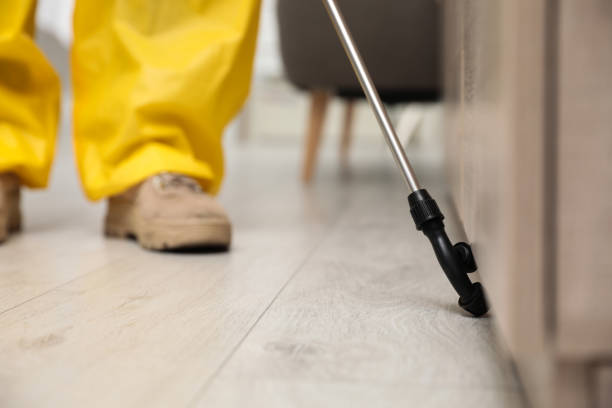
Preparing your home before a pest control treatment is an essential step to ensure the process is safe, efficient, and effective. Proper preparation allows pest control professionals to thoroughly address infestations while minimizing risks to residents. Below is a comprehensive guide on how to prepare your home for a successful pest control treatment.
Declutter Your Home
Clutter can provide hiding spots for pests and make it difficult for professionals to access key areas. Focus on the following:
– Clear floors: Remove items such as toys, shoes, and bags from the ground.
– Organize shelves: Remove unnecessary items from countertops, cabinets, and under sinks.
– Declutter closets: Keep clothing off the floor and store shoes in closed containers if possible.
By reducing clutter, you improve visibility and allow pest control experts better access to pests’ active areas.
Clean Surfaces Thoroughly
Before the treatment, ensure your home is clean. Pests are often attracted to leftover food crumbs or trash. Follow these steps:
1. Vacuum carpets, rugs, and upholstered furniture thoroughly.
2. Wipe down countertops, tables, and other surfaces in the kitchen or dining areas.
3. Empty garbage bins regularly and tie up trash bags securely.
4. Mop floors with soap or disinfectant where applicable.
A clean environment ensures that no food particles or debris interfere with the effectiveness of pest control products.
Protect Food Items
Food contamination is a serious concern during pest control treatments. Protect food by:
– Storing all edible items in airtight containers made of glass or plastic. – Removing perishable items from countertops and open kitchen spaces. – Covering cooking appliances like microwaves or stovetops with protective sheets.
For extra precautions, consider storing food away from treated areas until after the process is complete.
Relocate Pets Temporarily
Pets are sensitive to many chemicals used during treatments. It’s crucial to relocate them temporarily:
– Place dogs, cats, birds, or small animals at a friend’s house or boarding facility. – Cover fish tanks tightly with plastic wrap and turn off aerators. – Secure pet bedding and toys in sealed containers away from treated zones.
Inform your pest control provider about any pets so they can adjust their product application accordingly if needed.
Move Furniture Away From Walls
To allow access to baseboards—common entry points for pests—move furniture at least 2–3 feet away from walls wherever possible:
– Pull couches, beds, bookshelves, wardrobes away from wall surfaces. – Ensure accessibility under large furniture pieces where pests may hide (e.g., under beds).
This provides ample space for technicians to apply treatments effectively along edges where pests commonly travel.
Checklist Summary of Preparations
| Task | Action Required | Notes |
| Declutter spaces | Remove unnecessary items | Focus on pest-prone areas |
| Clean surfaces | Vacuum/mop/wipe thoroughly | Reduces food sources for pests |
| Secure food | Use airtight containers | Avoid contamination risks |
| Relocate pets | Temporary housing needed | Notify technicians about pets |
| Move furniture | Create space near walls | Enhances product application |
Following these steps ensures that your home is ready for thorough treatment while prioritizing safety for family members and pets alike.
Proper preparation not only enhances immediate outcomes but also supports long-term results by addressing environmental factors that attract pests in the first place.
Essential Tips from an Exterminator Deltona FL Before Pest Control Treatment
Proper preparation is critical for ensuring the effectiveness of professional pest control treatments. By taking the right steps before the treatment begins, you can maximize its efficiency, protect your belongings, and create a safe environment for both your household and the pest control technicians. Below is a detailed guide on what to do before your scheduled pest control service.
1. Clear Access to Problem Areas
- Move furniture away from walls.
- Clear storage areas like closets or basements where pests could be hiding.
- Ensure crawl spaces, attics, and corners are easily accessible.
By allowing technicians easy access, treatments can be applied thoroughly in all necessary spots.
2. Clean Your Home
- Vacuum floors, carpets, and rugs to remove food crumbs and pest debris.
- Wipe down countertops and tables.
- Dispose of trash promptly and securely.
Avoid mopping floors just before the treatment as it may reduce the effectiveness of chemical barriers placed by professionals.
3. Protect Food and Kitchenware
- Store food in airtight containers or remove it from areas being treated.
- Cover or store kitchen items such as dishes, utensils, cutting boards, and small appliances.
Keeping food and kitchen tools protected minimizes their exposure to chemicals used during pest control processes.
4. Relocate Pets Temporarily
| Pet Type | Recommendation |
| Dogs & Cats | Relocate them for several hours post-treatment. |
| Fish Tanks | Cover tanks with plastic wrap; turn off aerators temporarily. |
| Birds | Avoid keeping them near treated areas due to their sensitivity to chemicals. |
Communicate with your pest control provider about any specific pet-related concerns beforehand.
5. Remove Clutter
- Reduce clutter in bedrooms by organizing under-the-bed storage.
- Remove items from bathroom countertops or cabinets if treatment will occur there.
This step ensures that no hidden spaces are left untreated.
6. Launder Bedding & Fabrics
- Wash bed sheets, pillowcases, blankets, curtains, and cushion covers in hot water (at least 120°F).
- Dry fabrics on high heat settings as well since heat helps eliminate any lingering pests.
Leave mattresses exposed so that they can be effectively treated as part of the process.
Key Reminders
Before the day of service:
1. Communicate clearly with your pest control provider about specific concerns or sensitive areas in your home.
2. Alert them about children’s toys or other items requiring special handling.
3. Verify how long you should stay out of treated rooms after service completion (this varies based on chemicals used).
Proper preparation not only contributes significantly to a successful pest removal process but also protects your household members during this time while maintaining safety standards throughout the procedure.
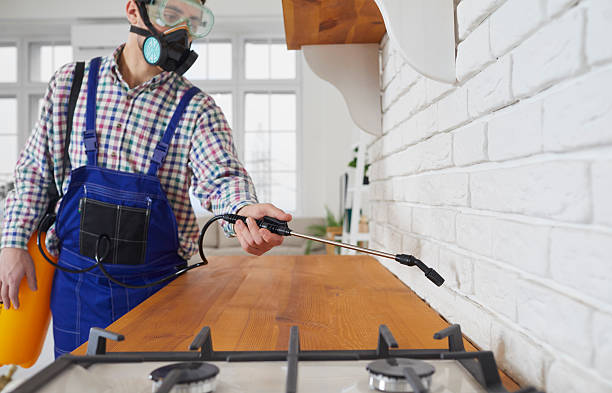
Essential Tips from a Deltona FL Pest Control Company Before Treatment
Preparing your home before a professional pest control treatment from www.deltonapestcontrol.net is critical for ensuring the process is effective and efficient. Proper preparation allows pest control professionals to target problem areas more effectively and ensures that you, your family, and your belongings remain safe during the treatment. Below are key steps you should take to prepare.
Clean and Declutter Your Space
- Vacuum floors, carpets, and upholstery to eliminate crumbs, food particles, or pest residues.
- Dispose of garbage properly and remove trash bins from treatment areas.
- Store items in sealed containers, especially in areas prone to clutter like closets, garages, or basements.
- Remove unnecessary items from countertops, shelves, or floor spaces.
Protect Food Items
- Transfer opened food products into air-tight containers made of plastic or glass.
- Relocate pantry items into cabinets entirely sealed off from the treated areas.
- Temporarily store perishable foods in the refrigerator and ensure it remains tightly closed during treatment.
Relocate Pets
- Temporarily move pets such as cats, dogs, birds, small rodents, or reptiles to another location outside the home during treatment.
- Cover fish tanks with plastic wrap and turn off pumps if they cannot be relocated.
- Wash pet bedding or toys after the treatment as an added precaution.
Move Furniture and Appliances
- Move large furniture (like sofas or beds) at least 2–3 feet away from walls.
- Pull refrigerators, stoves, washing machines, and dishwashers slightly away from their usual positions.
- Remove any stored items beneath appliances for easy access.
Ventilate Properly
| Area | Recommendation |
| Living rooms | Open windows/doors after treatment for airflow |
| Kitchens | Ventilate through exhaust fans if available |
| Bedrooms | Wait several hours post-treatment before occupancy |
Taking these preparatory steps helps eliminate obstacles that could hinder the pest control process while safeguarding your environment from harm. With these measures in place beforehand—alongside open communication with your exterminator—you’ll maximize results effectively over longer durations meanwhile minimizing toxicity concerns end-user faces directly .
Effective Tips for Pest Removal Deltona, FL: Protecting Your Food and Belongings
Properly safeguarding your food and personal belongings during a pest control treatment is crucial for both the safety of your household and the effectiveness of the treatment. Pesticides, even when applied by professionals, can pose risks if they come into direct contact with food, cookware, or other items regularly used by your family. Below is a detailed guide to help you protect your home during this process.
Why Food Protection Matters
The chemicals used in pest control treatments are designed to eliminate pests but can be harmful if ingested by humans. Ensuring that all edible items are properly stored or removed reduces the risk of contamination and ensures the safety of anyone consuming food from your home.
Steps to Protect Your Food
- Place all perishable goods such as bread, fruits, or dairy products into sealed containers or plastic bags.
- Store these items in refrigerators or cabinets that will not be treated directly.
- Any open food packages (e.g., chips, cereal) should either be placed in airtight containers or discarded if they cannot be effectively sealed.
- Avoid leaving any exposed food out on counters.
- For long-term staples like rice, flour, and beans, consider vacuum-packing them before treatment. This ensures no pesticide residue can penetrate packaging.
- Dispose of all garbage properly before the pest control team arrives. Full trash bins may attract more pests during the treatment process.
Securing Kitchenware and Utensils
- Cover Dishes and Utensils: Use clean plastic sheets to cover any exposed pots, pans, plates, or utensils left out in the kitchen.
- Store Small Appliances: Items like toasters and blenders should be unplugged and stored away in cabinets or closets if possible.
- Wipe Surfaces Before Use: After treatment is complete, wipe down countertops with soapy water before placing any cookware back onto surfaces.
Storage Recommendations for Non-Food Items
| Item Category | Recommended Action |
| Children’s Toys | Washable toys should be cleaned post-treatment if left out; non-washable toys must be stored away securely. |
| Bedding | Remove all bed linens from rooms being treated; launder them after pest control services are finished. |
| Clothing | Store clothes inside sealed garment bags or remove them from areas undergoing treatment. |
Additional Tips for Safety
- Move movable furniture away from walls so that pesticides can reach pest-prone areas without contaminating your belongings.
- Utilize plastic storage bins for small personal items like books or valuables—these bins provide an extra layer of protection against chemical exposure.
- If possible, avoid entering treated areas until recommended by professionals (typically 2–6 hours post-treatment). This minimizes any risk of accidental exposure.
Taking these precautions ensures that both your home environment remains safe after pest control treatments while also maximizing their effectiveness against infestations. Proper preparation is vital not only for protecting yourself but also for maintaining peace of mind throughout the entire process.
How to Protect Your Food and Belongings During a Pest Control Treatment
Ensuring the safety of your food and belongings during a pest control treatment is an integral part of the preparation process. Proper precautions not only help maintain hygiene and protect your household items but also ensure that the treatment is as effective as possible.
Steps to Protect Food Items
- Clear countertops, tables, and any open spaces where food is stored.
- Place all open food items in airtight containers or resealable bags to prevent chemical exposure.
- Move packaged goods, canned foods, and other non-perishable items into closed cabinets or pantries.
- For perishable goods like fruits and vegetables, consider refrigerating them temporarily if space allows.
- Cover Kitchen Surfaces:
Use plastic sheets or newspapers to cover kitchen counters, shelves, and appliances where food preparation takes place. This prevents chemical residues from coming in contact with these surfaces.
Protecting Non-Food Belongings
- Cover bedding, cushions, curtains, and other fabric-based belongings using plastic covers or bags.
- Store smaller fabric items like clothing in sealed storage bins or vacuum-sealed bags.
- Secure Valuable Items:
If you have valuable objects like jewelry or electronics in the treatment area, move them to a room that won’t be treated or store them securely in covered containers. - Remove Portable Appliances:
Small kitchen appliances such as coffee makers and toasters should be unplugged and stored away until after the treatment process is complete. - Cover Furniture:
Use drop cloths or large covers for furniture pieces such as sofas and tables that cannot be moved out of the treated areas.
Table for Quick Reference
| Household Area | Preparation Tip | Purpose |
| Kitchen | Cover countertops; store open foods securely | Prevent contamination of food prep surfaces |
| Living Room | Cover upholstery; relocate small electronic devices | Avoid chemical residue on shared-use furniture |
| Bedrooms | Protect bedding by sealing it in plastic covers | Ensure sleeping areas remain clean |
| Bathrooms | Close toilet lids; store toiletries inside cabinets | Avoid exposure of personal hygiene products |
Additional Tips for Safety
- Use Designated Storage Spaces: If you don’t have enough covered space at home for storage during pest control treatments, consider renting temporary containers.
- Communicate with Professionals: Ask your pest control provider which areas will be affected by their methods so you can focus your preparations accordingly.
- Label Stored Items: Clearly label sealed boxes or bags containing important items to avoid confusion when unpacking post-treatment.
By taking these precautions before a pest control treatment begins, you can ensure that both your food supplies and personal belongings are safeguarded against contamination while maximizing the effectiveness of the process. Proper preparation benefits not only the household but also supports a healthier living environment once pests are eradicated effectively.
Why Relocating Pets is Crucial During a Pest Control Treatment
Preparing for pest control treatment in a home involves not only protecting your belongings but also ensuring the safety of your pets. Pets can be especially vulnerable to the chemicals and procedures used during pest control treatments. Here, we’ll explore why relocating pets is essential and how to ensure their well-being during these processes.
The Risks Pest Control Poses to Pets
- Chemical Exposure: Many pesticides contain active ingredients that are toxic when inhaled, ingested, or absorbed through skin or fur.
- Behavioral Risks: Curious animals may lick or chew on treated surfaces, traps, or bait stations.
- Respiratory Issues: Fumes from certain sprays or foggers can irritate pets’ respiratory systems, particularly in animals with pre-existing conditions such as asthma.
Benefits of Temporarily Relocating Your Pets
- Minimized Exposure: Keeping pets away ensures they are not exposed to harmful chemicals or areas treated with pesticides.
- Reducing Stress: Loud noises from equipment like sprayers or fogging machines can stress animals. Relocation provides them with a calm space away from disruption.
- Effective Pest Treatment: Unhindered access allows professionals to treat areas more thoroughly without needing to accommodate pet safety.
Tips for Safely Relocating Your Pets
- Take your pets to a friend’s home, family member’s place, or even a boarding facility for the day.
- If relocation outside the home isn’t an option, designate an untreated room as their temporary area.
- Pack food, water bowls, bedding, toys, and any medications they may need if they will be staying elsewhere temporarily.
- Cover fish tanks securely with plastic wrap and turn off aeration systems while spraying is conducted nearby.
- Consider moving small aquatic habitats entirely if feasible.
- Wait for at least the recommended time (often 2–4 hours) after treatment before reintroducing pets back into the treated environment.
- Ventilate the area thoroughly by opening windows and using fans before bringing them back inside.
Safety Guidelines by Animal Type
| Pet Type | Suggested Actions |
| Dogs & Cats | Relocate if possible; otherwise isolate in an untreated room with proper ventilation |
| Birds | Highly sensitive to fumes; always relocate during treatment |
| Fish/Aquatic Animals | Cover tanks securely; turn off aeration until air clears |
| Small Mammals | Remove cages from treated areas or cover them tightly |
Long-Term Pest Management Tips With Pets in Mind
- Store pesticides in locked cabinets out of reach of pets.
- Inspect floors regularly for leftover bait crumbs or residue.
- Request pet-safe treatment options when booking pest control services.
By prioritizing your pet’s safety through careful planning and relocation during pest control treatments, you reduce potential health risks while ensuring effective pest eradication throughout your home.
Things You Should Do Immediately After a Pest Control Treatment
Once a professional pest control treatment has been administered, there are several important steps you should take to ensure the process is effective, safe, and long-lasting. Proper post-treatment care not only helps eliminate pests but also minimizes any potential risks to your family and pets. Below is a comprehensive guide outlining what you should do immediately after pest control services have been completed.
Wait Before Entering Treated Areas
One of the first things to consider is adhering to the recommended wait time before re-entering areas that were treated. Pest control professionals will typically advise you on how long to stay away from your home or specific rooms depending on the chemicals used. Following these recommendations ensures safety and allows the treatments to work effectively.
- For chemical sprays: Wait at least 2-4 hours unless otherwise instructed.
- For fumigation treatments: Re-entry may require 24-48 hours.
Always confirm with your pest control provider regarding specific timelines for your home.
Open Windows and Ventilate
After re-entering your home, it’s important to improve air circulation by opening all windows and doors. Ventilation helps remove any lingering odors or residual vapors that may have accumulated during the treatment process.
- Use fans or turn on exhaust systems for faster air exchange.
- Focus on enclosed spaces like bathrooms or closets where air tends to stagnate.
Clean Surfaces Carefully
- Dry Dusting: Lightly dust surfaces with a dry cloth before using them.
- Spot Cleaning: Use mild soap and water only in areas where direct contact with pesticides occurred (as per professional advice). Avoid heavy cleaning of treated baseboards or corners since this could reduce the effectiveness of the application.
- Vacuum Carpets: If instructed by your pest control provider, vacuum carpets and rugs after 24 hours to remove dead pests while keeping treatment intact.
Dispose of Dead Pests and Contaminated Items
- Wear gloves when handling dead pests.
- Place them in sealed bags before disposing of them in an outdoor bin.
- Sanitize areas where pests were found using appropriate disinfectants.
If bedding materials (e.g., rodent nests) were contaminated during a rodent infestation, dispose of these items as well under professional guidance.
Monitor for Activity
- Look out for unusual pest activity near exit points such as cracks around doors/windows.
- Note any live insects appearing sluggish—this often indicates exposure to chemicals.
- Keep track of problematic spots so they can be addressed during follow-up treatments if necessary.
Reintroduce Pets Safely
- Wash pet bedding if it was removed prior to treatment.
- Clean food bowls or toys that may have been exposed accidentally.
- Allow aquariums adequate ventilation if covered during pesticide application.
| Task | Suggested Timeframe | Notes |
| Re-enter home | As per professional advice | Typically 2–48 hours depending on method |
| Ventilate treated areas | Immediately after re-entry | Open windows/doors thoroughly |
| Surface cleaning | After initial airing-out | Focus on essential zones like counters |
| Dispose of pests | As soon as discovered | Use gloves and seal bags properly |
Taking these proactive measures ensures both safety and results while prolonging the efficacy of the pest control treatment in your home. Always consult your pest management professional if questions arise regarding specific post-treatment guidelines tailored to your situation or environment.
Comprehensive Overview of Professional Pest Control Services
Professional pest control services play a vital role in maintaining a safe and healthy living environment. Understanding what these services entail can help homeowners and businesses make informed decisions when dealing with pest infestations. Below is an overview of the key aspects of professional pest control services, their benefits, and what to expect during the process.
What Do Professional Pest Control Services Include?
- Identification of the type of pests (e.g., rodents, termites, ants, etc.).
- Assessment of the severity and extent of the infestation.
- Evaluation of conditions contributing to the pest problem, such as moisture or structural issues.
- Development of a treatment plan based on the type and level of infestation.
- Use of appropriate treatment methods (chemical sprays, baiting systems, heat treatments, etc.).
- Consideration for eco-friendly or organic solutions when requested by the client.
- Application of pesticides or other treatment methods in targeted areas.
- Use of safety measures to minimize risks to humans, pets, and non-target species.
- Regular monitoring to ensure pests are eradicated and do not return.
- Adjustments to treatment plans if new issues arise.
Benefits of Professional Pest Control Services
- Expertise: Trained technicians have deep knowledge about pest behavior and effective treatment strategies.
- Time Efficiency: Professionals can resolve issues quickly and thoroughly compared to DIY methods that may take longer or fail entirely.
- Safety: They use approved products that are less likely to pose risks when applied correctly.
- Long-Term Prevention: Most services include recommendations for long-term prevention measures such as sealing entry points or removing attractants like food waste.
- Peace of Mind: Knowing your home or business is protected from future infestations can reduce stress significantly.
Types Of Common Pest Control Treatments
| Treatment Method | Description | Best For |
| Chemical Sprays | Use of liquid pesticides applied in affected areas | Cockroaches, ants, bedbugs |
| Baiting Systems | Placement of bait traps that attract pests like rodents or ants | Mice, rats |
| Heat Treatments | High temperatures used to eliminate certain pests | Bedbugs |
| Fumigation | Release of fumigants (gas) into sealed spaces | Severe termite infestations |
| Organic Methods | Non-toxic treatments such as diatomaceous earth or essential oils | Environmentally conscious homes |
What To Expect During A Service Visit
- Be prepared for an initial consultation where technicians will inspect your property thoroughly.
- Discuss concerns such as specific pests you’ve noticed or areas where activity seems high.
- Follow any pre-treatment instructions provided by the company (e.g., moving furniture away from walls).
- Expect technicians to provide documentation outlining their findings along with proposed solutions.
Post-Treatment Care Suggestions
After receiving professional pest control treatments: – Wait for any recommended time before re-entering treated areas. – Clean surfaces only as instructed by technicians—some treatments work better when undisturbed. – Continue monitoring your space for signs that suggest effectiveness (or lack thereof).
By understanding what professional pest control services involve and their benefits, you can ensure a smoother process while addressing any existing concerns effectively.
- How to Properly Prepare Your Home for Effective Deltona Pest Control Treatment
- Understanding Deltona Pest Control and the Different Types of Pest Control Services
- Your Ultimate Guide to Choosing the Best Deltona FL Pest Control Company
- Essential Tips for Choosing the Right Deltona Pest Control Service
- Discover the Advantages of Choosing Deltona Pest Control for Your Home or Business
- How a Deltona FL Pest Control Company Can Help Eliminate Unwanted Pests
- Effective Deltona Pest Control Methods for a Pest-Free Home
- Effective Deltona Pest Control: How Mice Sneak Into Your Home and Ways to Stop Them