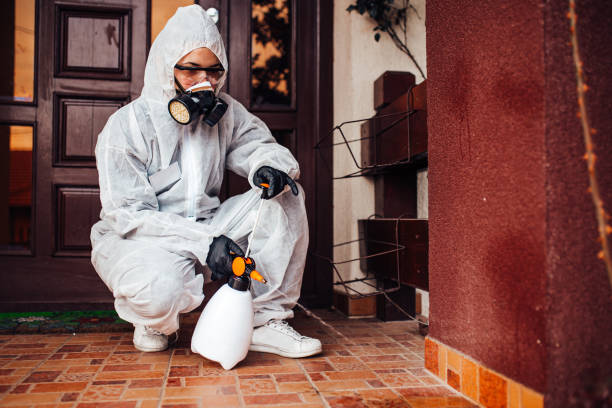
When dealing with pests, choosing a professional pest control service is critical to ensure the problem is addressed effectively and safely. With many options available, it’s important to make an informed decision to protect your home or business. Below are some essential tips for selecting the right pest control service tailored to your specific needs.
Assess Your Pest Problem
Before reaching out to a pest control company, identify the type of pest issue you are facing. Different companies specialize in handling specific pests such as termites, rodents, bed bugs, or ants. Understanding your problem will allow you to choose a provider with expertise in addressing that particular pest.
Verify Credentials and Certifications
It’s important to confirm that the company you select holds appropriate licenses and certifications in your state or region. Licensed professionals follow industry standards and use safe practices when applying pesticides or carrying out other treatments.
- Check if they have membership in professional organizations like the National Pest Management Association (NPMA).
- Ensure their technicians are trained and certified according to local regulations.
Choosing licensed professionals protects you from potential health risks caused by improper pest control techniques.
Compare Services Offered
- Inspection services: A thorough evaluation of your property to identify problem areas.
- Treatment plans tailored to your needs: Customized strategies based on the level of infestation.
- Preventive measures: Long-term solutions such as sealing entry points or recommending maintenance routines.
Ask whether they offer environmentally-friendly options if sustainability is important to you.
Read Reviews and Seek Referrals
Customer feedback can provide valuable insights into a company’s reliability and quality of service.
- Browse online reviews on trusted platforms like Google Reviews or Yelp.
- Request recommendations from friends, family, or neighbors who have had similar issues.
- Look for any red flags such as unresolved complaints with regulatory agencies like the Better Business Bureau (BBB).
Evaluate Cost vs. Value
| Service Component | Company A | Company B | Company C |
| Initial Inspection Fee | $50 | Free | $75 |
| Treatment Plan Cost | $200 | $250 | $225 |
| Follow-Up Visits | Included | Extra Charge | Included |
| Guarantee/Warranty Period | 12 Months | 6 Months | 12 Months |
Choose a provider that offers value through comprehensive services rather than opting for the cheapest option upfront.
Confirm Safety Practices
- Explain how products will be applied.
- Provide safety guidelines for occupants during and after treatment.
- Use Integrated Pest Management (IPM) practices that focus on minimal chemical usage while achieving effective results.
Ensure Responsiveness and Communication
A reliable pest control service should be easy to contact before, during, and after treatments. Evaluate their customer support services by observing how promptly they respond to inquiries or concerns.
By taking these steps into consideration, you’ll be better equipped to choose a pest control service that meets both your immediate needs and long-term goals effectively while ensuring safety for everyone involved.
Why You Should Hire a Licensed Exterminator Deltona FL for Pest Control
When dealing with pest infestations, hiring licensed and certified pest control professionals is critical. Not only does this ensure the safety and effectiveness of the treatment, but it also provides peace of mind knowing that the service meets industry standards. Below, we’ll explore why this is important and what benefits it offers.
Why Licensing and Certification Matter
Licensed and certified pest control professionals possess the necessary training to handle a range of pests while adhering to local regulations. This expertise reduces risks associated with improper pesticide use or ineffective treatments.
- Compliance with Local Laws: Many regions require pest control companies to be licensed, ensuring they meet specific safety and environmental standards.
- Proper Training: Certified technicians undergo rigorous training on safe pesticide application, pest biology, and integrated pest management (IPM) techniques.
- Accountability: Licensed providers are more likely to adhere to ethical practices because they are regulated by governing bodies.
- Insurance Coverage: Licensed providers often carry insurance, which protects you in case of accidental damage or harm during the treatment process.
Risks of Hiring Unlicensed Pest Control Services
| Potential Risk | Explanation |
| Ineffective Treatment | Untrained individuals may use incorrect methods or products that fail to eliminate pests. |
| Safety Concerns | Misuse of pesticides can pose health risks to humans, pets, and the environment. |
| Legal Issues | Hiring unlicensed services may violate local regulations in certain areas. |
| Lack of Accountability | Unlicensed providers are unlikely to offer warranties or guarantees for their work. |
Benefits of Certified Pest Control Professionals
- Expert Knowledge: They understand how different pests behave and can tailor treatments for long-term results.
- Safer Solutions: They prioritize safety when handling chemicals, minimizing risks to your family, pets, and property.
- Proper Equipment: Certified companies invest in advanced tools and technologies for efficient pest management.
- Sustainable Practices: Many licensed providers use eco-friendly strategies that focus on prevention rather than over-reliance on chemical treatments.
How to Verify Licensing and Certification
- Check Local Registries: Look up licensed companies through your state or local government’s website.
- Ask for Proof: Request a copy of their license or certification during initial consultations.
- Verify Insurance Coverage: Confirm that they carry liability insurance for added protection.
- Read Online Reviews: Feedback from previous customers can provide insight into their professionalism and reliability.
By prioritizing properly licensed professionals with verifiable certifications, you can ensure effective solutions while protecting your home and family from potential harm caused by improper practices.
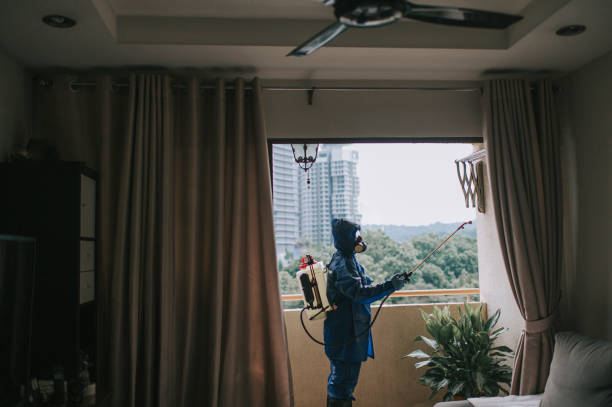
Why You Should Choose a Licensed Deltona FL Pest Control Company
When it comes to safeguarding your home or business from pests, hiring a licensed and certified pest control professional is not just an option—it’s essential. These credentials ensure that the service you are receiving is safe, effective, and conducted by individuals who meet industry standards. Let’s explore why working with licensed and certified experts is crucial for effective pest management.
Benefits of Hiring Licensed Pest Control Professionals
- Compliance with Local Regulations
Licensed professionals adhere to local laws, including pesticide usage guidelines and environmental safety standards. This ensures that the methods used comply with both legal requirements and health concerns for humans and pets. - Proper Training and Expertise
Certifications reflect extensive training in pest biology, treatment techniques, and safe handling of potentially harmful substances. This makes licensed technicians better equipped to handle complex infestations efficiently. - Minimized Risks
Certified professionals use proven techniques designed to minimize risks such as exposure to harmful chemicals or damage to property. Their expertise ensures proper application methods that protect both the occupants and the environment. - Access to Regulated Pesticides
Many pesticides are only available for use by individuals with proper licensing due to their potency or potential hazards if misused. Certified technicians can access these solutions legally, ensuring more effective results than over-the-counter alternatives.
What Does Being Licensed and Certified Mean?
| Credential Type | Explanation |
| State Licensing | Issued by regulatory agencies; ensures compliance with state-specific laws. |
| Industry Certification | Voluntary qualifications such as NPMA (National Pest Management Association) certifications demonstrate advanced knowledge in pest control practices. |
| Insurance Coverage | Most licensed providers carry liability insurance for customer protection in case of accidental damage or issues during treatments. |
Risks of Hiring Unlicensed Providers
- Ineffective Treatments: Unskilled individuals may not address the root cause of infestations, leading to recurring problems.
- Health Hazards: Misapplication of pesticides increases the risk of exposure-related health issues such as respiratory problems or skin irritations.
- Legal Repercussions: Using unlicensed services could result in penalties or fines if treatments violate local regulations.
- Uninsured Damages: In the event of property damage during treatment, you may bear financial responsibility if the company lacks insurance coverage.
How to Verify Credentials
- Request proof of state licenses and relevant certifications.
- Verify credentials through your state’s pesticide regulatory agency website.
- Ask about specific training programs attended by their technicians.
- Check reviews or testimonials verifying their industry reputation.
Hiring licensed and certified professionals offers peace of mind while addressing pest-related challenges effectively. With proper credentials comes confidence in knowing your property is protected by experts equipped with the skills necessary for safe and lasting outcomes.
Important Factors to Consider for Effective Pest Removal Deltona, FL Services
Choosing the right pest control provider is critical for effectively managing infestations while ensuring safety for your household, pets, or business environment. A thorough evaluation of key factors can help you make an informed decision and avoid unnecessary risks or expenses. Below are essential criteria to keep in mind when selecting a pest control provider.
Licensing and Certification
- Regulatory Compliance: Ensure the company holds valid licenses and certifications to operate in your area. Verified licensing demonstrates that the provider complies with local regulations and industry standards.
- Trained Professionals: Check whether the technicians employed by the company have received proper training and certifications from recognized pest control organizations.
Experience and Expertise
- Track Record: Look for a provider with an established history of addressing a variety of pest concerns, from rodents to insects.
- Specialization: If you’re dealing with specific pests (e.g., termites, bed bugs), ensure the company has specialized knowledge and tools for managing those infestations effectively.
Eco-Friendly Practices
Consider if the company offers environmentally friendly pest control solutions. Many consumers today prefer providers who use low-toxicity or organic pesticides to minimize environmental impact.
Benefits of eco-friendly options: | Traditional Methods | Eco-Friendly Alternatives | |———————-|—————————| | Chemical-heavy | Low-toxicity solutions | | Riskier for pets | Pet-safe applications | | May harm beneficial insects | Targeted treatments |
Reputation and Reviews
- Seek online reviews on platforms such as Google, Yelp, or Better Business Bureau.
- Ask for referrals from friends or family who’ve used pest control services recently.
- Verify customer testimonials on the company’s website but cross-reference them with third-party review sources to ensure authenticity.
Service Guarantee
A trustworthy pest control provider should stand by their work. Ask about satisfaction guarantees or warranties offered for their services. Avoid companies that refuse to provide follow-up visits if pests persist after treatment.
Pricing Transparency
Compare pricing models across multiple providers while avoiding companies offering unusually low rates, which might indicate subpar service quality. Request itemized quotes to understand what will be included in the service package: 1. Inspection fees
2. Treatment costs
3. Follow-up services
Customer Support
Professionalism extends beyond treatment processes—evaluate the company’s customer service: – Are they responsive? – Do they explain treatment plans clearly? – Will they provide safety guidelines before conducting pesticide applications?
Safety Protocols
Pesticide misuse can pose health hazards. Verify that proper precautions will be taken during treatments: – Use of protective equipment by technicians
– Notification of treated areas requiring restricted access
– Instructions on re-entry intervals after pesticide application
By carefully evaluating these factors, you can choose a reliable pest control provider that aligns with your needs while prioritizing safety, effectiveness, and environmental responsibility.
Understanding Pesticides: What Consumers Should Know Before Use
When it comes to pest control, pesticides are often a critical tool for addressing infestations. However, understanding their proper use and potential impact is essential to ensure safety and effectiveness. Below, we explore key points every consumer should know about pesticides before use.
What Are Pesticides?
- Insecticides: Target insects.
- Herbicides: Control unwanted vegetation or weeds.
- Fungicides: Prevent the growth of fungi and mold.
- Rodenticides: Eliminate rodents like rats and mice.
Key Considerations Before Using Pesticides
- Identify the pest causing the issue. Misidentifying pests can lead to ineffective treatments.
- Determine whether non-chemical solutions like traps or preventive measures might be sufficient.
- Pesticide labels provide vital information on proper application methods and safety precautions.
- Look for active ingredients listed on the label and understand their purpose.
- Assess potential risks to children, pets, and wildlife in your area.
- Understand how long you may need to vacate treated spaces after pesticide application.
- Opt for eco-friendly products labeled as “low toxicity” when feasible.
- Explore biological controls such as natural predators (e.g., ladybugs for aphids).
Safe Application Practices
- Wear protective clothing such as gloves and masks when applying pesticides.
- Avoid spraying on windy days to prevent drift onto unintended areas like gardens or water sources.
- Refrain from overusing pesticides; apply only as directed on the label.
| Safety Measure | Description |
| Protective Gear | Wear gloves, masks, goggles, and appropriate attire. |
| Proper Ventilation | Ensure adequate airflow when using indoors. |
| Restricted Area Access | Keep children and pets away until safe re-entry time. |
Potential Risks of Misuse
- Contamination of soil and water sources through runoff or improper disposal.
- Exposure-related health issues such as skin irritation or respiratory problems.
- Resistance development in pests due to overuse of certain chemicals.
By adhering to usage guidelines and considering alternatives where possible, consumers can mitigate these risks effectively.
When Professional Help Is Needed
In cases where pest issues persist despite DIY efforts or when dealing with large infestations of harmful pests (e.g., termites), it may be best to consult licensed pest control professionals who have expertise in handling specific situations safely.
Understanding pesticides empowers consumers not only to address their pest problems effectively but also responsibly safeguard their environment—and health—through informed choices.
How to Identify Trustworthy References for Pest Control Companies
When choosing a pest control company, relying on trustworthy references is crucial. These references can provide insight into the company’s reputation, professionalism, and effectiveness. Here’s how to identify reliable sources and make an informed decision.
Why Trustworthy References Matter
References give you firsthand information about a pest control company’s quality of service. They help you understand:
– Level of expertise: Whether the company is capable of handling specific pest problems.
– Customer service: How responsive, professional, and respectful the team is.
– Effectiveness: If their methods yield long-lasting results without recurring issues.
Sources for Credible References
- Start by asking people you know who have dealt with pest infestations before. Their personal experiences can provide valuable insights into which services deliver on their promises.
- Look at reputable websites like Google Reviews, Yelp, or industry-specific platforms such as the Better Business Bureau (BBB). Pay attention to consistent trends in reviews rather than outliers.
- Be cautious with overly negative or overly positive reviews; they may not always represent genuine experiences.
- Check if the company is accredited or affiliated with recognized organizations such as:
- National Pest Management Association (NPMA)
- State or local pest control associations
- Membership in these groups often indicates adherence to industry standards and ethical practices.
- Reach out to property managers, exterminators specializing in other areas (e.g., termite inspections), or real estate agents for recommendations on trusted services they’ve worked with.
- Ask the company directly for references from previous clients who had similar pest issues.
- Follow up with those clients by asking questions like:
- Did the company communicate effectively throughout the process?
- Were there any hidden fees or unexpected costs?
- Was your pest problem resolved to your satisfaction?
How to Evaluate a Reference’s Credibility
| Step | Key Questions |
| Verify Authenticity | Is this source independent or provided directly by the company? |
| Look for Consistency | Do multiple sources highlight similar strengths (or weaknesses) about this provider? |
| Assess Specificity | Are examples provided clear and detailed rather than generic praise (e.g., “Great service”)? |
Red Flags That Indicate Untrustworthy References
Be wary of warning signs that suggest certain references may not be credible:
– Overly generic feedback without specific details about services rendered. – Multiple identical reviews across different platforms. – A disproportionate number of glowing five-star ratings posted within a short time frame.
Identifying trustworthy references takes time but ensures peace of mind when hiring a pest control service provider that meets your needs both efficiently and ethically.
Comprehensive Research Tips for Finding the Best Pest Control Services
Selecting a pest control service requires careful research to ensure you’re making the right choice for your situation. A well-informed decision can save time, money, and prevent further pest issues. Below are comprehensive tips to guide you through finding the best pest control provider.
Start with Reliable Sources
When researching pest control services, it’s important to begin with trusted resources:
– Online Reviews: Look for reviews on reputable platforms like Google, Yelp, or the Better Business Bureau (BBB). Pay attention to both positive feedback and how companies respond to negative reviews.
– Referrals from Friends or Family: First-hand experiences from people you trust can provide valuable insights into a company’s reliability and effectiveness.
– Professional Associations: Check if the company is a member of recognized industry organizations such as the National Pest Management Association (NPMA). Membership often indicates adherence to industry standards.
Evaluate Credentials
Verifying a company’s credentials is essential when narrowing down your options. Key information to check includes:
– Licensing: Confirm that the company holds valid state and local licenses for pest control operations.
– Certifications: Look for additional certifications, such as QualityPro designation, which indicates higher standards in employee training and customer service.
– Insurance Coverage: Ensure the company has liability insurance to protect your property in case of accidents during treatment.
Compare Services and Specializations
Different companies offer varying levels of expertise depending on the pests they handle. When comparing services, consider these factors:
– Does the company specialize in treating your specific pest problem (e.g., termites, rodents)?
– Are eco-friendly or non-toxic treatment options available?
– How frequently will treatments be provided? Will follow-up visits be included in their package?
| Service Comparison Checklist | Explanation | Importance Rating (1–5) |
| Specialization | Expertise in addressing specific pests | 5 |
| Green Solutions | Options for environmentally safe methods | 4 |
| Follow-Up Care | Continued monitoring post-treatment | 4 |
Ask Questions During Consultations
Once you’ve shortlisted providers, schedule consultations and ask detailed questions such as:
1. What treatment methods do you use for my specific issue?
2. How do you ensure safety for children or pets during treatments?
3. Can you provide references from recent customers dealing with similar infestations?
Their responses will help you gauge their expertise while also assessing their customer service quality.
Be Cautious of Red Flags
During your research process, keep an eye out for warning signs that may indicate an unreliable provider:
– High-pressure sales tactics or promises of “instant results.”
– Lack of transparency regarding pricing or treatment plans. – Negative reviews with consistent patterns of poor communication or ineffective treatments.
By taking these steps and prioritizing due diligence through research, you’ll increase your chances of finding a trustworthy pest control service that meets your needs effectively and professionally.
- How to Properly Prepare Your Home for Effective Deltona Pest Control Treatment
- Understanding Deltona Pest Control and the Different Types of Pest Control Services
- Your Ultimate Guide to Choosing the Best Deltona FL Pest Control Company
- Essential Tips for Choosing the Right Deltona Pest Control Service
- Discover the Advantages of Choosing Deltona Pest Control for Your Home or Business
- How a Deltona FL Pest Control Company Can Help Eliminate Unwanted Pests
- Effective Deltona Pest Control Methods for a Pest-Free Home
- Effective Deltona Pest Control: How Mice Sneak Into Your Home and Ways to Stop Them