How to Properly Prepare Your Home for Effective Deltona Pest Control Treatment
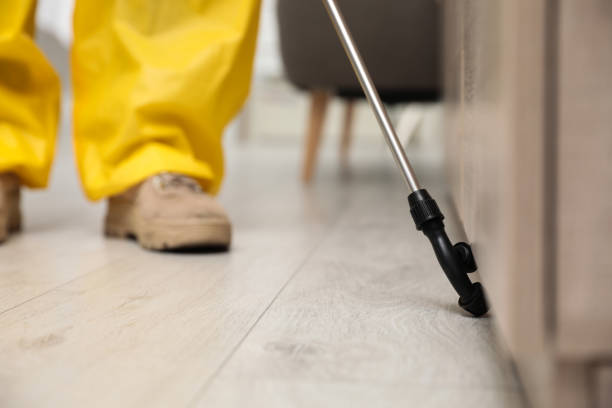
Preparing your home before a pest control treatment is an essential step to ensure the process is safe, efficient, and effective. Proper preparation allows pest control professionals to thoroughly address infestations while minimizing risks to residents. Below is a comprehensive guide on how to prepare your home for a successful pest control treatment.
Declutter Your Home
Clutter can provide hiding spots for pests and make it difficult for professionals to access key areas. Focus on the following:
– Clear floors: Remove items such as toys, shoes, and bags from the ground.
– Organize shelves: Remove unnecessary items from countertops, cabinets, and under sinks.
– Declutter closets: Keep clothing off the floor and store shoes in closed containers if possible.
By reducing clutter, you improve visibility and allow pest control experts better access to pests’ active areas.
Clean Surfaces Thoroughly
Before the treatment, ensure your home is clean. Pests are often attracted to leftover food crumbs or trash. Follow these steps:
1. Vacuum carpets, rugs, and upholstered furniture thoroughly.
2. Wipe down countertops, tables, and other surfaces in the kitchen or dining areas.
3. Empty garbage bins regularly and tie up trash bags securely.
4. Mop floors with soap or disinfectant where applicable.
A clean environment ensures that no food particles or debris interfere with the effectiveness of pest control products.
Protect Food Items
Food contamination is a serious concern during pest control treatments. Protect food by:
– Storing all edible items in airtight containers made of glass or plastic. – Removing perishable items from countertops and open kitchen spaces. – Covering cooking appliances like microwaves or stovetops with protective sheets.
For extra precautions, consider storing food away from treated areas until after the process is complete.
Relocate Pets Temporarily
Pets are sensitive to many chemicals used during treatments. It’s crucial to relocate them temporarily:
– Place dogs, cats, birds, or small animals at a friend’s house or boarding facility. – Cover fish tanks tightly with plastic wrap and turn off aerators. – Secure pet bedding and toys in sealed containers away from treated zones.
Inform your pest control provider about any pets so they can adjust their product application accordingly if needed.
Move Furniture Away From Walls
To allow access to baseboards—common entry points for pests—move furniture at least 2–3 feet away from walls wherever possible:
– Pull couches, beds, bookshelves, wardrobes away from wall surfaces. – Ensure accessibility under large furniture pieces where pests may hide (e.g., under beds).
This provides ample space for technicians to apply treatments effectively along edges where pests commonly travel.
Checklist Summary of Preparations
| Task | Action Required | Notes |
| Declutter spaces | Remove unnecessary items | Focus on pest-prone areas |
| Clean surfaces | Vacuum/mop/wipe thoroughly | Reduces food sources for pests |
| Secure food | Use airtight containers | Avoid contamination risks |
| Relocate pets | Temporary housing needed | Notify technicians about pets |
| Move furniture | Create space near walls | Enhances product application |
Following these steps ensures that your home is ready for thorough treatment while prioritizing safety for family members and pets alike.
Proper preparation not only enhances immediate outcomes but also supports long-term results by addressing environmental factors that attract pests in the first place.
Essential Tips from an Exterminator Deltona FL Before Pest Control Treatment
Proper preparation is critical for ensuring the effectiveness of professional pest control treatments. By taking the right steps before the treatment begins, you can maximize its efficiency, protect your belongings, and create a safe environment for both your household and the pest control technicians. Below is a detailed guide on what to do before your scheduled pest control service.
1. Clear Access to Problem Areas
- Move furniture away from walls.
- Clear storage areas like closets or basements where pests could be hiding.
- Ensure crawl spaces, attics, and corners are easily accessible.
By allowing technicians easy access, treatments can be applied thoroughly in all necessary spots.
2. Clean Your Home
- Vacuum floors, carpets, and rugs to remove food crumbs and pest debris.
- Wipe down countertops and tables.
- Dispose of trash promptly and securely.
Avoid mopping floors just before the treatment as it may reduce the effectiveness of chemical barriers placed by professionals.
3. Protect Food and Kitchenware
- Store food in airtight containers or remove it from areas being treated.
- Cover or store kitchen items such as dishes, utensils, cutting boards, and small appliances.
Keeping food and kitchen tools protected minimizes their exposure to chemicals used during pest control processes.
4. Relocate Pets Temporarily
| Pet Type | Recommendation |
| Dogs & Cats | Relocate them for several hours post-treatment. |
| Fish Tanks | Cover tanks with plastic wrap; turn off aerators temporarily. |
| Birds | Avoid keeping them near treated areas due to their sensitivity to chemicals. |
Communicate with your pest control provider about any specific pet-related concerns beforehand.
5. Remove Clutter
- Reduce clutter in bedrooms by organizing under-the-bed storage.
- Remove items from bathroom countertops or cabinets if treatment will occur there.
This step ensures that no hidden spaces are left untreated.
6. Launder Bedding & Fabrics
- Wash bed sheets, pillowcases, blankets, curtains, and cushion covers in hot water (at least 120°F).
- Dry fabrics on high heat settings as well since heat helps eliminate any lingering pests.
Leave mattresses exposed so that they can be effectively treated as part of the process.
Key Reminders
Before the day of service:
1. Communicate clearly with your pest control provider about specific concerns or sensitive areas in your home.
2. Alert them about children’s toys or other items requiring special handling.
3. Verify how long you should stay out of treated rooms after service completion (this varies based on chemicals used).
Proper preparation not only contributes significantly to a successful pest removal process but also protects your household members during this time while maintaining safety standards throughout the procedure.
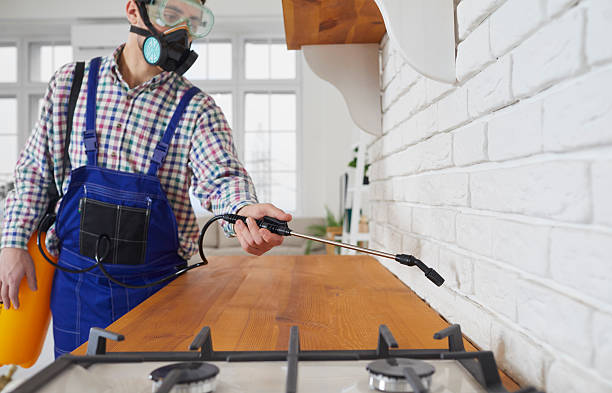
Essential Tips from a Deltona FL Pest Control Company Before Treatment
Preparing your home before a professional pest control treatment from www.deltonapestcontrol.net is critical for ensuring the process is effective and efficient. Proper preparation allows pest control professionals to target problem areas more effectively and ensures that you, your family, and your belongings remain safe during the treatment. Below are key steps you should take to prepare.
Clean and Declutter Your Space
- Vacuum floors, carpets, and upholstery to eliminate crumbs, food particles, or pest residues.
- Dispose of garbage properly and remove trash bins from treatment areas.
- Store items in sealed containers, especially in areas prone to clutter like closets, garages, or basements.
- Remove unnecessary items from countertops, shelves, or floor spaces.
Protect Food Items
- Transfer opened food products into air-tight containers made of plastic or glass.
- Relocate pantry items into cabinets entirely sealed off from the treated areas.
- Temporarily store perishable foods in the refrigerator and ensure it remains tightly closed during treatment.
Relocate Pets
- Temporarily move pets such as cats, dogs, birds, small rodents, or reptiles to another location outside the home during treatment.
- Cover fish tanks with plastic wrap and turn off pumps if they cannot be relocated.
- Wash pet bedding or toys after the treatment as an added precaution.
Move Furniture and Appliances
- Move large furniture (like sofas or beds) at least 2–3 feet away from walls.
- Pull refrigerators, stoves, washing machines, and dishwashers slightly away from their usual positions.
- Remove any stored items beneath appliances for easy access.
Ventilate Properly
| Area | Recommendation |
| Living rooms | Open windows/doors after treatment for airflow |
| Kitchens | Ventilate through exhaust fans if available |
| Bedrooms | Wait several hours post-treatment before occupancy |
Taking these preparatory steps helps eliminate obstacles that could hinder the pest control process while safeguarding your environment from harm. With these measures in place beforehand—alongside open communication with your exterminator—you’ll maximize results effectively over longer durations meanwhile minimizing toxicity concerns end-user faces directly .
Effective Tips for Pest Removal Deltona, FL: Protecting Your Food and Belongings
Properly safeguarding your food and personal belongings during a pest control treatment is crucial for both the safety of your household and the effectiveness of the treatment. Pesticides, even when applied by professionals, can pose risks if they come into direct contact with food, cookware, or other items regularly used by your family. Below is a detailed guide to help you protect your home during this process.
Why Food Protection Matters
The chemicals used in pest control treatments are designed to eliminate pests but can be harmful if ingested by humans. Ensuring that all edible items are properly stored or removed reduces the risk of contamination and ensures the safety of anyone consuming food from your home.
Steps to Protect Your Food
- Place all perishable goods such as bread, fruits, or dairy products into sealed containers or plastic bags.
- Store these items in refrigerators or cabinets that will not be treated directly.
- Any open food packages (e.g., chips, cereal) should either be placed in airtight containers or discarded if they cannot be effectively sealed.
- Avoid leaving any exposed food out on counters.
- For long-term staples like rice, flour, and beans, consider vacuum-packing them before treatment. This ensures no pesticide residue can penetrate packaging.
- Dispose of all garbage properly before the pest control team arrives. Full trash bins may attract more pests during the treatment process.
Securing Kitchenware and Utensils
- Cover Dishes and Utensils: Use clean plastic sheets to cover any exposed pots, pans, plates, or utensils left out in the kitchen.
- Store Small Appliances: Items like toasters and blenders should be unplugged and stored away in cabinets or closets if possible.
- Wipe Surfaces Before Use: After treatment is complete, wipe down countertops with soapy water before placing any cookware back onto surfaces.
Storage Recommendations for Non-Food Items
| Item Category | Recommended Action |
| Children’s Toys | Washable toys should be cleaned post-treatment if left out; non-washable toys must be stored away securely. |
| Bedding | Remove all bed linens from rooms being treated; launder them after pest control services are finished. |
| Clothing | Store clothes inside sealed garment bags or remove them from areas undergoing treatment. |
Additional Tips for Safety
- Move movable furniture away from walls so that pesticides can reach pest-prone areas without contaminating your belongings.
- Utilize plastic storage bins for small personal items like books or valuables—these bins provide an extra layer of protection against chemical exposure.
- If possible, avoid entering treated areas until recommended by professionals (typically 2–6 hours post-treatment). This minimizes any risk of accidental exposure.
Taking these precautions ensures that both your home environment remains safe after pest control treatments while also maximizing their effectiveness against infestations. Proper preparation is vital not only for protecting yourself but also for maintaining peace of mind throughout the entire process.
How to Protect Your Food and Belongings During a Pest Control Treatment
Ensuring the safety of your food and belongings during a pest control treatment is an integral part of the preparation process. Proper precautions not only help maintain hygiene and protect your household items but also ensure that the treatment is as effective as possible.
Steps to Protect Food Items
- Clear countertops, tables, and any open spaces where food is stored.
- Place all open food items in airtight containers or resealable bags to prevent chemical exposure.
- Move packaged goods, canned foods, and other non-perishable items into closed cabinets or pantries.
- For perishable goods like fruits and vegetables, consider refrigerating them temporarily if space allows.
- Cover Kitchen Surfaces:
Use plastic sheets or newspapers to cover kitchen counters, shelves, and appliances where food preparation takes place. This prevents chemical residues from coming in contact with these surfaces.
Protecting Non-Food Belongings
- Cover bedding, cushions, curtains, and other fabric-based belongings using plastic covers or bags.
- Store smaller fabric items like clothing in sealed storage bins or vacuum-sealed bags.
- Secure Valuable Items:
If you have valuable objects like jewelry or electronics in the treatment area, move them to a room that won’t be treated or store them securely in covered containers. - Remove Portable Appliances:
Small kitchen appliances such as coffee makers and toasters should be unplugged and stored away until after the treatment process is complete. - Cover Furniture:
Use drop cloths or large covers for furniture pieces such as sofas and tables that cannot be moved out of the treated areas.
Table for Quick Reference
| Household Area | Preparation Tip | Purpose |
| Kitchen | Cover countertops; store open foods securely | Prevent contamination of food prep surfaces |
| Living Room | Cover upholstery; relocate small electronic devices | Avoid chemical residue on shared-use furniture |
| Bedrooms | Protect bedding by sealing it in plastic covers | Ensure sleeping areas remain clean |
| Bathrooms | Close toilet lids; store toiletries inside cabinets | Avoid exposure of personal hygiene products |
Additional Tips for Safety
- Use Designated Storage Spaces: If you don’t have enough covered space at home for storage during pest control treatments, consider renting temporary containers.
- Communicate with Professionals: Ask your pest control provider which areas will be affected by their methods so you can focus your preparations accordingly.
- Label Stored Items: Clearly label sealed boxes or bags containing important items to avoid confusion when unpacking post-treatment.
By taking these precautions before a pest control treatment begins, you can ensure that both your food supplies and personal belongings are safeguarded against contamination while maximizing the effectiveness of the process. Proper preparation benefits not only the household but also supports a healthier living environment once pests are eradicated effectively.
Why Relocating Pets is Crucial During a Pest Control Treatment
Preparing for pest control treatment in a home involves not only protecting your belongings but also ensuring the safety of your pets. Pets can be especially vulnerable to the chemicals and procedures used during pest control treatments. Here, we’ll explore why relocating pets is essential and how to ensure their well-being during these processes.
The Risks Pest Control Poses to Pets
- Chemical Exposure: Many pesticides contain active ingredients that are toxic when inhaled, ingested, or absorbed through skin or fur.
- Behavioral Risks: Curious animals may lick or chew on treated surfaces, traps, or bait stations.
- Respiratory Issues: Fumes from certain sprays or foggers can irritate pets’ respiratory systems, particularly in animals with pre-existing conditions such as asthma.
Benefits of Temporarily Relocating Your Pets
- Minimized Exposure: Keeping pets away ensures they are not exposed to harmful chemicals or areas treated with pesticides.
- Reducing Stress: Loud noises from equipment like sprayers or fogging machines can stress animals. Relocation provides them with a calm space away from disruption.
- Effective Pest Treatment: Unhindered access allows professionals to treat areas more thoroughly without needing to accommodate pet safety.
Tips for Safely Relocating Your Pets
- Take your pets to a friend’s home, family member’s place, or even a boarding facility for the day.
- If relocation outside the home isn’t an option, designate an untreated room as their temporary area.
- Pack food, water bowls, bedding, toys, and any medications they may need if they will be staying elsewhere temporarily.
- Cover fish tanks securely with plastic wrap and turn off aeration systems while spraying is conducted nearby.
- Consider moving small aquatic habitats entirely if feasible.
- Wait for at least the recommended time (often 2–4 hours) after treatment before reintroducing pets back into the treated environment.
- Ventilate the area thoroughly by opening windows and using fans before bringing them back inside.
Safety Guidelines by Animal Type
| Pet Type | Suggested Actions |
| Dogs & Cats | Relocate if possible; otherwise isolate in an untreated room with proper ventilation |
| Birds | Highly sensitive to fumes; always relocate during treatment |
| Fish/Aquatic Animals | Cover tanks securely; turn off aeration until air clears |
| Small Mammals | Remove cages from treated areas or cover them tightly |
Long-Term Pest Management Tips With Pets in Mind
- Store pesticides in locked cabinets out of reach of pets.
- Inspect floors regularly for leftover bait crumbs or residue.
- Request pet-safe treatment options when booking pest control services.
By prioritizing your pet’s safety through careful planning and relocation during pest control treatments, you reduce potential health risks while ensuring effective pest eradication throughout your home.
Things You Should Do Immediately After a Pest Control Treatment
Once a professional pest control treatment has been administered, there are several important steps you should take to ensure the process is effective, safe, and long-lasting. Proper post-treatment care not only helps eliminate pests but also minimizes any potential risks to your family and pets. Below is a comprehensive guide outlining what you should do immediately after pest control services have been completed.
Wait Before Entering Treated Areas
One of the first things to consider is adhering to the recommended wait time before re-entering areas that were treated. Pest control professionals will typically advise you on how long to stay away from your home or specific rooms depending on the chemicals used. Following these recommendations ensures safety and allows the treatments to work effectively.
- For chemical sprays: Wait at least 2-4 hours unless otherwise instructed.
- For fumigation treatments: Re-entry may require 24-48 hours.
Always confirm with your pest control provider regarding specific timelines for your home.
Open Windows and Ventilate
After re-entering your home, it’s important to improve air circulation by opening all windows and doors. Ventilation helps remove any lingering odors or residual vapors that may have accumulated during the treatment process.
- Use fans or turn on exhaust systems for faster air exchange.
- Focus on enclosed spaces like bathrooms or closets where air tends to stagnate.
Clean Surfaces Carefully
- Dry Dusting: Lightly dust surfaces with a dry cloth before using them.
- Spot Cleaning: Use mild soap and water only in areas where direct contact with pesticides occurred (as per professional advice). Avoid heavy cleaning of treated baseboards or corners since this could reduce the effectiveness of the application.
- Vacuum Carpets: If instructed by your pest control provider, vacuum carpets and rugs after 24 hours to remove dead pests while keeping treatment intact.
Dispose of Dead Pests and Contaminated Items
- Wear gloves when handling dead pests.
- Place them in sealed bags before disposing of them in an outdoor bin.
- Sanitize areas where pests were found using appropriate disinfectants.
If bedding materials (e.g., rodent nests) were contaminated during a rodent infestation, dispose of these items as well under professional guidance.
Monitor for Activity
- Look out for unusual pest activity near exit points such as cracks around doors/windows.
- Note any live insects appearing sluggish—this often indicates exposure to chemicals.
- Keep track of problematic spots so they can be addressed during follow-up treatments if necessary.
Reintroduce Pets Safely
- Wash pet bedding if it was removed prior to treatment.
- Clean food bowls or toys that may have been exposed accidentally.
- Allow aquariums adequate ventilation if covered during pesticide application.
| Task | Suggested Timeframe | Notes |
| Re-enter home | As per professional advice | Typically 2–48 hours depending on method |
| Ventilate treated areas | Immediately after re-entry | Open windows/doors thoroughly |
| Surface cleaning | After initial airing-out | Focus on essential zones like counters |
| Dispose of pests | As soon as discovered | Use gloves and seal bags properly |
Taking these proactive measures ensures both safety and results while prolonging the efficacy of the pest control treatment in your home. Always consult your pest management professional if questions arise regarding specific post-treatment guidelines tailored to your situation or environment.
Comprehensive Overview of Professional Pest Control Services
Professional pest control services play a vital role in maintaining a safe and healthy living environment. Understanding what these services entail can help homeowners and businesses make informed decisions when dealing with pest infestations. Below is an overview of the key aspects of professional pest control services, their benefits, and what to expect during the process.
What Do Professional Pest Control Services Include?
- Identification of the type of pests (e.g., rodents, termites, ants, etc.).
- Assessment of the severity and extent of the infestation.
- Evaluation of conditions contributing to the pest problem, such as moisture or structural issues.
- Development of a treatment plan based on the type and level of infestation.
- Use of appropriate treatment methods (chemical sprays, baiting systems, heat treatments, etc.).
- Consideration for eco-friendly or organic solutions when requested by the client.
- Application of pesticides or other treatment methods in targeted areas.
- Use of safety measures to minimize risks to humans, pets, and non-target species.
- Regular monitoring to ensure pests are eradicated and do not return.
- Adjustments to treatment plans if new issues arise.
Benefits of Professional Pest Control Services
- Expertise: Trained technicians have deep knowledge about pest behavior and effective treatment strategies.
- Time Efficiency: Professionals can resolve issues quickly and thoroughly compared to DIY methods that may take longer or fail entirely.
- Safety: They use approved products that are less likely to pose risks when applied correctly.
- Long-Term Prevention: Most services include recommendations for long-term prevention measures such as sealing entry points or removing attractants like food waste.
- Peace of Mind: Knowing your home or business is protected from future infestations can reduce stress significantly.
Types Of Common Pest Control Treatments
| Treatment Method | Description | Best For |
| Chemical Sprays | Use of liquid pesticides applied in affected areas | Cockroaches, ants, bedbugs |
| Baiting Systems | Placement of bait traps that attract pests like rodents or ants | Mice, rats |
| Heat Treatments | High temperatures used to eliminate certain pests | Bedbugs |
| Fumigation | Release of fumigants (gas) into sealed spaces | Severe termite infestations |
| Organic Methods | Non-toxic treatments such as diatomaceous earth or essential oils | Environmentally conscious homes |
What To Expect During A Service Visit
- Be prepared for an initial consultation where technicians will inspect your property thoroughly.
- Discuss concerns such as specific pests you’ve noticed or areas where activity seems high.
- Follow any pre-treatment instructions provided by the company (e.g., moving furniture away from walls).
- Expect technicians to provide documentation outlining their findings along with proposed solutions.
Post-Treatment Care Suggestions
After receiving professional pest control treatments: – Wait for any recommended time before re-entering treated areas. – Clean surfaces only as instructed by technicians—some treatments work better when undisturbed. – Continue monitoring your space for signs that suggest effectiveness (or lack thereof).
By understanding what professional pest control services involve and their benefits, you can ensure a smoother process while addressing any existing concerns effectively.
- How to Properly Prepare Your Home for Effective Deltona Pest Control Treatment
- Understanding Deltona Pest Control and the Different Types of Pest Control Services
- Your Ultimate Guide to Choosing the Best Deltona FL Pest Control Company
- Essential Tips for Choosing the Right Deltona Pest Control Service
- Discover the Advantages of Choosing Deltona Pest Control for Your Home or Business
- How a Deltona FL Pest Control Company Can Help Eliminate Unwanted Pests
- Effective Deltona Pest Control Methods for a Pest-Free Home
- Effective Deltona Pest Control: How Mice Sneak Into Your Home and Ways to Stop Them
Understanding Deltona Pest Control and the Different Types of Pest Control Services
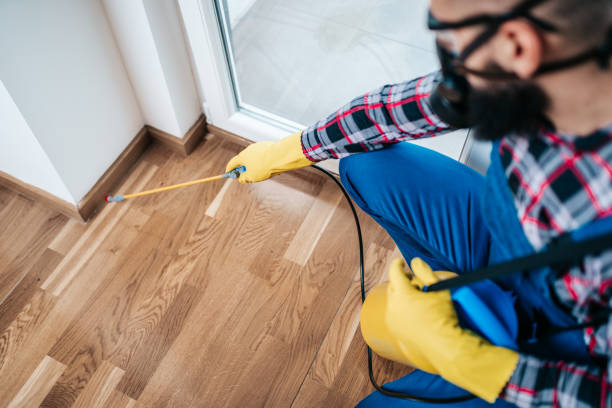
These pests may include insects, rodents, termites, or even fungi that damage crops, food supplies, or structures. The objective of pest control is to minimize the impact of these pests through various techniques and services offered by professionals.
Types of Pest Control Services
1. Residential Pest Control
This type focuses on controlling pests in homes and residential properties.
– Ants
– Cockroaches
– Termites
– Spiders
– Rodents
Services may include targeted treatments for each pest type as well as preventive solutions like sealing entry points.
2. Commercial Pest Control
Commercial pest control ensures that businesses remain pest-free to comply with health regulations and maintain a safe working environment.
– Restaurants and food service providers
– Warehouses and storage facilities
– Offices and retail spaces
Services typically involve routine inspections, ongoing monitoring systems, and quick response treatments.
3. Termite Control Services
Termites can cause extensive damage to wood structures if left untreated.
– Inspection for signs of infestation (mud tubes, hollow wood sounds)
– Liquid barrier treatments around foundations
– Baiting systems for long-term colony elimination
4. Wildlife Removal Services
This service handles larger pests like raccoons, squirrels, or bats that invade attics or other areas of a property.
– Humane trapping methods for relocation
– Sealing entry points to prevent re-entry
5. Integrated Pest Management (IPM)
IPM combines multiple strategies to reduce pest populations while minimizing environmental harm.
1) Biological controls – introducing natural predators
2) Mechanical controls – traps or barriers
3) Cultural practices – removing standing water or improving sanitation
| Service Type | Primary Focus Areas/Pests Treated | Key Methods Used |
| Residential Pest Control | Ants, cockroaches, rodents | Spot treatments & preventative sealing |
| Commercial Pest Control | General workplace infestations | Regular monitoring & inspections |
| Termite Control | Termites damaging wood structures | Bait systems & foundation liquid barriers |
Specialty Services
Certain providers also offer unique services tailored for less common infestations such as bed bugs or mosquitoes. Understanding the diverse range of services allows property owners to choose effective solutions suited for their specific needs.
Effective Pest Solutions by an Exterminator Deltona FL: Common Pests and How They Are Handled
Pests can pose a significant threat to homes, businesses, and overall well-being. Below is an overview of common pests targeted by pest control providers and the methods used to address them effectively.
Rodents are notorious for causing structural damage and spreading diseases like salmonella and hantavirus.
- Identification: Pest professionals inspect for droppings, gnaw marks, nesting materials, and entry points.
- Trapping: Use of mechanical traps like snap traps or live traps.
- Baiting: Placement of rodenticide baits in tamper-resistant stations.
- Exclusion: Sealing cracks, gaps, and other potential entry points to prevent reentry.
Cockroaches are resilient pests that thrive in warm, damp environments. They are known carriers of allergens and pathogens that can impact human health.
- Identification: Signs include droppings (similar to coffee grounds), shed skins, egg cases, or sightings during nighttime.
- Gel Baiting: Application of gel bait in areas frequented by cockroaches.
- Dust Insecticides: Use in voids or cracks where cockroaches hide.
- Sanitation Guidance: Recommendations for reducing food sources such as crumbs or grease residues.
Termites are considered one of the most destructive pests due to their ability to silently damage wooden structures over time.
- Identification: Look for mud tubes on walls or foundations, damaged wood that sounds hollow when tapped, or discarded wings near windowsills.
- Liquid Treatments: Application of termiticides around the building’s foundation to create a barrier.
- Bait Stations: Strategic placement of bait systems that termites consume and carry back to their colonies.
- Wood Treatments: Use of borate solutions on affected wood for added protection.
Ant infestations can range from harmless nuisance ants to more destructive species like carpenter ants that compromise wooden structures.
- Identification: Presence of ant trails (indoors or outdoors), small piles of dirt near entry points (ant nests), or structural damage in wooden areas.
- Baiting Systems: Placement along trails where ants carry poison back to the colony.
- Perimeter Treatments: Spraying insecticides around the foundation or entry points.
- Addressing moisture issues that attract specific species like carpenter ants.
Table Example – Comparison Between Treatment Methods
| Pest | Non-Chemical Methods | Chemical Methods |
| Rodents | Traps, sealing entry points | Rodenticides |
| Cockroaches | Sanitation | Gel baiting, dust insecticides |
| Termites | Physical barriers | Liquid treatments, bait stations |
| Ants | Natural repellents | Perimeter sprays |
Preventive Measures by Pest Type
- Keep food stored in airtight containers.
- Trim vegetation near buildings to reduce hiding spots.
- Regularly clean kitchen surfaces and remove clutter where roaches may hide.
- Ensure proper drainage around your property’s foundation to discourage moist conditions conducive to termite activity.
By addressing both current issues and potential vulnerabilities within a property’s structure or environment, they ensure effective eradication while minimizing future risks.
Common Pests Targeted by a Deltona FL Pest Control Company and How They Are Handled
Pests can pose significant challenges in both residential and commercial spaces, affecting health, property value, and overall comfort. Below, we explore some of the most frequently encountered pests and the methods employed by professionals to address them.
Rodents can cause structural damage, contaminate food supplies, and spread diseases such as hantavirus and leptospirosis.
Handling Techniques: – Inspection:Professionals assess entry points, nesting areas, and signs of activity (e. g. , droppings or chew marks).Trapping:Use of snap traps or live traps placed strategically in high-activity zones.Baiting:Safe placement of rodenticides in tamper-resistant bait stations.Exclusion Measures:Sealing gaps and cracks to prevent future infestations.
Cockroaches are notorious for contaminating surfaces with pathogens like E. coli and salmonella. Their rapid reproduction makes them a persistent problem.
Handling Techniques: – Sanitation Recommendations:Identifying areas of clutter or food buildup that attract cockroaches.Chemical Treatments:Use of residual insecticides in cracks, crevices, and high-traffic zones.Gel Baits:Application in hidden spaces where cockroaches tend to hide during the day.Monitoring Stations:Placement of glue traps to track infestation levels over time.
Termites silently destroy wood structures from within, often causing thousands of dollars in damage before being detected.
Handling Techniques: – Soil Treatments:Application of liquid termiticides around the foundation creates a protective barrier.Bait Systems:Installation of termite bait stations near problem areas to eliminate colonies gradually.Fumigation (in extreme cases):Whole-space fumigation may be necessary for widespread infestations.
| Type | Detection Method | Key Solution |
| Subterranean | Mud tubes along walls/foundations | Soil treatment & baiting systems |
| Drywood | Frass pellets near wood | Spot treatment or fumigation |
Ant infestations often occur in kitchens or pantries due to easy access to food sources.
Handling Techniques: – Identification:Differentiating between species like carpenter ants (damage wood) vs. sugar ants (seek food).Baits:Use slow-release toxic baits carried back to colonies by worker ants.Perimeter Treatments:Spraying insecticides around windows, doors, and other entry points.
Bed bugs are small but highly disruptive pests that feed on human blood during rest periods.
Handling Techniques: – Inspection Tools:Special equipment like bed bug detection dogs may be used for precise identification.Heat Treatments:Professionals use controlled heat systems to kill bed bugs at all life stages.Chemical Sprays:Application in furniture seams, mattresses, and other hiding spots.
While most spiders are harmless, some species like black widows or brown recluses can pose health risks through their venomous bites.
Handling Techniques:- Dusting voids with insecticidal powders for inaccessible spaces. – Removing webs regularly as part of maintenance efforts.
Advantages of Professional Pest Removal Deltona, FL
1. Preventive inspections at scheduled intervals.
2. Education on reducing attractants like moisture or clutter indoors.
3. Implementation of eco-friendly techniques when possible for safe applications around children or pets.
By addressing each pest with specialized approaches tailored to its biology and behavior patterns—professionals ensure long-term solutions rather than temporary relief from infestations.
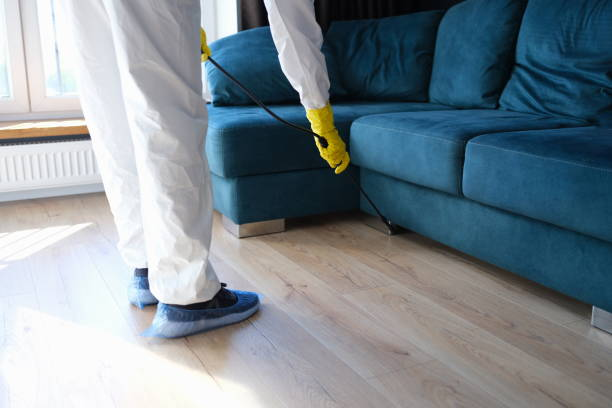
Exploring the Most Effective Methods Used for Professional Pest Extermination
Professional pest extermination involves a range of methods tailored to effectively eliminate pests while minimizing risks to humans, pets, and the environment. Each method is chosen based on the type of pest, level of infestation, and environmental considerations. Below are some of the most effective methods used by pest control experts.
Chemical treatments are one of the most common and effective ways to handle severe infestations efficiently. These involve the application of pesticides that target specific pests.
- Residual Sprays: Applied on surfaces where pests are likely to crawl or nest.
- Bait Stations: Used for pests like ants and cockroaches, these stations attract pests with food before killing them with poison.
- Aerosol Insecticides: Useful for hard-to-reach places such as cracks or wall voids.
While effective, chemical treatments should be administered by licensed professionals to ensure safety and compliance with regulations.
Biological control involves using living organisms to suppress pest populations naturally. This eco-friendly approach is particularly useful in agricultural settings.
- Predatory Insects: Ladybugs and lacewings are introduced to control aphids.
- Parasitic Wasps: Target pests like caterpillars by laying eggs inside them.
- Microbial Agents: Certain bacteria or fungi can be used against insects such as termites or mosquitoes.
This method reduces reliance on harmful chemicals and promotes sustainable pest management.
Physical control techniques focus on blocking entry points or physically removing pests from an environment. These methods work well for small-scale infestations or preventive measures.
- Glue traps for insects.
- Snap traps for rodents.
- Live traps for humane removal.
- Sealing cracks and gaps in walls or windows.
- Installing screens over vents.
- Heat Treatments: Raising room temperatures above certain thresholds can eliminate bed bugs and other heat-sensitive pests.
These solutions are non-toxic but may require professional installation or application to ensure effectiveness.
Integrated Pest Management is a holistic approach combining multiple strategies to manage pests effectively while minimizing environmental impact.
Key elements of IPM include: | Step | Description | |——————–|—————————————————————————–| | Monitoring | Regular inspections to identify pest activity and assess infestation levels | | Identification | Determining the specific type of pest causing problems | | Prevention | Implementing structural changes like sealing entry points | | Control | Applying targeted methods such as baits, traps, or biological agents |
IPM focuses on long-term solutions rather than temporary fixes, making it a preferred approach in both residential and commercial settings.
Fumigation is a method used primarily for severe infestations that cannot be controlled through other means. It involves sealing off an area and releasing gaseous pesticides into the space.
Applications: – Whole-home fumigation for termites. – Grain storage fumigation in agricultural warehouses.
Although highly effective, fumigation requires careful planning and professional oversight due to its potential risks.
By utilizing these diverse approaches, professional pest exterminators can address infestations with precision while promoting safety and sustainability where possible.
Types of Preventive Measures for Long-Term Pest Management and Their Importance
Preventive measures play a vital role in ensuring that pests do not invade your living or working spaces. Rather than just addressing infestations after they occur, preventive pest management focuses on creating an environment that discourages pests from entering or thriving. Below, we explore the various preventive strategies for long-term control and why they are essential.
Key Preventive Measures for Pest Management
- Inspect your home or office for cracks, crevices, and gaps around doors, windows, and foundations.
- Use caulk, weather-stripping, or steel wool to seal these openings.
- Ensure screens on windows and vents are intact and tightly fitted.
- Maintain a clean environment by promptly disposing of garbage and thoroughly cleaning food preparation areas.
- Vacuum carpets and upholstery regularly to eliminate crumbs.
- Keep storage spaces organized to reduce hiding areas for pests.
- Store food in airtight containers to prevent access by pests like ants, rodents, or cockroaches.
- Avoid leaving pet food out overnight as it can attract pests.
- Fix leaks in plumbing systems to eliminate water sources that attract pests such as termites and cockroaches.
- Use dehumidifiers in damp areas like basements to reduce humidity levels.
- Keep shrubs and trees trimmed back from the exterior walls of your property to deter insects from gaining access indoors.
- Remove clutter such as piles of wood or debris around your yard where pests may nest.
- Schedule regular inspections with a professional pest control provider to identify potential vulnerabilities before they develop into major infestations.
The Importance of Preventive Measures
Implementing preventive measures is crucial not only for maintaining a pest-free environment but also for safeguarding health, property, and resources.
| Benefits | Explanation |
| Health Protection | Prevents exposure to diseases carried by pests such as rodents or mosquitoes. |
| Cost Savings | Reduces the need for costly extermination services once infestations occur. |
| Structural Integrity | Protects buildings from damage caused by termites or other invasive species. |
| Environmental Responsibility | Minimizes reliance on chemical treatments by stopping problems before they start. |
Long-Term Outcomes of Effective Prevention
A well-maintained prevention plan fosters long-term peace of mind by reducing the likelihood of frequent invasions while promoting healthier living conditions. Combined with professional pest control consultations when needed, adopting preventive strategies ensures both economic efficiency and ecological sustainability over time.
By focusing on prevention rather than reactionary treatments alone, you can create an inhospitable environment for pests while protecting your home or workplace from future infestations effectively.
The Benefits of Choosing Organic Pest Management Over Traditional Chemical-Based Treatments
Organic pest management has gained significant traction over the years as more individuals and organizations prioritize health, safety, and environmental sustainability. Unlike traditional chemical-based treatments, organic pest control focuses on utilizing natural methods and substances to address pest problems effectively while minimizing harm to people and the environment. Below, we delve into the key benefits of organic pest management and why it is a preferred choice for many homeowners and businesses.
Healthier for Humans and Pets
One of the most significant advantages of organic pest control is its emphasis on safety. Traditional pesticides often contain harsh chemicals that can pose health risks to humans and animals, especially when used indoors or in poorly ventilated spaces. Organic solutions use natural ingredients such as plant-based oils, minerals, or biological agents that are non-toxic to humans and pets.
- Minimal allergic reactions: Many chemical-based products contain allergens or harsh compounds that may trigger respiratory issues or skin irritations. Organic alternatives reduce such risks significantly.
- Pet-safe solutions: Household pets are often vulnerable to harmful residues from chemical pesticides. Organic methods are designed with their safety in mind.
Environmentally Friendly Approach
Traditional chemical treatments can have long-lasting effects on the environment due to soil contamination, water pollution, and harm to non-target species such as beneficial insects (e. g. , bees) or birds. Organic pest control methods aim to limit these impacts by utilizing eco-friendly practices.
- Biodegradable substances: Organic treatments break down naturally without leaving harmful residues in soil or water systems.
- Targeted application: These solutions focus specifically on pests without disrupting local ecosystems or harming beneficial organisms like pollinators.
| Aspect | Chemical-Based Treatments | Organic Pest Control |
| Residue impact | Toxic residues in soil/water | Biodegradable; minimal impact |
| Effect on beneficial insects | High risk | Minimal risk |
| Sustainability | Non-renewable resources | Sustainable materials |
Long-Term Solutions Through Prevention
Organic pest management often emphasizes prevention rather than simply eradicating pests after an infestation occurs. This proactive approach helps create a more sustainable solution for long-term pest control.
Key preventive measures include: – Sealing entry points like cracks and crevices around doors and windows. – Promoting healthy soil through composting rather than relying on synthetic fertilizers. – Introducing natural predators such as ladybugs or nematodes to manage specific pests biologically.
By integrating these measures with organic practices, property owners can reduce the likelihood of recurring infestations while creating a healthier living environment.
Reduced Risk of Pest Resistance
Over time, pests exposed to chemical pesticides can develop resistance, making them harder to eliminate. Organic methods target pests through diverse strategies—such as using crop rotation techniques or releasing pheromones—which reduce the likelihood of resistance development.
Examples include: – Neem oil: A naturally derived solution that disrupts insect growth cycles without causing resistance buildup.Diatomaceous earth: A physical barrier method that dehydrates pests like ants or cockroaches without relying on synthetic chemicals.
Supporting Local Ecosystems
Using organic pest management not only addresses immediate concerns but also supports broader ecological stability. For example: – Encouraging biodiversity by preserving helpful species. – Reducing water contamination risks from pesticide runoff.
These practices ensure a balanced ecosystem where natural processes regulate pest populations effectively over time.
By prioritizing health, sustainability, and long-term effectiveness, organic pest management provides a safer alternative for households and businesses seeking environmentally conscious solutions while maintaining high standards of efficacy.
Why Professional Pest Control Services Are Essential for a Healthy Living Environment
Maintaining a healthy living environment is critical to ensuring the well-being of your household or workplace.
Pests such as rodents, cockroaches, and mosquitoes are carriers of harmful diseases that can pose significant health risks to humans, including:
– Rodents: Spread diseases like hantavirus and salmonella through their droppings or bites.
– Cockroaches: Trigger asthma and allergies while spreading bacteria like E. coli and Salmonella.
– Mosquitoes: Transmit dangerous illnesses such as malaria, dengue fever, Zika virus, and West Nile virus.
Rodentschew through electrical wiring, increasing the risk of fires.Beetlesor borers can damage furniture and flooring.
Trained pest control providers use targeted treatments to eliminate these destructive pests while preserving the integrity of your home or workplace.
While some may view professional pest control as an expense, it is an investment in long-term savings.
– Avoidance of expensive repairs due to pest-induced damage (e. g. , termite treatment vs replacing damaged wood).
– Prevention of food contamination caused by pests like ants or pantry moths reduces wasted supplies.
By addressing issues at their root cause with professional intervention, you minimize recurring expenses associated with DIY measures that often fail.
Certified pest control technicians use advanced methods tailored to specific infestations while ensuring minimal impact on human health or the environment: – Targeted chemical applications only where necessary. – Eco-friendly options such as heat treatments or biological controls. – Integrated Pest Management (IPM) strategies combining prevention with treatment for sustainable outcomes.
Their expertise ensures effective results without unnecessary exposure to harmful substances.
Living in an environment free from pests fosters peace of mind for occupants: – No need to worry about spotting pests unexpectedly in areas like kitchens or bathrooms. – Confidence knowing food storage areas remain uncontaminated. – Assurance your family’s health is safeguarded against potential threats posed by infestations.
Professional services provide thorough inspections and monitoring solutions that keep pests at bay long-term.
Table: Common Pests & Their Associated Risks
| Pest | Key Risks | Common Locations |
| Cockroaches | Allergies; spread bacteria | Kitchens, bathrooms |
| Termites | Wood structure damage | Wooden furniture; foundations |
| Rodents | Disease transmission; electrical fires | Basements; attics |
| Mosquitoes | Malaria; Zika; dengue fever | Stagnant water areas |
By understanding these risks, it becomes evident how vital professional expertise is in mitigating both health hazards and property concerns effectively.
A combination of timely intervention by professionals alongside preventive strategies helps maintain a hygienic space while extending the longevity of your property’s infrastructure – making professional pest control not just essential but invaluable for any living environment seeking sustainability and safety alike.
- How to Properly Prepare Your Home for Effective Deltona Pest Control Treatment
- Understanding Deltona Pest Control and the Different Types of Pest Control Services
- Your Ultimate Guide to Choosing the Best Deltona FL Pest Control Company
- Essential Tips for Choosing the Right Deltona Pest Control Service
- Discover the Advantages of Choosing Deltona Pest Control for Your Home or Business
- How a Deltona FL Pest Control Company Can Help Eliminate Unwanted Pests
- Effective Deltona Pest Control Methods for a Pest-Free Home
- Effective Deltona Pest Control: How Mice Sneak Into Your Home and Ways to Stop Them
Your Ultimate Guide to Choosing the Best Deltona FL Pest Control Company
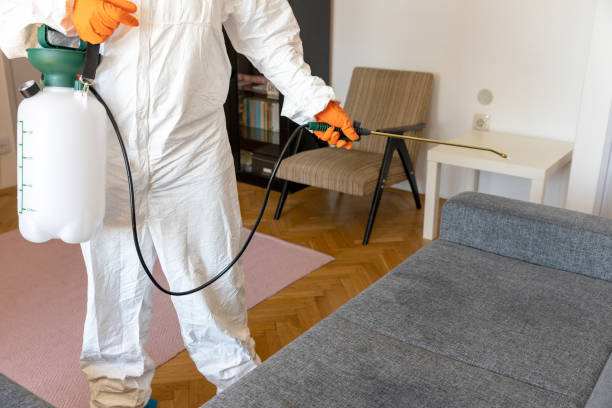
Household pests can disrupt daily life, damage your property, and pose health risks. Identifying these unwelcome guests early is crucial to preventing infestations and maintaining a clean, safe home. Here is a comprehensive guide to help you identify and eliminate common household pests effectively.
Common Household Pests and How to Identify Them
- Appearance: Small insects varying in size (typically 1/16 to 1/2 inch), with a narrow waist and elbowed antennae.
- Signs: Trails of ants near food sources, small piles of dirt (ant nests), or visible colonies around foundation walls.
- Appearance: Flat, oval bodies with long antennae; colors range from brown to black.
- Signs: Droppings resembling coffee grounds or black pepper, unpleasant odors, or shed skins near hidden areas like cabinets or under sinks.
- Appearance: Soft-bodied insects with straight antennae; often mistaken for ants but more robust in build. They may appear pale or white in color.
- Signs: Hollow-sounding wood, mud tubes on walls or foundations, discarded wings near window sills.
- Appearance: Small (under 5 mm), flat-bodied insects that are reddish-brown in color.
- Signs: Rust-colored stains on bedding from crushed bugs, red bites on exposed skin while sleeping, small dark droppings along mattress seams.
- Appearance: Silvery-gray body with a fish-like shape and small bristle tails at the back.
- Signs: Holes in paper products like books or wallpaper; their presence often indicates excess moisture indoors.
Effective Measures for Eliminating Common Pests
Once identified, taking prompt action is critical to curbing pest populations before they spread throughout your home.
- Seal cracks and entry points using caulk or weatherstripping.
- Clean up food spills immediately and store items in airtight containers.
- Use bait traps containing slow-acting insecticides near ant trails.
- Maintain cleanliness by regularly disposing of garbage and vacuuming crumbs.
- Fix any water leaks since cockroaches thrive in moist environments.
- Apply gel baits under sinks or behind appliances where roaches hide.
- For Termites:
| Preventive Measures | Treatment Options | |————————————–|————————————–| | Remove wood debris from around your home.| Use liquid termiticides for soil treatment.| | Ensure proper ventilation in crawl spaces.| Install baiting systems near affected areas.|- Wash infested bedding and linens at high temperatures (over 120°F).
- Vacuum mattresses thoroughly and use protective bed covers to trap bugs inside.
- Consider professional heat treatments for severe infestations.
Best Practices for Preventing Infestations
- Regularly inspect windowsills, door frames, attics, basements, and crawlspaces for signs of pest activity.
- Eliminate standing water sources indoors and outdoors to deter mosquitoes.
- Store firewood away from exterior walls as it can attract termites and other pests like ants.
- Reduce clutter that provides hiding spaces such as cardboard boxes or piles of newspapers.
By practicing vigilant inspection habits combined with targeted elimination strategies tailored to each pest type listed above—homeowners can maintain a hygienic environment free from harmful invaders year-round without resorting solely upon pesticides alone if non-toxic methods suffice early enough toward early stages management efforts prevention overall improvement living standards conditions safely longer-term dividends clarity purpose controlling measures proactively ensuring peace mind security stability assuredly remain ordered calm living spaces families thrive together sustained cleaner smarter ways approaches balance harmony attainable logical paths tasks cleanup manageable scales effort reduced future risks stress burdens alike tackled head-on rational solutions planned progress buildup easily grasp handled simple terms straightforward actionable steps clean healthy results everyone benefits practical manner addressing real concerns.Requires rewrite…
Effective Deltona Pest Control Solutions for Ants, Cockroaches, and Termites
Managing infestations caused by ants, cockroaches, and termites requires a proactive and strategic approach. Each pest presents unique challenges to homeowners and businesses due to their distinct behaviors, habitats, and reproductive cycles. Below is a detailed guide on identifying these pests and implementing comprehensive solutions for their elimination.
Effective Pest Removal in Deltona, FL: Identifying Ants, Cockroaches, and Termites
The first step in pest control is accurate identification. Recognizing the differences among ants, cockroaches, and termites will help you choose the most effective treatment methods.
| Pest | Key Characteristics | Common Locations |
| Ants | Small body segments (head-thorax-abdomen), elbowed antennae | Kitchens, pantries, near food crumbs |
| Cockroaches | Flat oval body shape, long antennae; reddish-brown or black in color | Bathrooms, basements, dark spaces |
| Termites | Soft-bodied insects with straight antennae; similar to ants but lack segmented waists | Wooden structures or furniture |
1. Ant Control
Ant infestations are one of the most common household issues. To eliminate them:
– Sanitation: Regularly clean surfaces to remove food crumbs or spills that attract ants. Store food in sealed containers.
– Natural Remedies: Use a solution of vinegar and water near entry points like windows or door frames.
– Baiting Systems: Place ant baits where trails are observed. These contain slow-acting toxins that worker ants carry back to their colony. – Sealing Entry Points: Inspect your home for cracks around windows and doors. Use caulk or weather stripping to block access.
2. Cockroach Control
Cockroaches are resilient pests that thrive in moist environments with access to food waste. Here’s how to manage them effectively: – Eliminate Moisture Sources: Fix leaky pipes or faucets immediately as cockroaches need water for survival. – Use Gel Baits: Apply gel baits under sinks or behind appliances where cockroach activity is highest. – Insect Growth Regulators (IGRs): These chemicals disrupt the cockroach lifecycle by preventing nymphs from maturing into adults. – Deep Cleaning Practices: Vacuum hard-to-reach areas like baseboards or underneath furniture regularly.
3. Termite Management
Termites can cause extensive structural damage if left untreated. Effective termite control includes both preventative steps and active treatments: – Routine Inspections: Check wooden structures for signs of mud tubes or hollow-sounding wood regularly. – Chemical Barriers: Professional termite treatments often involve soil-applied termiticides that act as barriers against infestations. – Bait Stations: Deploy bait traps around your home’s perimeter to attract termites away from structures while delivering slow-releasing toxins. – Moisture Management: Reduce moisture levels in crawl spaces or basements by improving ventilation and using dehumidifiers.
Preventative Measures
- Keep your kitchen free of food debris by wiping counters immediately after meals.
- Seal cracks in walls or foundations using silicone caulk to eliminate entry points.
- Store firewood at least 20 feet away from your home’s exterior wall to minimize termite risks.
- Regularly dispose of garbage using tightly sealed bins.
- Trim bushes or shrubs near windows as they may serve as bridges for ants or other pests.
By taking these preventative actions combined with targeted pest control methods tailored specifically for ants, cockroaches, and termites, you can reduce the likelihood of recurring infestations significantly while safeguarding your property from future damage effectively.
How to Safeguard Your Home from Bed Bugs, Mosquitoes, and Spiders
Protecting your home from bed bugs, mosquitoes, and spiders requires a combination of prevention techniques, routine maintenance, and strategic pest management approaches. These pests not only cause discomfort but can also pose health risks if left unchecked. This guide outlines effective methods to safeguard your home against these common intruders.
Bed Bugs: Prevention and Control
Bed bugs are resilient pests that spread easily and are notoriously difficult to eliminate once they infest a home. Preventative measures are key in keeping them at bay.
Tips for Preventing Bed Bugs:
– Inspect Secondhand Furniture: Before bringing used furniture or mattresses into your home, thoroughly inspect them for signs of bed bugs, such as reddish-brown stains or live insects. – Use Protective Covers: Encase mattresses and box springs in durable, bed-bug-proof covers to limit hiding spots. – Minimize Clutter: Reduce clutter around beds and furniture where bed bugs can hide. – Wash Bedding Frequently: Launder sheets, pillowcases, and blankets in hot water (above 120°F) to kill any potential insects or eggs.
In case of an infestation:
1. Vacuum affected areas daily – focus on cracks and crevices around the bed frame. 2. Use steam cleaning on furniture upholstery as heat effectively kills both adult bugs and their eggs. 3. Consider hiring professional pest control services for severe infestations.
Mosquitoes: Prevention Strategies
Mosquitoes are not just annoying—they are known carriers of diseases such as West Nile Virus, Zika Virus, and malaria. Controlling mosquitoes begins with eliminating breeding grounds around your home.
Steps to Minimize Mosquito Breeding Sites:
– Remove standing water from buckets, tires, pet bowls, flower pots, or tarps after rain. – Clean gutters regularly to ensure proper drainage. – Keep swimming pools treated with appropriate chemicals when not in use.
For day-to-day protection:
| Method | Description |
|—————-|———————————————–|
| Install Screens | Add fine-mesh screens on windows/doors to block entry. |
| Use Insect Repellent | Apply EPA-certified repellents containing DEET or picaridin when outdoors. |
| Plant Natural Deterrents | Incorporate plants like citronella grass, marigold, or lavender around outdoor spaces.|
Spiders: Minimizing Their Presence Indoors
Although most spiders are harmless and even beneficial by eating other insects, their webs can be unsightly indoors. Certain species may also bite if provoked.
Preventive Measures Against Spiders:
– Seal Cracks and Gaps: Use caulk or weather stripping to close entry points along walls/windowsills. – Reduce Indoor Lighting at Night: Bright lights attract insects that serve as food sources for spiders; consider using yellow bug lights outside instead. – Keep Indoor Spaces Clean: Regularly vacuum corners behind furniture where spiders often spin webs.
Natural Spider Repellents:
Several essential oils repel spiders while being safe for use indoors: – Peppermint Oil Spray: Mix 10 drops of peppermint essential oil with water; spray window frames/sills weekly. – Vinegar Solution: A 1:1 mix of vinegar and water is another effective deterrent.
By implementing these strategies consistently throughout the year—alongside regular inspections—you can significantly reduce the likelihood of infestations by bed bugs, mosquitoes, or spiders in your home while maintaining a comfortable living environment free from unwelcome pests.
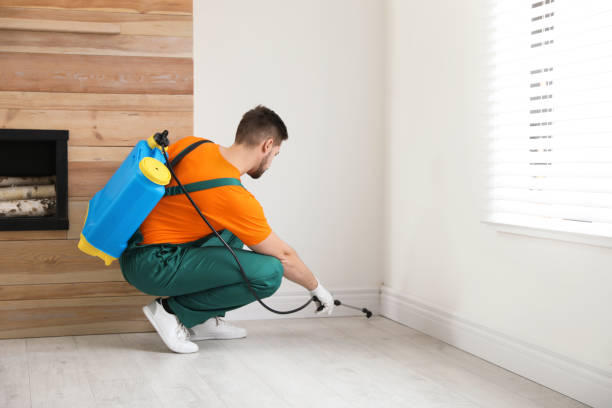
The Hidden Dangers of Silverfish and How to Prevent an Infestation
Silverfish are one of the most elusive household pests, often going unnoticed until they cause damage. These small, wingless insects are named for their silvery-gray appearance and fish-like movements. While they do not pose direct health risks to humans, silverfish can cause significant damage to personal belongings, contaminate food sources, and even worsen allergies for sensitive individuals. Understanding their behavior and implementing preventive measures is crucial in keeping your home safe.
Why Silverfish Are a Problem
- Silverfish feed on starchy materials such as paper, glue, books, and wallpaper.
- They may destroy important documents or family heirlooms like photographs over time.
- They are attracted to food items high in carbohydrates like flour, cereals, and sugar.
- Once silverfish infest a pantry or kitchen storage area, they can contaminate food with their droppings and shed skin.
- Their scales and feces are known to accumulate over time, potentially triggering allergies or respiratory issues in sensitive individuals.
Common Signs of a Silverfish Infestation
- Sightings: Spotting live silverfish around sinks, bathtubs, or dark corners.
- Damage: Noticing irregular holes in paper products (books, wallpaper) or chewed-on clothing.
- Droppings: Small black pepper-like droppings near infested areas.
- Shedding: Finding scales or skin left behind by molting insects.
Effective Prevention Strategies for Silverfish
- Silverfish thrive in humid environments (above 75% humidity). Use dehumidifiers and ensure proper ventilation in damp areas like basements and bathrooms.
- Fix leaking pipes or faucets that create moisture-prone conditions.
- Store dry foods like cereals and flour in airtight containers made of metal or glass.
- Keep bookshelves clean and avoid leaving stacks of papers unattended for long periods.
- Inspect your home’s foundation and walls for cracks or gaps that serve as entry points.
- Install weather stripping around windows and doors to limit access.
- Reduce clutter that provides hiding spots for silverfish by organizing storage spaces neatly.
- Avoid keeping piles of old newspapers or magazines lying around for extended periods.
- Diatomaceous earth is an effective non-toxic option that disrupts the exoskeletons of silverfish on contact.
- Cedar oil or lavender-scented sachets can repel these pests from closets and drawers without harmful chemicals.
| Area | Preventive Measure | Tools Needed |
| Kitchen | Store food securely | Airtight containers |
| Bathroom | Address moisture buildup | Dehumidifier; proper ventilation |
| Closets | Organize clothes & add repellents | Cedar oil; sachets |
When Professional Help Is Needed
- Consult professional pest control services experienced with handling silverfish infestations effectively.
- Treatments may include targeted insecticide applications that address problem areas while minimizing exposure risks inside your home.
By addressing environmental factors that attract these pests—such as excess moisture—and adopting targeted prevention methods tailored to their habits, homeowners can avoid substantial damage caused by lingering silverfish populations over time.
Understanding the Behavior of Common Household Pests and Effective Control Methods
Understanding the behavior of common household pests is essential for implementing effective control methods. By learning how pests operate, what attracts them, and their survival strategies, homeowners can take proactive steps to minimize infestations and protect their property. Below is an overview of some common household pests, their behaviors, and actionable control strategies.
Common Household Pests and Their Behaviors
- Behavior: Ants are social insects that work collectively in colonies. They are attracted to food sources, particularly sweet or greasy substances.
- Seal any cracks and crevices around windows, doors, or walls.
- Keep kitchen surfaces clean and free from crumbs or spills.
- Use ant baits near entry points to disrupt the colony.
- Behavior: Cockroaches are nocturnal scavengers that thrive in warm, humid environments with easy access to food and water.
- Store food in airtight containers.
- Fix leaky pipes or faucets to eliminate water sources.
- Use gel baits or traps in areas where cockroaches are spotted.
- Behavior: Termites feed on cellulose materials like wood, paper, and cardboard. They build mud tubes to travel undetected between their colony and food source.
- Inspect wooden structures regularly for signs of damage (e.g., hollow-sounding wood).
- Eliminate moisture around your home’s foundation by ensuring proper drainage systems.
- Consider applying termiticide as a preventive barrier.
- Behavior: Silverfish prefer dark, damp spaces such as basements or attics where they feed on starchy materials like books, wallpaper glue, or fabric.
- Control Tips:
- Dehumidify areas with high humidity using a dehumidifier or ventilation system.
- Store items like books or clothing in sealed plastic bins rather than cardboard boxes.
Effective Pest Control Methods
- Prevention Strategies:
Prevention is the first line of defense against pest invasions:
| Action | Details | |——————————-|————————————————————| | Seal Entry Points | Use caulk or weatherstripping around doors/windows | | Maintain Cleanliness | Regularly sweep floors; dispose of garbage promptly | | Manage Outdoor Landscapes | Trim vegetation away from your home | - Chemical Treatments:
For persistent infestations: - Apply insecticides that target specific pests (read labels carefully).
- Use bait stations for pests like ants or cockroaches that return food to their colonies/nests.
- Non-Chemical Options:
These environmentally friendly solutions can also mitigate pest activity:- Sticky traps for crawling insects.
- Diatomaceous earth sprinkled along floorboards to deter silverfish/cockroaches.
Regular Monitoring for Long-Term Success
- Inspect high-risk areas (e.g., beneath sinks) every few months for droppings/shed skins.
- Look out for structural vulnerabilities such as rotting wood near foundations.
- Engage professional pest control services annually if facing recurring issues.
Taking these steps ensures not only the elimination of existing pests but also long-term protection against potential infestations in your home.
Expert Tips from an Exterminator Deltona FL for Keeping Pests Out of Your Home
Keeping furry or feathery intruders such as rodents and birds out of your home is crucial to maintaining a safe, clean, and pest-free environment. These pests can cause property damage, spread diseases, and create unsanitary conditions. Implementing preventive measures can help ensure that these nuisances stay outside where they belong.
Common Furry and Feathery Pests
- Mice
- Rats
- Squirrels (occasionally invading attics)
- Pigeons
- Sparrows
- Starlings
Why Are These Pests a Problem?
Furry and feathery pests can create significant issues for homeowners:
– Health Risks: Rodents carry diseases like hantavirus and leptospirosis. Birds are often associated with respiratory issues caused by their droppings.
– Property Damage: Rats or mice chew through wires, wood, insulation, and even water pipes. Birds’ nests can clog vents and gutters or block chimneys.
– Contamination: Food stored in kitchens or pantries is at risk when rodents gain access. Bird droppings can corrode metal surfaces over time.
Preventive Strategies to Keep Them Out
1. Seal Entry Points
- Inspect your home for any gaps or cracks in walls, roofs, window frames, and doors.
- Use steel wool or caulk to seal small holes (rodents cannot chew through steel).
- For larger gaps such as those around vents or chimneys, install metal mesh screens.
2. Eliminate Food Sources
- Store food in airtight containers made of metal or heavy plastic.
- Clean up spills promptly from countertops and floors.
- Avoid leaving pet food out overnight.
3. Manage Outdoor Areas
- Trim overhanging branches near your roofline as they provide easy access points for birds and squirrels.
- Keep trash cans tightly sealed to prevent scavenging by rodents.
- Regularly clean gutters as debris may attract nesting birds.
4. Install Barriers
- Add bird spikes on ledges to discourage roosting.
- Use door sweeps under exterior doors to block small rodent entryways.
- Fit attic vents with durable hardware cloth to prevent animals from nesting inside.
5. Use Repellents (Ethical Options)
Natural deterrents such as peppermint oil sprays work well against rodents due to their sensitive sense of smell. For birds, visual deterrents like reflective tape or decoy predators may be effective.
When Should You Call a Professional?
| Pest Type | Signs You Need Professional Help |
| Rodents | Persistent chewing noises at night; gnaw marks on furniture; droppings in hidden spaces |
| Birds | Large accumulation of droppings near windowsills; nests blocking vents; constant bird activity |
A licensed pest control expert can assess the situation thoroughly and apply safe solutions tailored to your specific problem.
By understanding the risks posed by furry or feathery pests and adopting practical prevention methods, you can protect both your property and family from potential harm while maintaining a healthier living environment.
Top Warning Signs of a Pest Infestation and When to Take Action
Pests can be more than just a nuisance—they often pose risks to your home, health, and safety. Identifying the early warning signs of an infestation is crucial for preventing extensive damage and safeguarding your living space. Here’s how you can recognize these warning signs and determine when it’s time to take action.
Common Warning Signs of a Pest Infestation
- Rodents leave behind small, dark droppings resembling grains of rice.
- Cockroach droppings look like ground pepper or coffee grounds.
- Larger pests, such as bats or squirrels, leave larger fecal matter that emits strong odors.
- Scratching noises in walls or ceilings may indicate rodents or raccoons are present.
- Chirping from birds nesting in attics or vents might signal an issue with feathered intruders.
- Buzzing sounds could point to bees, wasps, or even mosquitoes hiding nearby.
- Gnawed furniture, wires, or food packaging suggests the presence of rodents like mice or rats.
- Termite damage appears as hollow wood structures, sawdust-like material (frass), or mud tubes near foundations.
- Chewed holes in fabrics could indicate moths or carpet beetles are active.
- A musty odor may suggest mold caused by pests like termites that increase moisture levels inside walls.
- A strong ammonia-like smell often accompanies rodent infestations.
- Sweet but foul scents can sometimes signal cockroach activity.
- Sighting Live Pests
Spotting insects such as ants crawling across countertops or roaches scurrying when lights are turned on is one of the most obvious indications of a problem. - Nests and Webs
Spiders create webs in corners and undisturbed areas; larger buildups could mean an infestation. Rodents often craft nests out of shredded paper, insulation materials, or other debris hidden in concealed areas.
When Should You Take Action?
| Pest Type | When Professional Help is Needed |
| Termites | Presence of mud tunnels on walls/foundations; hollow wood sounds |
| Rodents | Recurring sightings despite traps; chewed wiring posing fire risks |
| Bed Bugs | Persistent bites at night; visible clusters around mattress seams |
| Cockroaches | Seeing more than just one during daylight hours |
| Mosquitoes | Increased prevalence indoors; standing water sources nearby |
Tips for Preventing Infestations
- Seal Entry Points: Repair cracks in walls, gaps around windows/doors, and fix damaged mesh screens.
- Maintain Cleanliness: Eliminate food crumbs promptly and store pantry items in airtight containers.
- Address Moisture Issues: Fix leaky pipes/faucets and ensure proper ventilation to avoid damp conditions attracting termites/silverfish.
- Declutter Regularly: Piles of clutter provide hiding spots for pests—dispose of unnecessary items regularly.
- Monitor Outdoor Spaces: Keep vegetation trimmed back from your home’s foundation to prevent easy access for pests.
By staying vigilant about these warning signs and knowing when to seek professional services, homeowners can effectively manage pest concerns before they escalate into major infestations with costly consequences.
Top Warning Signs of a Pest Infestation and When to Take Action
Identifying the early warning signs of a pest infestation is crucial for maintaining a healthy and safe home environment. Pests, whether they are rodents, insects, or other invaders, can cause structural damage to your property, spread diseases, and create discomfort. Below are common indicators that you may have an infestation and actionable steps to address the issue promptly.
Common Signs of Pest Infestation
- Scratching or scurrying sounds in walls, ceilings, or floors may indicate rodents such as mice or rats.
- Buzzing sounds can be a sign of flying insects like wasps or bees nesting nearby.
- Rodents leave small pellet-like droppings in dark corners or near food sources.
- Larger pests such as cockroaches also leave visible fecal matter resembling black pepper flakes.
- Chewed wires, furniture edges, or shredded paper are signs of rodent activity.
- Holes in clothing or curtains may point towards moths or other fabric pests.
- Grease Marks and Smudges
Rodents tend to leave greasy marks along walls where their bodies rub while traveling habitual pathways. - Dead Insects or Shed Exoskeletons
Discarded wings from termites or shed skins from bed bugs could indicate active infestations nearby. - A foul smell might indicate decaying pests within walls.
- Musty odors could be linked to bed bugs due to the pheromones they release.
- Nests or Burrows
Rodents build nests using materials like shredded paper and fabrics found around your home. - Bite Marks on Food Packaging
Gnaw marks on cereal boxes and bags could suggest a rodent problem.
When Should You Take Action?
- DIY Measures: For minor infestations:
- Seal cracks and holes around windows, doors, pipes, and vents.
- Set traps for rodents.
- Use natural deterrents like peppermint oil for insects and rodents.
- Professional Help: Seek pest control services if:
- The signs persist even after applying DIY measures.
- Pests like termites are identified (as they can cause significant structural damage).
- You suspect hidden nests that cannot be located easily.
| Pest Type | DIY Efforts Recommended? | Professional Help Required? |
| Ants | Yes | If colonies persist |
| Cockroaches | Yes | If widespread infestation |
| Termites | No | Immediately |
| Bed Bugs | Not Recommended | Yes |
| Rodents | Yes | If population increases |
Preventative Tips
- Store food in air-tight containers to deter pests seeking easy meals.
- Regularly clean kitchen counters and floors to eliminate crumbs.
- Fix leaks promptly; pests such as cockroaches thrive in damp environments.
- Inspect second-hand furniture before bringing it indoors for signs of bed bugs or other pests.
- Conduct regular checks around your home’s foundation for entry points where pests may enter.
By knowing the warning signs of a pest infestation and acting swiftly when they appear, you can protect both your family’s health and your property from costly damage over time.
- How to Properly Prepare Your Home for Effective Deltona Pest Control Treatment
- Understanding Deltona Pest Control and the Different Types of Pest Control Services
- Your Ultimate Guide to Choosing the Best Deltona FL Pest Control Company
- Essential Tips for Choosing the Right Deltona Pest Control Service
- Discover the Advantages of Choosing Deltona Pest Control for Your Home or Business
- How a Deltona FL Pest Control Company Can Help Eliminate Unwanted Pests
- Effective Deltona Pest Control Methods for a Pest-Free Home
- Effective Deltona Pest Control: How Mice Sneak Into Your Home and Ways to Stop Them
Essential Tips for Choosing the Right Deltona Pest Control Service
When dealing with pests, choosing a professional pest control service is critical to ensure the problem is addressed effectively and safely. With many options available, it’s important to make an informed decision to protect your home or business. Below are some essential tips for selecting the right pest control service tailored to your specific needs.
Assess Your Pest Problem
Before reaching out to a pest control company, identify the type of pest issue you are facing. Different companies specialize in handling specific pests such as termites, rodents, bed bugs, or ants. Understanding your problem will allow you to choose a provider with expertise in addressing that particular pest.
Verify Credentials and Certifications
It’s important to confirm that the company you select holds appropriate licenses and certifications in your state or region. Licensed professionals follow industry standards and use safe practices when applying pesticides or carrying out other treatments.
- Check if they have membership in professional organizations like the National Pest Management Association (NPMA).
- Ensure their technicians are trained and certified according to local regulations.
Choosing licensed professionals protects you from potential health risks caused by improper pest control techniques.
Compare Services Offered
- Inspection services: A thorough evaluation of your property to identify problem areas.
- Treatment plans tailored to your needs: Customized strategies based on the level of infestation.
- Preventive measures: Long-term solutions such as sealing entry points or recommending maintenance routines.
Ask whether they offer environmentally-friendly options if sustainability is important to you.
Read Reviews and Seek Referrals
Customer feedback can provide valuable insights into a company’s reliability and quality of service.
- Browse online reviews on trusted platforms like Google Reviews or Yelp.
- Request recommendations from friends, family, or neighbors who have had similar issues.
- Look for any red flags such as unresolved complaints with regulatory agencies like the Better Business Bureau (BBB).
Evaluate Cost vs. Value
| Service Component | Company A | Company B | Company C |
| Initial Inspection Fee | $50 | Free | $75 |
| Treatment Plan Cost | $200 | $250 | $225 |
| Follow-Up Visits | Included | Extra Charge | Included |
| Guarantee/Warranty Period | 12 Months | 6 Months | 12 Months |
Choose a provider that offers value through comprehensive services rather than opting for the cheapest option upfront.
Confirm Safety Practices
- Explain how products will be applied.
- Provide safety guidelines for occupants during and after treatment.
- Use Integrated Pest Management (IPM) practices that focus on minimal chemical usage while achieving effective results.
Ensure Responsiveness and Communication
A reliable pest control service should be easy to contact before, during, and after treatments. Evaluate their customer support services by observing how promptly they respond to inquiries or concerns.
By taking these steps into consideration, you’ll be better equipped to choose a pest control service that meets both your immediate needs and long-term goals effectively while ensuring safety for everyone involved.
Why You Should Hire a Licensed Exterminator Deltona FL for Pest Control
When dealing with pest infestations, hiring licensed and certified pest control professionals is critical. Not only does this ensure the safety and effectiveness of the treatment, but it also provides peace of mind knowing that the service meets industry standards. Below, we’ll explore why this is important and what benefits it offers.
Why Licensing and Certification Matter
Licensed and certified pest control professionals possess the necessary training to handle a range of pests while adhering to local regulations. This expertise reduces risks associated with improper pesticide use or ineffective treatments.
- Compliance with Local Laws: Many regions require pest control companies to be licensed, ensuring they meet specific safety and environmental standards.
- Proper Training: Certified technicians undergo rigorous training on safe pesticide application, pest biology, and integrated pest management (IPM) techniques.
- Accountability: Licensed providers are more likely to adhere to ethical practices because they are regulated by governing bodies.
- Insurance Coverage: Licensed providers often carry insurance, which protects you in case of accidental damage or harm during the treatment process.
Risks of Hiring Unlicensed Pest Control Services
| Potential Risk | Explanation |
| Ineffective Treatment | Untrained individuals may use incorrect methods or products that fail to eliminate pests. |
| Safety Concerns | Misuse of pesticides can pose health risks to humans, pets, and the environment. |
| Legal Issues | Hiring unlicensed services may violate local regulations in certain areas. |
| Lack of Accountability | Unlicensed providers are unlikely to offer warranties or guarantees for their work. |
Benefits of Certified Pest Control Professionals
- Expert Knowledge: They understand how different pests behave and can tailor treatments for long-term results.
- Safer Solutions: They prioritize safety when handling chemicals, minimizing risks to your family, pets, and property.
- Proper Equipment: Certified companies invest in advanced tools and technologies for efficient pest management.
- Sustainable Practices: Many licensed providers use eco-friendly strategies that focus on prevention rather than over-reliance on chemical treatments.
How to Verify Licensing and Certification
- Check Local Registries: Look up licensed companies through your state or local government’s website.
- Ask for Proof: Request a copy of their license or certification during initial consultations.
- Verify Insurance Coverage: Confirm that they carry liability insurance for added protection.
- Read Online Reviews: Feedback from previous customers can provide insight into their professionalism and reliability.
By prioritizing properly licensed professionals with verifiable certifications, you can ensure effective solutions while protecting your home and family from potential harm caused by improper practices.
Why You Should Choose a Licensed Deltona FL Pest Control Company
When it comes to safeguarding your home or business from pests, hiring a licensed and certified pest control professional is not just an option—it’s essential. These credentials ensure that the service you are receiving is safe, effective, and conducted by individuals who meet industry standards. Let’s explore why working with licensed and certified experts is crucial for effective pest management.
Benefits of Hiring Licensed Pest Control Professionals
- Compliance with Local Regulations
Licensed professionals adhere to local laws, including pesticide usage guidelines and environmental safety standards. This ensures that the methods used comply with both legal requirements and health concerns for humans and pets. - Proper Training and Expertise
Certifications reflect extensive training in pest biology, treatment techniques, and safe handling of potentially harmful substances. This makes licensed technicians better equipped to handle complex infestations efficiently. - Minimized Risks
Certified professionals use proven techniques designed to minimize risks such as exposure to harmful chemicals or damage to property. Their expertise ensures proper application methods that protect both the occupants and the environment. - Access to Regulated Pesticides
Many pesticides are only available for use by individuals with proper licensing due to their potency or potential hazards if misused. Certified technicians can access these solutions legally, ensuring more effective results than over-the-counter alternatives.
What Does Being Licensed and Certified Mean?
| Credential Type | Explanation |
| State Licensing | Issued by regulatory agencies; ensures compliance with state-specific laws. |
| Industry Certification | Voluntary qualifications such as NPMA (National Pest Management Association) certifications demonstrate advanced knowledge in pest control practices. |
| Insurance Coverage | Most licensed providers carry liability insurance for customer protection in case of accidental damage or issues during treatments. |
Risks of Hiring Unlicensed Providers
- Ineffective Treatments: Unskilled individuals may not address the root cause of infestations, leading to recurring problems.
- Health Hazards: Misapplication of pesticides increases the risk of exposure-related health issues such as respiratory problems or skin irritations.
- Legal Repercussions: Using unlicensed services could result in penalties or fines if treatments violate local regulations.
- Uninsured Damages: In the event of property damage during treatment, you may bear financial responsibility if the company lacks insurance coverage.
How to Verify Credentials
- Request proof of state licenses and relevant certifications.
- Verify credentials through your state’s pesticide regulatory agency website.
- Ask about specific training programs attended by their technicians.
- Check reviews or testimonials verifying their industry reputation.
Hiring licensed and certified professionals offers peace of mind while addressing pest-related challenges effectively. With proper credentials comes confidence in knowing your property is protected by experts equipped with the skills necessary for safe and lasting outcomes.
Important Factors to Consider for Effective Pest Removal Deltona, FL Services
Choosing the right pest control provider is critical for effectively managing infestations while ensuring safety for your household, pets, or business environment. A thorough evaluation of key factors can help you make an informed decision and avoid unnecessary risks or expenses. Below are essential criteria to keep in mind when selecting a pest control provider.
Licensing and Certification
- Regulatory Compliance: Ensure the company holds valid licenses and certifications to operate in your area. Verified licensing demonstrates that the provider complies with local regulations and industry standards.
- Trained Professionals: Check whether the technicians employed by the company have received proper training and certifications from recognized pest control organizations.
Experience and Expertise
- Track Record: Look for a provider with an established history of addressing a variety of pest concerns, from rodents to insects.
- Specialization: If you’re dealing with specific pests (e.g., termites, bed bugs), ensure the company has specialized knowledge and tools for managing those infestations effectively.
Eco-Friendly Practices
Consider if the company offers environmentally friendly pest control solutions. Many consumers today prefer providers who use low-toxicity or organic pesticides to minimize environmental impact.
Benefits of eco-friendly options: | Traditional Methods | Eco-Friendly Alternatives | |———————-|—————————| | Chemical-heavy | Low-toxicity solutions | | Riskier for pets | Pet-safe applications | | May harm beneficial insects | Targeted treatments |
Reputation and Reviews
- Seek online reviews on platforms such as Google, Yelp, or Better Business Bureau.
- Ask for referrals from friends or family who’ve used pest control services recently.
- Verify customer testimonials on the company’s website but cross-reference them with third-party review sources to ensure authenticity.
Service Guarantee
A trustworthy pest control provider should stand by their work. Ask about satisfaction guarantees or warranties offered for their services. Avoid companies that refuse to provide follow-up visits if pests persist after treatment.
Pricing Transparency
Compare pricing models across multiple providers while avoiding companies offering unusually low rates, which might indicate subpar service quality. Request itemized quotes to understand what will be included in the service package: 1. Inspection fees
2. Treatment costs
3. Follow-up services
Customer Support
Professionalism extends beyond treatment processes—evaluate the company’s customer service: – Are they responsive? – Do they explain treatment plans clearly? – Will they provide safety guidelines before conducting pesticide applications?
Safety Protocols
Pesticide misuse can pose health hazards. Verify that proper precautions will be taken during treatments: – Use of protective equipment by technicians
– Notification of treated areas requiring restricted access
– Instructions on re-entry intervals after pesticide application
By carefully evaluating these factors, you can choose a reliable pest control provider that aligns with your needs while prioritizing safety, effectiveness, and environmental responsibility.
Understanding Pesticides: What Consumers Should Know Before Use
When it comes to pest control, pesticides are often a critical tool for addressing infestations. However, understanding their proper use and potential impact is essential to ensure safety and effectiveness. Below, we explore key points every consumer should know about pesticides before use.
What Are Pesticides?
- Insecticides: Target insects.
- Herbicides: Control unwanted vegetation or weeds.
- Fungicides: Prevent the growth of fungi and mold.
- Rodenticides: Eliminate rodents like rats and mice.
Key Considerations Before Using Pesticides
- Identify the pest causing the issue. Misidentifying pests can lead to ineffective treatments.
- Determine whether non-chemical solutions like traps or preventive measures might be sufficient.
- Pesticide labels provide vital information on proper application methods and safety precautions.
- Look for active ingredients listed on the label and understand their purpose.
- Assess potential risks to children, pets, and wildlife in your area.
- Understand how long you may need to vacate treated spaces after pesticide application.
- Opt for eco-friendly products labeled as “low toxicity” when feasible.
- Explore biological controls such as natural predators (e.g., ladybugs for aphids).
Safe Application Practices
- Wear protective clothing such as gloves and masks when applying pesticides.
- Avoid spraying on windy days to prevent drift onto unintended areas like gardens or water sources.
- Refrain from overusing pesticides; apply only as directed on the label.
| Safety Measure | Description |
| Protective Gear | Wear gloves, masks, goggles, and appropriate attire. |
| Proper Ventilation | Ensure adequate airflow when using indoors. |
| Restricted Area Access | Keep children and pets away until safe re-entry time. |
Potential Risks of Misuse
- Contamination of soil and water sources through runoff or improper disposal.
- Exposure-related health issues such as skin irritation or respiratory problems.
- Resistance development in pests due to overuse of certain chemicals.
By adhering to usage guidelines and considering alternatives where possible, consumers can mitigate these risks effectively.
When Professional Help Is Needed
In cases where pest issues persist despite DIY efforts or when dealing with large infestations of harmful pests (e.g., termites), it may be best to consult licensed pest control professionals who have expertise in handling specific situations safely.
Understanding pesticides empowers consumers not only to address their pest problems effectively but also responsibly safeguard their environment—and health—through informed choices.
How to Identify Trustworthy References for Pest Control Companies
When choosing a pest control company, relying on trustworthy references is crucial. These references can provide insight into the company’s reputation, professionalism, and effectiveness. Here’s how to identify reliable sources and make an informed decision.
Why Trustworthy References Matter
References give you firsthand information about a pest control company’s quality of service. They help you understand:
– Level of expertise: Whether the company is capable of handling specific pest problems.
– Customer service: How responsive, professional, and respectful the team is.
– Effectiveness: If their methods yield long-lasting results without recurring issues.
Sources for Credible References
- Start by asking people you know who have dealt with pest infestations before. Their personal experiences can provide valuable insights into which services deliver on their promises.
- Look at reputable websites like Google Reviews, Yelp, or industry-specific platforms such as the Better Business Bureau (BBB). Pay attention to consistent trends in reviews rather than outliers.
- Be cautious with overly negative or overly positive reviews; they may not always represent genuine experiences.
- Check if the company is accredited or affiliated with recognized organizations such as:
- National Pest Management Association (NPMA)
- State or local pest control associations
- Membership in these groups often indicates adherence to industry standards and ethical practices.
- Reach out to property managers, exterminators specializing in other areas (e.g., termite inspections), or real estate agents for recommendations on trusted services they’ve worked with.
- Ask the company directly for references from previous clients who had similar pest issues.
- Follow up with those clients by asking questions like:
- Did the company communicate effectively throughout the process?
- Were there any hidden fees or unexpected costs?
- Was your pest problem resolved to your satisfaction?
How to Evaluate a Reference’s Credibility
| Step | Key Questions |
| Verify Authenticity | Is this source independent or provided directly by the company? |
| Look for Consistency | Do multiple sources highlight similar strengths (or weaknesses) about this provider? |
| Assess Specificity | Are examples provided clear and detailed rather than generic praise (e.g., “Great service”)? |
Red Flags That Indicate Untrustworthy References
Be wary of warning signs that suggest certain references may not be credible:
– Overly generic feedback without specific details about services rendered. – Multiple identical reviews across different platforms. – A disproportionate number of glowing five-star ratings posted within a short time frame.
Identifying trustworthy references takes time but ensures peace of mind when hiring a pest control service provider that meets your needs both efficiently and ethically.
Comprehensive Research Tips for Finding the Best Pest Control Services
Selecting a pest control service requires careful research to ensure you’re making the right choice for your situation. A well-informed decision can save time, money, and prevent further pest issues. Below are comprehensive tips to guide you through finding the best pest control provider.
Start with Reliable Sources
When researching pest control services, it’s important to begin with trusted resources:
– Online Reviews: Look for reviews on reputable platforms like Google, Yelp, or the Better Business Bureau (BBB). Pay attention to both positive feedback and how companies respond to negative reviews.
– Referrals from Friends or Family: First-hand experiences from people you trust can provide valuable insights into a company’s reliability and effectiveness.
– Professional Associations: Check if the company is a member of recognized industry organizations such as the National Pest Management Association (NPMA). Membership often indicates adherence to industry standards.
Evaluate Credentials
Verifying a company’s credentials is essential when narrowing down your options. Key information to check includes:
– Licensing: Confirm that the company holds valid state and local licenses for pest control operations.
– Certifications: Look for additional certifications, such as QualityPro designation, which indicates higher standards in employee training and customer service.
– Insurance Coverage: Ensure the company has liability insurance to protect your property in case of accidents during treatment.
Compare Services and Specializations
Different companies offer varying levels of expertise depending on the pests they handle. When comparing services, consider these factors:
– Does the company specialize in treating your specific pest problem (e.g., termites, rodents)?
– Are eco-friendly or non-toxic treatment options available?
– How frequently will treatments be provided? Will follow-up visits be included in their package?
| Service Comparison Checklist | Explanation | Importance Rating (1–5) |
| Specialization | Expertise in addressing specific pests | 5 |
| Green Solutions | Options for environmentally safe methods | 4 |
| Follow-Up Care | Continued monitoring post-treatment | 4 |
Ask Questions During Consultations
Once you’ve shortlisted providers, schedule consultations and ask detailed questions such as:
1. What treatment methods do you use for my specific issue?
2. How do you ensure safety for children or pets during treatments?
3. Can you provide references from recent customers dealing with similar infestations?
Their responses will help you gauge their expertise while also assessing their customer service quality.
Be Cautious of Red Flags
During your research process, keep an eye out for warning signs that may indicate an unreliable provider:
– High-pressure sales tactics or promises of “instant results.”
– Lack of transparency regarding pricing or treatment plans. – Negative reviews with consistent patterns of poor communication or ineffective treatments.
By taking these steps and prioritizing due diligence through research, you’ll increase your chances of finding a trustworthy pest control service that meets your needs effectively and professionally.
- How to Properly Prepare Your Home for Effective Deltona Pest Control Treatment
- Understanding Deltona Pest Control and the Different Types of Pest Control Services
- Your Ultimate Guide to Choosing the Best Deltona FL Pest Control Company
- Essential Tips for Choosing the Right Deltona Pest Control Service
- Discover the Advantages of Choosing Deltona Pest Control for Your Home or Business
- How a Deltona FL Pest Control Company Can Help Eliminate Unwanted Pests
- Effective Deltona Pest Control Methods for a Pest-Free Home
- Effective Deltona Pest Control: How Mice Sneak Into Your Home and Ways to Stop Them
Discover the Advantages of Choosing Deltona Pest Control for Your Home or Business
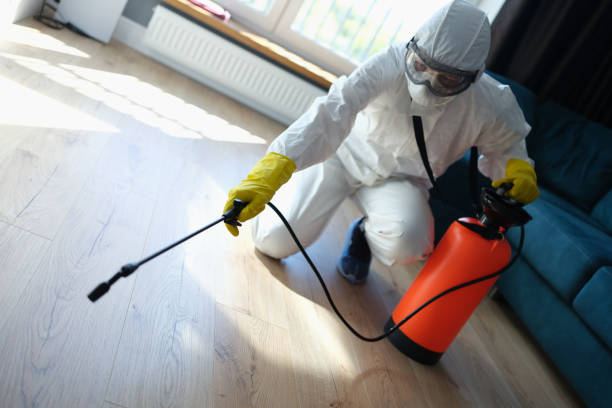
When it comes to maintaining a clean, safe, and healthy environment in your home or business, hiring a professional pest control service offers numerous advantages. Pests can cause significant damage to property and pose health risks to occupants. Below are some of the key benefits of enlisting the help of trained pest control experts.
Expertise and Knowledge
Professional pest control technicians are highly trained in identifying, targeting, and eliminating various pest species.
- Recognize early signs of infestations.
- Identify the specific types of pests invading your property.
- Tailor treatment methods for maximum effectiveness while minimizing impact on your space.
This level of knowledge ensures that pests are not just removed but are also less likely to return.
Long-Term Cost Savings
While DIY solutions may seem more affordable initially, they often fail to address the root cause of infestations.
- Preventing structural damage caused by pests like termites and rodents.
- Reducing expensive repairs associated with untreated infestations.
- Offering customized plans that address both current and future risks.
By investing in professional services upfront, you can avoid financially devastating consequences down the road.
Health Protection
- Employing eco-friendly products approved for residential or commercial use.
- Using techniques designed specifically to minimize human exposure.
- Eliminating allergens such as pest droppings or hair that can trigger respiratory issues.
By focusing on safety-first approaches, professionals help safeguard everyone in your home or workplace.
| Common Pest Risks | Diseases Spread | Property Damage Causes |
| Rodents | Hantavirus, Rat-bite fever | Chewing wires; gnawing at wood |
| Cockroaches | E.coli, Salmonella | Contaminating food sources |
| Termites | N/A | Weakening structural integrity |
Time Efficiency
One major advantage offered by hiring professionals is their ability to perform treatments swiftly without compromising effectiveness. Pests reproduce quickly; therefore timing is critical when addressing an infestation. A professional service can efficiently handle even severe cases using advanced equipment and proven strategies designed for rapid resolution.
Preventative Measures
- Sealing entry points such as cracks around doors/windows.
- Providing recommendations on proper waste management practices.
- Scheduling regular inspections tailored based on seasonal risks or location-specific concerns.
These actions ensure peace of mind knowing proactive steps have been taken toward maintaining a pest-free environment over time.
Environmentally Friendly Solutions
Modern pest control providers prioritize sustainability by utilizing environmentally conscious treatment solutions wherever possible—minimizing harm not only to humans but also pets and surrounding ecosystems alike while keeping pests under control effectively.
Hiring professional pest control services is an investment in your property’s safety as well as its occupants’ well-being—combining expertise-driven results with long-lasting preventative support tailored across unique needs whether residentially focused spaces businesses need safeguarding services are essential to keep environments optimal and healthy operational at all times .
Why Hiring an Exterminator Deltona FL is Essential for a Pest-Free Environment
Factories and industrial facilities are crucial to the economy, producing goods and materials that sustain everyday life. However, these spaces often attract pests due to the availability of food, water, and shelter. Implementing pest control services in a factory setting is not just an operational necessity but a critical component of maintaining safety, health standards, and productivity. Below are the top reasons factory pest control is indispensable.
Protect Your Home with a Trusted Deltona FL Pest Control Company
Pests in factories can pose serious risks to employee health and safety. Rodents, insects, and other pests can carry diseases that may spread to workers or contaminate products. Factory settings with food production are especially vulnerable.
- Rodents: Carry pathogens like Salmonella and Hantavirus.
- Cockroaches: Spread bacteria such as E. coli and allergens.
- Flies: Transmit harmful microbes from waste to surfaces or food.
- Trigger respiratory issues or allergies from pest droppings.
- Create hazardous working conditions if pests damage equipment or wiring.
Using professional pest control mitigates these risks by systematically eliminating infestations before they become a health hazard.
Effective Pest Removal Deltona, FL Services for Regulatory Compliance
Strict regulations govern hygiene and safety in factory environments.
- Examples of consequences: | Violation Type | Possible Outcome | |——————————–|———————————-| | Non-compliance with FDA rules | Product recalls/fines | | Breach of OSHA safety norms | Shutdowns/legal penalties |
Regular pest control services ensure compliance with local laws while safeguarding your facility’s reputation.
Protecting Equipment and Facilities
- Rodents chewing through electrical wiring may lead to fires or system failures.
- Termites compromising the structural integrity of wooden storage areas.
- Stored-product insects (e. g. , beetles) infesting grains or packaging materials.
Professional pest control identifies vulnerabilities within your facilities and applies safe methods to protect valuable assets.
Preserving Product Quality
In industries like food production or pharmaceuticals, maintaining product quality is paramount. Even minor contamination by pests can result in enormous financial losses due to recalls or destroyed inventory.
- Prevents contamination of raw materials during storage or processing.
- Reduces the risk of rejected shipments from quality-control issues.
A proactive approach eliminates pests before they compromise supply chains or customer satisfaction.
Enhancing Productivity
Pest infestations disrupt day-to-day operations through downtime caused by cleaning efforts, inspections, repairs, or equipment replacements.
- Employees lose focus when working in unsafe environments.
- Entire production lines may halt during infestation cleanups.
Engaging professional pest management ensures smooth operations while minimizing losses related to unexpected disruptions.
Cost Efficiency Over Time
- Reducing product waste caused by contamination.
- Avoiding expensive repairs for damaged infrastructure.
- Preventing fines for non-compliance breaches.
Investing in preventive measures today eliminates the need for costly reactive solutions tomorrow.
By prioritizing professional pest control services tailored to industrial needs, factories can maintain operational integrity while safeguarding their reputation among stakeholders. Adopting these measures fosters a healthier environment for both employees and products alike.
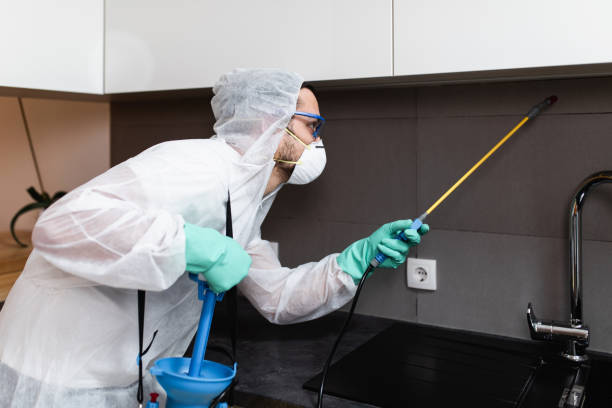
Understanding the Importance of Professional Pest Control Services in Protecting Your Property
Pests, whether rodents, insects, or other invaders, can cause significant harm to your property and compromise your health. While DIY pest control methods may seem like a cost-effective solution, they often provide only a temporary fix. Professional pest control services address infestations effectively and sustainably by using specialized tools, knowledge, and techniques. Here’s why investing in professional pest control is crucial for safeguarding your property.
Comprehensive Property Inspection
- Existing infestations
- Potential entry points
- Conditions conducive to future infestations
By targeting the root cause of the problem rather than just visible pests, professionals can craft a tailored treatment plan that ensures long-lasting results.
Prevention of Structural Damage
Certain pests can wreak havoc on the physical structure of your property.
| Pest Type | Typical Damage Caused | Areas Affected |
| Termites | Eat through wood | Foundations, walls, furniture |
| Rodents | Gnaw on wiring and insulation | Attics, basements, electrical systems |
| Carpenter Ants | Hollow out wooden structures | Beams, doors, window frames |
If left unchecked, these damages may lead to expensive repairs and even compromise the safety of your building. Professionals are equipped with high-quality products to eliminate such threats while minimizing harm to your property.
Health Protection for Occupants
Pests are not just an annoyance—they pose serious health risks.
- Reduction in allergens: Cockroaches and dust mites can exacerbate allergies and asthma symptoms.
- Disease prevention: Rodents are known carriers of diseases like Hantavirus and Salmonella.
- Minimized exposure to bites: Bed bugs or fleas can lead to skin irritation or infections.
Expert technicians use safe and environmentally friendly solutions designed to eliminate pests without endangering occupants’ well-being.
Tailored Pest Management Plans
Every property has unique needs when it comes to pest management.
- Professionals assess specific threats based on location and environmental factors.
- They create customized plans that ensure targeted treatment without overuse of chemicals.
- Follow-up services are often included to monitor progress and prevent recurrence.
This level of customization ensures both immediate relief from pests as well as long-term prevention strategies.
Cost Efficiency
- Prevention of costly structural repairs.
- Avoidance of recurring infestations requiring frequent treatments.
- Expert advice on maintaining pest-free conditions moving forward.
Peace of Mind
Having peace of mind about the condition of your property is invaluable. Professional services offer warranties or guarantees on their work so you can rest assured knowing that experts have handled any potential risks effectively.
Professional pest control services provide comprehensive solutions for protecting both residential and commercial properties from pests.
Key Benefits of Effective Pest Control Solutions for Residential and Commercial Spaces
Effective pest control solutions play a critical role in ensuring the safety, cleanliness, and well-being of both residential and commercial spaces. Pests can cause significant damage to properties, disrupt daily operations, and pose serious health risks. Implementing efficient pest control measures can address these concerns while also providing long-term benefits.
Protection from Property Damage
Pests such as termites, rodents, and carpenter ants can wreak havoc on structural elements like wood, insulation, and wiring. The damage caused by these pests can lead to costly repairs if left unchecked.
- Termite Control: Prevents wooden structures from being compromised.
- Rodent Prevention: Avoids gnawed electrical wires that may result in fire hazards.
- Inspection Services: Detects issues early before significant damage occurs.
Safeguarding Health and Hygiene
Many pests are carriers of harmful diseases or allergens that affect humans and pets.
- Cockroaches: Known to trigger asthma attacks and spread bacteria like E. coli.
- Mosquitoes: Transmit diseases such as malaria or West Nile virus.
- Rodents: Spread hantavirus through their droppings.
Improved Comfort for Occupants
- Causing noise (e. g. , rodents in attics).
- Leaving visible droppings or marks.
- Producing unpleasant odors (e. g. , decaying insects).
By eliminating infestations promptly, pest control solutions contribute to a cleaner and more comfortable space.
Long-Term Cost Savings
| Expense Without Pest Control | Cost-Saving Benefit with Pest Control |
| Structural Repairs | Preventative treatments reduce repair needs. |
| Medical Expenses | Eliminating disease-carrying pests safeguards health. |
| Lost Business Revenue | A clean environment prevents customer dissatisfaction. |
Enhanced Food Safety in Commercial Spaces
For businesses in the food industry (restaurants, warehouses, etc. ), effective pest management is crucial for preventing contamination of food products.
- Flies
- Pantry moths
- Rodents
With proper treatment strategies such as baiting systems or exclusion methods provided by professionals, your business can remain compliant with health regulations.
Eco-Friendly Solutions for Long-Term Impact
Modern pest control strategies often incorporate environmentally friendly methods that minimize harm to non-target species while achieving maximum efficiency.
- Use of Integrated Pest Management (IPM) techniques.
- Deployment of natural repellents instead of chemical pesticides.
These approaches ensure that the solutions are sustainable without compromising the well-being of inhabitants or the environment.
Conclusion Thoughts
Whether you’re a homeowner seeking peace of mind or a business owner maintaining operational standards, investing in effective pest control solutions is essential for protecting your space against potential harm caused by pests. From minimizing property damage to improving hygiene standards, professional intervention ensures long-lasting benefits tailored to each unique environment.
How Professional Pest Control Services Help Combat Common Household Pests Efficiently
Household pests can be more than just a nuisance—they pose significant risks to property, food safety, and personal health. Professional pest control services offer targeted solutions to prevent and eliminate these pests efficiently. Below, we discuss how hiring experts can help handle common household infestations effectively.
Identification of Pest Type and Source
Professional pest control technicians are trained to identify not only the type of pests present in your home but also the root causes of the infestation. This precise identification is essential for developing a tailored treatment plan.
- Rodents (mice, rats)
By understanding their behavior and nesting habits, professionals can implement more accurate solutions rather than relying on generic treatments.
Advanced Tools and Techniques
Professionals use advanced tools and industry-approved techniques that are typically not available to homeowners.
- Chemical Treatments: Eco-friendly pesticides that effectively target specific pests without harming pets or humans.
- Baiting Systems: For pests like ants or rodents, specially designed bait traps help eliminate infestations at their source.
- Heat Treatments: Effective against bed bugs by using high temperatures to kill eggs, larvae, and adults.
- Exclusion Methods: Sealing entry points such as cracks or gaps to prevent future infestations.
By combining modern technology with expertise, professional services achieve faster and more lasting results compared to DIY methods.
Safe Application of Treatments
One major advantage of professional pest control services is their commitment to safety. Misuse of chemicals or traps can lead to accidents or health hazards for residents.
- Assessing the specific needs of your home.
- Using regulated products that meet safety standards.
- Taking protective measures during treatment.
This minimizes risks while maximizing efficiency in removing pests.
Customized Integrated Pest Management (IPM) Plans
- Monitoring pest activity regularly.
- Identifying environmental factors contributing to infestations (e. g. , moisture buildup).
- Advising homeowners on maintaining cleanliness and hygiene practices.
This holistic approach targets the problem at its core while reducing reliance on chemical treatments.
| Common Pests | Key Risks | Professional Solution |
| Rodents | Contaminated food; property damage | Traps, bait stations, exclusion measures |
| Cockroaches | Spread diseases; allergies | Gel baits; residual insecticides |
| Termites | Structural damage | Termite barriers; soil treatments |
| Bed Bugs | Skin irritation; sleeplessness | Heat treatments; targeted sprays |
Prevention of Future Infestations
One critical aspect of professional pest control is preventing reinfestation after treatment is complete.
- Sealing potential entry points like cracks in walls or windows.
- Storing food securely in airtight containers.
- Regularly inspecting areas prone to infestations (attics, basements, kitchens).
Routine follow-up visits may also be arranged depending on the severity of past issues.
Hiring a professional pest control service ensures comprehensive protection against common household pests while safeguarding your family’s health and your property’s integrity. These experts provide customized strategies tailored specifically for your needs—something over-the-counter sprays or DIY traps cannot guarantee with comparable effectiveness over time.
The Role of Expert Pest Control in Preventing Infestations and Protecting Health
Pests pose serious threats to both property and health. From structural damage to the spread of harmful diseases, infestations can quickly escalate if left unaddressed. Professional pest control services play a critical role in preventing infestations and ensuring the well-being of individuals in residential and commercial spaces alike.
How Professional Pest Control Helps Prevent Infestations
Expert pest control services focus on proactive measures to stop infestations before they start.
- Thorough Inspections
Professionals conduct regular and thorough inspections to identify early signs of pest activity or potential vulnerabilities, such as cracks in walls, leaks, or food storage issues. - Integrated Pest Management (IPM)
This approach combines preventative measures, monitoring, and targeted treatments to address pests sustainably while minimizing environmental impact. - Sealing Entry Points
Specialists identify and seal gaps around windows, doors, pipes, or vents that pests can use as entry points into your property. - Application of Safe Treatments
Pest control experts use scientifically tested treatments tailored to specific pests while ensuring safety for humans and pets. - Sanitation Advice
Proper sanitation is integral to pest prevention. Experts often provide guidelines on waste disposal practices and maintaining clean surroundings to deter pests.
Health Risks Associated with Pests
| Pest Type | Potential Health Risks |
| Rodents | Spread diseases such as Hantavirus & Salmonella |
| Mosquitoes | Transmit malaria, dengue fever & West Nile virus |
| Cockroaches | Trigger asthma & allergies; spread E.coli & Salmonella |
| Termites | No direct health risks but cause structural damage |
Professional pest control helps mitigate these risks by eradicating infestations efficiently.
Protecting Property from Damage
- Termites:Responsible for billions in structural damage annually due to wood consumption.
- Rodents:Gnaw through insulation, wiring (causing fire hazards), and stored goods.
- Carpenter Ants:Compromise wooden structures by burrowing into them.
- Stored Product Pests:Contaminate food supplies in warehouses or pantries.
Professional pest control ensures timely intervention before damages become extensive and costly.
Why Professional Services Are Better Than DIY Approaches
While DIY solutions may seem cost-effective initially, they often fail to address the root cause of an infestation.
- Access to advanced tools and treatments unavailable over-the-counter.
- Expertise in identifying hidden infestations or problem areas.
- Compliance with local regulations regarding pesticide use.
- Long-term prevention strategies instead of temporary fixes.
Effective Strategies Used by Professional Pest Control Services to Eliminate Pests Safely
Professional pest control services rely on tested and proven strategies to ensure pests are eliminated efficiently and safely. By using a combination of advanced techniques, eco-friendly solutions, and expert knowledge, they address infestations while minimizing risks to human health, pets, and the environment. Below is an overview of some strategies employed by professionals.
Thorough Inspection and Assessment
Before initiating pest control measures, professionals conduct a detailed inspection of the affected property.
– Identifying the type of pest infestation (e. g. , rodents, termites, cockroaches).
– Assessing the severity and extent of the problem.
– Locating entry points, nesting locations, or breeding grounds.
After gathering data during the assessment phase, they design a customized treatment plan tailored to your specific needs.
Integrated Pest Management (IPM) Approach
This holistic approach focuses on long-term prevention while reducing reliance on harmful chemicals.
1.Cultural Controls:Adjusting maintenance practices like better waste management and improving sanitation to discourage pests.
2.Physical Controls:Employing traps or barriers to prevent entry or physically remove pests from areas.
3.Biological Controls:4.Chemical Controls:Using targeted pesticides only when necessary and applying them strategically for minimal environmental impact.
When chemical treatments are necessary, professionals prioritize safety by:
– Employing EPA-approved pesticides that are both effective and safe for use around humans and pets when applied correctly. – Following precise dosing instructions to avoid overuse or underuse. – Using equipment designed for targeted application such as sprayers with fine nozzles for controlled distribution.
Non-Toxic Alternatives for Sensitive Areas
For homes with children or pets—or businesses like restaurants where chemical exposure must be minimized—professionals often utilize non-toxic alternatives such as:
– Diatomaceous earth for insects like ants and bed bugs. – Essential oils (e. g. , peppermint oil) that naturally deter pests such as spiders and rodents. – Heat treatments for termite infestations without chemicals.
| Non-Toxic Pest Control Methods | Common Applications |
| Diatomaceous Earth | Ants, Bed Bugs |
| Heat Treatments | Termites |
| Essential Oils | Rodents, Spiders |
Monitoring Systems for Long-Term Prevention
After treating an infestation, monitoring plays a crucial role in preventing recurrence. Professionals often install tools like bait stations or electronic monitoring devices around key areas to detect any signs of returning pests early on.
Education and Prevention Tips for Clients
A final yet critical strategy is empowering property owners with knowledge about pest prevention techniques such as:
– Sealing cracks or gaps in walls, windows, doors, or foundations. – Storing food in airtight containers to prevent access. – Regular cleaning schedules to reduce attractants like crumbs or spills.
By combining these strategies into their workflow, professional pest control services ensure long-lasting results while adhering to safe practices that protect both individuals and their surroundings.
Effective Strategies Used by Professional Pest Control Services to Eliminate Pests Safely
Professional pest control services employ a combination of advanced techniques, scientific knowledge, and safety protocols to ensure effective pest elimination while minimizing risks to humans, pets, and the environment. Below are some key strategies used by pest control experts to address infestations safely and effectively.
Inspection and Assessment
The first step in any professional pest control process is a thorough inspection.
– The type of pests present(e. g. , rodents, termites, ants, cockroaches).
– The severity of the infestation.
– Entry points, such as cracks, gaps, or improperly sealed windows and doors.
– Environmental factors that may encourage infestation (such as standing water or food sources).
This step ensures that the treatment plan is tailored to the specific situation for maximum efficiency.
Targeted Treatment Plans
Unlike over-the-counter treatments that offer generic solutions, professional pest control services create customized treatment plans based on the findings from their inspection.
– The selection of appropriate pesticides or non-toxic alternatives.
– Proper application methods targeting specific areas without affecting non-target organisms.
– Scheduling follow-up treatments if necessary for long-term prevention.
This targeted approach ensures better results with minimal environmental impact.
Integrated Pest Management (IPM) Techniques
Professional services often follow Integrated Pest Management (IPM), an eco-friendly approach designed around prevention and minimal chemical use.
1. Cultural Control: Educating property owners on habits like proper waste management to reduce attractants for pests.
2. Biological Control: Using natural predators or biological agents where feasible (e. g. , introducing beneficial nematodes for termite control).
3. Mechanical Control: Employing physical barriers such as traps or screens to directly block pests.
4. Chemical Control: Using pesticides only when absolutely necessary in measured amounts.
Each component works cohesively to provide effective solutions while protecting health and ecosystems.
Use of Safe and Regulated Products
Professionals use pesticides that are approved by regulatory bodies like the Environmental Protection Agency (EPA). These products are applied with care to avoid harm to humans, pets, or beneficial insects like pollinators.
Some examples include:
| Type of Pesticide | Target Pest | Application Area | Safety Measures | |————————-|————–|—————————–|—————————–| | Baits | Cockroaches | Kitchens/Cracks | Kept out of kids’ reach | | Insect Growth Regulators (IGRs) | Fleas | Carpets/Furniture | Non-toxic formula | | Rodenticides | Rodents | Garages/Basements | Placed in tamper-proof boxes|
Technicians ensure these products are applied precisely where needed, reducing exposure risks.
Preventative Measures
A significant focus of professional pest control is preventing re-infestation through proactive measures such as: – Sealing cracks and gaps in walls or foundations. – Installing screens on windows and vents. – Advising on proper sanitation procedures around food storage areas. – Removing standing water sources that attract mosquitoes and other pests.
These measures save property owners time and money by reducing the likelihood of recurring issues.
Monitoring for Long-Term Success
Pest control professionals also emphasize ongoing monitoring after initial treatments have been conducted. This involves periodic inspections to check for signs of new activity and applying additional preventative measures when required.
By combining expertise with systematic strategies, professional pest controllers not only eliminate current infestations but also lay the groundwork for long-term protection against unwanted pests while maintaining safety standards across residential or commercial spaces.
- How to Properly Prepare Your Home for Effective Deltona Pest Control Treatment
- Understanding Deltona Pest Control and the Different Types of Pest Control Services
- Your Ultimate Guide to Choosing the Best Deltona FL Pest Control Company
- Essential Tips for Choosing the Right Deltona Pest Control Service
- Discover the Advantages of Choosing Deltona Pest Control for Your Home or Business
- How a Deltona FL Pest Control Company Can Help Eliminate Unwanted Pests
- Effective Deltona Pest Control Methods for a Pest-Free Home
- Effective Deltona Pest Control: How Mice Sneak Into Your Home and Ways to Stop Them
How a Deltona FL Pest Control Company Can Help Eliminate Unwanted Pests
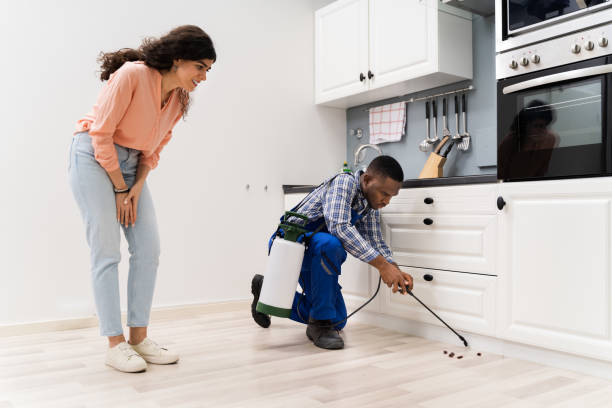
Pest control services are professional solutions designed to manage, reduce, or completely eliminate pests that invade homes, businesses, or outdoor spaces. These services help protect not only your property but also public health by addressing potential pest-related issues. Professionals in this field use a combination of science-backed methods and specialized tools to tackle infestations effectively.
How Pest Control Services Work
- A thorough assessment of the property is conducted to identify the type and extent of infestation.
- Professionals look for pest activity areas, entry points, and potential risk factors.
- Experts determine the species of pests present, enabling them to tailor specific treatments for effective eradication.
- Correct identification ensures that no non-target organisms are harmed during the process.
- Based on their findings, a customized treatment plan is devised that may include chemical treatments, traps, baits, or exclusion methods.
- Recommendations for preventative measures are also provided.
- The chosen pest control methods are applied systematically while ensuring minimal disruption to daily activities.
- Safety precautions are taken to protect humans, pets, and non-target wildlife.
- Follow-up inspections may be scheduled to evaluate treatment effectiveness.
- Ongoing monitoring helps prevent reinfestation by addressing new risks promptly.
Ways Pest Control Services Help Eliminate Unwanted Pests
- Health Protection: Pests like rodents, cockroaches, and mosquitoes can transmit diseases such as Hantavirus, Salmonella, or West Nile Virus. Professional pest control ensures these threats are mitigated effectively.
- Structural Integrity: Termites and carpenter ants can undermine the structural stability of buildings by damaging wood elements over time. Timely interventions prevent costly repairs.
- Food Safety: For businesses in the food industry or homes with pantries at risk of contamination from pests like moths or beetles.
- Environmental Safety: Modern pest control companies often employ eco-friendly solutions to limit harm caused by harsh chemicals while still maintaining efficacy.
| Service Type | Common Pests Targeted | Primary Methods Used |
| Residential Pest Control | Ants, spiders, bed bugs | Chemical sprays & traps |
| Commercial Pest Control | Rodents & cockroaches | Integrated Pest Management (IPM), baits |
| Termite Extermination | Subterranean termites | Soil barriers & baiting systems |
Why Professional Expertise Matters
- Certified technicians possess advanced knowledge about pest behavior and biology.
- Specialized equipment ensures efficient application of treatments not accessible to general consumers.
- Legal compliance with pesticide usage guidelines protects both residents and the environment from overexposure risks.
In short words understanding steps early intervention aids better outcome
Top Reasons to Choose Deltona Pest Control Services for Your Home or Business
Expertise and Knowledge in Pest Removal Deltona, FL
Professional pest control technicians possess specialized knowledge about pests, their behaviors, and effective treatment methods. This expertise ensures:
– Accurate identification of the pest species causing the problem.
– Selection of appropriate treatment plans tailored to specific pests and infestation levels.
– Awareness of seasonal trends and how they influence pest activity.
| Pest Type | Common Hiding Areas | Preferred Treatment Methods |
| Termites | Wooden structures, walls | Bait stations, liquid termiticides |
| Cockroaches | Kitchens, bathrooms | Gel baits, residual insecticides |
| Rodents | Attics, basements | Traps, rodenticides |
Prevention of Health Risks
Pests can carry diseases that pose serious health risks to humans and pets. Some examples include:
– Rodents spreading hantavirus or salmonella through droppings or contaminated surfaces.
– Cockroaches causing allergies or asthma in sensitive individuals.
– Mosquitoes transmitting illnesses like West Nile virus or malaria.
Professional pest control services combat these risks by targeting pests at their source and implementing long-term preventative measures.
Long-Term Cost Savings
While hiring a professional service may seem like an upfront expense, it often proves cost-effective in the long run due to:
– Preventing structural damage caused by termites, rodents, or carpenter ants.
– Reducing potential medical expenses related to pest-induced illnesses or allergies. – Avoiding frequent treatment costs associated with ineffective DIY methods.
Efficient and Targeted Treatments
DIY solutions are often trial-and-error processes that may only address surface-level problems without tackling root causes. Professionals ensure:
– A thorough inspection of your property to locate nests and breeding grounds. – Use of industry-approved products that effectively eliminate pests while minimizing harm to non-target species. – Integrated Pest Management (IPM) strategies that combine prevention, monitoring, and control techniques for sustainable results.
Time-Saving Convenience
Managing a pest problem on your own can take time away from other important responsibilities. Hiring professionals ensures that:
– Treatments are carried out efficiently without disrupting your daily routine. – Follow-up inspections and maintenance plans are handled by experienced teams.
Compliance with Regulations (Commercial Properties)
For businesses operating in industries like food service or hospitality, maintaining compliance with health codes is essential. Professional services help ensure:
– Proper documentation of pest control efforts for regulatory inspections. – Adherence to local laws governing pesticide use and safety protocols.
By addressing these common concerns effectively, hiring professional pest control services becomes an invaluable investment in maintaining a healthy home or business environment free from unwanted intruders.
Common Reasons to Hire Professional Pest Control Services for Your Home or Business
Pest infestations can cause significant disruptions, whether in a residential or commercial setting. Hiring professional pest control services is often the most effective and reliable way to address such issues. Below are some common reasons why individuals and businesses choose to engage pest control professionals.
Expertise in Identifying and Managing Pests
Professional pest control companies have trained technicians who are skilled in identifying various pests and their nesting habits. They understand the biology, behavior, and life cycles of pests, which allows them to implement targeted treatments. Common situations where their expertise proves invaluable include:
– Difficulty identifying the type of pest infesting your property.
– Recurring infestations despite multiple DIY attempts.
– Large-scale infestations that require immediate and thorough action.
Customized Treatment Plans
Every pest problem is unique, requiring a tailored approach rather than a one-size-fits-all solution. Pest control professionals assess the severity of an infestation, its root causes, and the specific needs of your home or business before creating customized treatment plans. These plans:
– Address current infestations while preventing future ones. – Minimize harm to non-target species like pets or beneficial insects. – Align with safety standards set for residential and commercial properties.
Access to Advanced Tools and Techniques
DIY methods often rely on over-the-counter sprays or traps that may only provide temporary relief. Professionals utilize advanced equipment, specialized chemicals, and innovative approaches such as integrated pest management (IPM) strategies. These tools ensure more effective eradication while reducing unnecessary pesticide use.
Some advanced techniques include:
| Technique | Purpose | |——————————-|—————————————————| | Heat treatments | Eliminating bed bugs without chemical exposure | | Baiting systems | Targeting ants or termites at their source | | Biological controls | Introducing natural predators against pests |
Health and Safety Benefits
Pests can pose serious health risks due to allergies, bites, or contamination of food supplies. Improper handling of pesticides during DIY treatments can also endanger human health. Professional services ensure safe application methods that comply with industry regulations while reducing risks associated with: – Exposure to harsh chemicals. – Worsening allergen levels caused by pests like cockroaches or rodents. – Secondary infections from untreated bites or scratches.
Time-Saving Solution
Addressing an infestation through trial-and-error methods can lead to wasted time without guaranteed results. Professional pest controllers work efficiently by quickly diagnosing problems and applying effective solutions at the first attempt.
Time saved includes: – Faster resolution of infestations compared to DIY approaches. – Avoidance of long-term damage caused by delays in treatment (e.g., structural damage from termites).
Cost Efficiency Over Time
While hiring professionals may seem costly upfront, it often saves money in the long term due to their ability to prevent recurring problems and property damage caused by pests like termites or rodents.
For example: | DIY Cost Factors | Potential Professional Advantages | |———————————|———————————————–| | Repeated purchase of sprays/traps | One-time comprehensive treatment | | Repairs from untreated damage | Preventative measures included |
By weighing these factors carefully, it becomes clear why so many homeowners and businesses opt for professional assistance when dealing with invasive pests.
Benefits of Hiring Professional Pest Control Services Over DIY Methods
When dealing with pest infestations, many homeowners and business owners face the dilemma of choosing between professional pest control services and do-it-yourself (DIY) methods. While DIY approaches may seem cost-effective at first, professional pest control services offer a wide range of advantages that make them a more reliable option for long-term pest management.
Expertise and Knowledge
- Pests are accurately identified, which is crucial for selecting the most effective treatment.
- Customized plans are developed based on the severity of the infestation and environmental factors.
- Preventative measures are implemented to reduce the risk of future infestations.
In contrast, DIY methods often rely on general-purpose products without addressing the root cause of the problem.
Safety Considerations
- The use of regulated and safe chemicals in appropriate concentrations.
- Proper application techniques to minimize exposure to humans, pets, and non-target species.
- Knowledge about chemical alternatives or eco-friendly solutions for environmentally conscious customers.
DIY methods can inadvertently lead to overuse or misuse of chemicals, increasing health risks.
Cost Efficiency Over Time
| Factor | DIY Methods | Professional Services |
| Initial Cost | Low (off-the-shelf products) | Moderate |
| Effectiveness | Limited/temporary | High/long-term |
| Risk of Recurrence | High | Low |
| Additional Expenses | Repeated purchases for reapplication | One-time comprehensive treatment |
DIY methods may require repeated attempts if treatments fail or pests return. Professionals provide lasting solutions that minimize recurring costs.
Advanced Tools and Techniques
- Integrated Pest Management (IPM): A holistic approach combining multiple strategies like biological controls, habitat modification, and targeted pesticide use.
- Specialized equipment such as bait stations, traps, thermal imaging tools for termite detection, or fumigation chambers for large-scale infestations.
These advanced tools enhance accuracy while reducing environmental impact.
Time-Saving Solution
Addressing a pest problem through DIY efforts can be time-consuming due to trial-and-error methods. Professionals streamline this process by quickly diagnosing issues and implementing effective treatments. This saves valuable time for homeowners or businesses who would otherwise need to dedicate hours researching or applying various products.
Guaranteed Results
Most pest control companies provide warranties or guarantees with their services. This ensures peace of mind as you can rely on follow-up visits if pests persist after initial treatment. On the other hand, DIY solutions rarely come with such assurances.
Hiring professional pest control services offers clear benefits over attempting DIY methods. From expertise and safety considerations to cost efficiency and guaranteed effectiveness, professionals deliver comprehensive solutions that protect your property while addressing your unique needs in pest management.
Effective Pest Management with a Trusted Exterminator Deltona FL
In recent years, pest control treatments have undergone significant advancements, driven by developments in science, technology, and environmental concerns. These innovations are transforming how pest management is approached, ensuring safer, more effective solutions for both residential and commercial settings. Understanding these advances can help property owners make informed decisions about pest control services.
Modern Pest Control Techniques
- Integrated Pest Management (IPM):
IPM is a holistic approach that combines multiple strategies to manage pests effectively while minimizing harm to the environment. It emphasizes: - Prevention: Identifying vulnerabilities in structures to prevent infestations before they occur.
- Monitoring: Regular inspections to detect early signs of pests.
- Targeted Control: Using targeted treatments only when necessary to reduce pest populations.
- Biological Control Methods:
Biological control involves using natural predators or parasites to manage pest populations. For example: - Ladybugs are introduced to reduce aphid populations in agricultural settings.
- Beneficial nematodes target soil-dwelling pests like grubs while leaving beneficial organisms unharmed.
- Advanced Chemical Formulations:
Modern pesticides are designed with precision-targeting attributes: - Reduced toxicity for non-target organisms such as pets and humans.
- Slow-release formulations that provide long-lasting protection with minimal applications.
- Electronic and Ultrasonic Devices:
These devices emit electromagnetic waves or ultrasonic frequencies designed to deter pests without chemicals or traps. While their effectiveness varies depending on the species, they serve as a supplementary option for certain scenarios. - Heat Treatments:
Particularly effective against bed bugs, heat treatments involve raising indoor temperatures to levels lethal for the pests but safe for humans and pets.
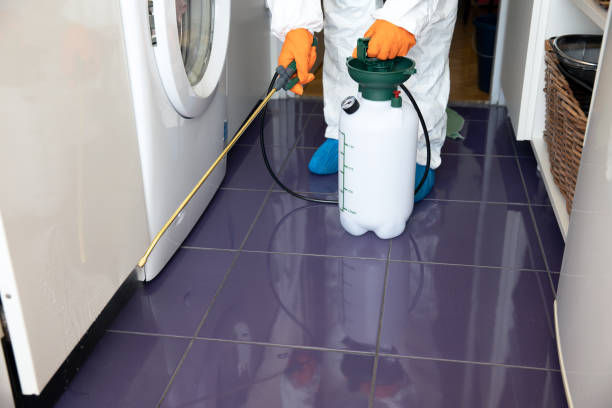
The Benefits of Technological Advancements in Pest Treatments
- Improved Efficacy: Advanced methods offer higher success rates in managing difficult-to-control pests like termites, bed bugs, and rodents.
- Eco-Friendly Options: Many innovations reduce reliance on chemical solutions harmful to non-target species or ecosystems.
- Cost Efficiency Over Time: Long-lasting treatments reduce the need for frequent reapplications, offering better value.
- Target-Specific Interventions: Precision technologies ensure that beneficial insects and wildlife are preserved while eliminating targeted pest populations.
Comparing Traditional vs Advanced Pest Control Methods
| Feature | Traditional Methods | Advanced Methods |
| Environmental Impact | Higher due to heavy chemical use | Reduced with eco-friendly alternatives |
| Long-Term Effectiveness | Often requires repeated applications | Longer-lasting through targeted solutions |
| Safety | Potential non-target risks | Safer with low-toxicity options |
| Cost | Lower upfront costs | Higher upfront investment; cost-saving later |
Challenges of Implementing New Treatments
- Cost barriers may deter some individuals from adopting newer technologies.
- Not all advanced methods are universally effective; some require tailored implementation based on regional or specific infestation challenges.
- Education about these methods is critical—property owners must understand their value over traditional approaches.
Pest control services continue evolving toward safer, smarter approaches aimed at sustainable management practices. By leveraging cutting-edge tools and techniques, professionals can meet growing demands for effective solutions that prioritize health and environmental integrity alike.
Key Environmental Considerations When Choosing Pest Control Services
When selecting a pest control service, environmental considerations should play an integral role in the decision-making process. By prioritizing eco-friendly practices, you can ensure that pest management solutions are effective while minimizing their impact on the environment, your home, and your health.
1. Use of Eco-Friendly Products and Methods
One of the primary concerns when choosing a pest control service is the type of products and techniques they use. Many traditional pesticides contain harsh chemicals that can harm non-target species, contaminate soil and water, and pose health risks to humans and pets. Look for companies that:
– Use organic or biodegradable pesticides.
– Implement Integrated Pest Management (IPM) strategies that focus on prevention rather than relying solely on chemical treatments.
– Utilize mechanical or biological controls like traps or natural predators to manage pests.
| Chemical-Based Pesticides | Eco-Friendly Alternatives |
| Synthetic insecticides | Organic compounds |
| Broad-spectrum poisons | Targeted baits |
| Long-residual sprays | Biodegradable sprays |
2. Impact on Non-Target Species
A responsible pest control company takes steps to minimize harm to beneficial organisms such as bees, butterflies, birds, and other wildlife. Broad-spectrum pesticides can inadvertently kill these vital species, disrupting ecosystems. Ensure the service provider employs:
– Targeted treatments specific to the pest species in question.
– Techniques that avoid blanket spraying across large areas unnecessarily.
3. Safe Disposal Practices
Improper disposal of chemical residues can lead to pollution of local water sources and soil contamination. Before hiring a pest control company, ask about their waste management protocols:
– Do they safely dispose of unused chemicals?
– How do they handle pesticide containers?
A conscientious approach to waste management not only protects the environment but also demonstrates accountability on behalf of the company.
4. Certifications and Compliance with Environmental Standards
Reputable pest control companies adhere to regional environmental regulations and hold certifications that showcase their commitment to sustainability. Some key things to look for include:
– GreenPro Certification or similar eco-friendly credentials within your area or country.
– Compliance with EPA (Environmental Protection Agency) standards for pesticide usage if you’re in the U.S., or equivalent regulatory bodies elsewhere.
5. Focus on Prevention Over Treatment
Preventing infestations is often more sustainable than treating them after they occur because it reduces reliance on chemical-based treatments altogether. A good pest control company will offer:
– Recommendations for sealing entry points like cracks and crevices in walls or windows. – Advice on proper waste disposal habits to deter pests such as rodents or ants. – Tips for maintaining landscaping in ways that prevent harborage zones for pests like termites or mosquitoes.
Why Environmentally Responsible Pest Control Matters
Choosing a service provider committed to environmentally friendly practices ensures pest problems are addressed without compromising public health or ecological balance. By proactively evaluating these factors when hiring a professional company, you can strike a balance between effective pest management and environmental responsibility—protecting both your property and planet alike.
Questions You Should Ask Before Hiring a Professional Pest Control Company
When hiring a professional pest control company, it’s essential to ensure that you’re entrusting the job to the right provider. Asking the right questions can help you gauge their expertise, qualifications, and the quality of service they offer. Below are some critical questions to ask before making your decision.
1. What Are Your Certifications and Licenses?
Professional pest control companies should hold proper certifications and licenses required by local or state regulatory authorities. This ensures that they meet industry standards and adhere to safety protocols.
- Are your technicians licensed and certified?
- Do you stay up-to-date with ongoing training or certifications?
Licensing also reflects competence, especially when dealing with hazardous chemicals or advanced pest control methods.
2. What Pest Control Methods Do You Use?
- Do you use eco-friendly or non-toxic products?
- How do you minimize risks for children, pets, or plants?
- Can you provide an Integrated Pest Management (IPM) approach?
Many modern companies prioritize environmentally friendly solutions that reduce chemical reliance while maintaining effectiveness.
3. How Long Have You Been in Business?
Experience often correlates with reliability and expertise in diagnosing and resolving pest issues. Companies with a proven track record are better equipped to handle unique challenges.
- How many years have you been serving clients?
- Do you specialize in residential, commercial, or both types of services?
Experienced professionals are more likely to identify problems accurately and apply appropriate treatments.
4. What Types of Pests Can You Handle?
- Do you specialize in specific pests like termites, bedbugs, rodents, or ants?
- Have you handled infestations similar to mine before?
Hiring a provider well-equipped for your specific problem increases the likelihood of successful treatment.
5. What Is Included in Your Service Package?
| Service Type | Included in Package | Additional Cost |
| Initial inspection | Yes/No | $XX |
| Follow-up visits | Yes/No | $XX |
| Preventive treatments | Yes/No | $XX |
This transparency helps avoid unexpected charges later on.
6. Do You Provide Guarantees or Warranties?
- What is your policy if pests return after treatment?
- How long does your treatment guarantee last?
A solid warranty demonstrates confidence in their methods while giving homeowners peace of mind.
7. Can You Provide References or Reviews?
- Can I see testimonials from satisfied customers?
- Are there online reviews I can check (Google Reviews, Yelp)?
Positive feedback often reflects consistent results and trustworthy service delivery.
Final Thoughts
By asking these questions during your search for a professional pest control provider, you can make an informed decision tailored to your specific needs. This proactive approach not only ensures effective results but also enhances overall satisfaction with the services rendered.
- How to Properly Prepare Your Home for Effective Deltona Pest Control Treatment
- Understanding Deltona Pest Control and the Different Types of Pest Control Services
- Your Ultimate Guide to Choosing the Best Deltona FL Pest Control Company
- Essential Tips for Choosing the Right Deltona Pest Control Service
- Discover the Advantages of Choosing Deltona Pest Control for Your Home or Business
- How a Deltona FL Pest Control Company Can Help Eliminate Unwanted Pests
- Effective Deltona Pest Control Methods for a Pest-Free Home
- Effective Deltona Pest Control: How Mice Sneak Into Your Home and Ways to Stop Them